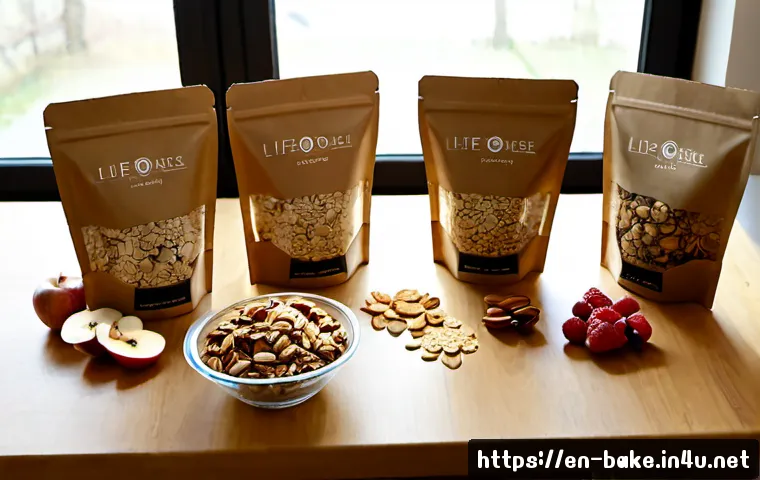
The best packaged snack brand is the one that fits the snack’s job, your label priorities, and its price per serving. A “healthy” claim on the front does not replace checking serving size, added sugar, protein, fiber, sodium, ingredients, and allergens.

For a desk drawer, portability and low mess may matter most. For lunchboxes, allergen screening and portions may be the deciding factors. For active days, some shoppers may prioritize a balance of carbohydrates and protein that suits their own tolerance.
Comparing current labels through grocery delivery listings, retailer pages, or in-store packaging can make a regular snack purchase easier to judge.
At a Glance
- Start with the snack’s purpose: hunger control, convenience, energy, or an occasional treat.
- Compare the current label: serving size, added sugars, protein, fiber, sodium, ingredients, and allergens all matter.
- Use price per serving: the package price alone does not show whether a multipack is the better value.
| Snack Format | Main Comparison Priority | Convenience Consideration | Value Check |
|---|---|---|---|
| Bars | Serving size, added sugars, protein, fiber | Usually easy to carry for work or travel | Compare the number of bars and servings in each box |
| Crackers | Sodium, ingredient order, allergens | Can work for home, lunchboxes, or portioned snacks | Check serving size rather than comparing box prices |
| Trail Mixes | Portion size, added sugars, allergens | Portable, but package and serving formats can vary | Compare single-serve packs with larger bags by serving |
| Popcorn | Serving size, sodium, oils, flavorings | Useful for shelf-stable pantry storage | Review how many servings are in one bag |
| Fruit Snacks | Added sugars, serving size, ingredient list | Compact for travel or lunchboxes | Check whether the package contains one or multiple servings |
| Protein Snacks | Protein, added sugars, ingredients, dietary compatibility | May suit shoppers seeking a more filling option | Compare protein and price per serving, not the package claim alone |
What Makes a Packaged Snack a Better Choice?
A better packaged snack is not a single category or brand. It is a product that matches your daily situation while fitting the nutrition details, ingredient preferences, allergy needs, and spending limit that matter to you. One shopper may want a shelf-stable snack for a long commute. Another may be looking for a lunchbox option with a clearly reviewed allergen statement. The right choice changes with the job the snack needs to do.
Start With the Snack’s Job: Hunger Control, Convenience, Energy, or a Treat
Before comparing brands, decide why you are buying the snack. If you need something for a desk drawer, a compact and low-mess package may be more useful than a snack that requires a bowl or refrigeration. If you are preparing family pantry options, portion format and allergen review may deserve more attention. If the snack is simply for enjoyment, you can still compare the label without expecting every item to meet the same standard as a meal replacement.
A clear purpose prevents random comparisons. For example, a shopper looking for convenience may reasonably choose a single-serve product, while someone stocking a pantry may prefer a larger package after calculating the price per serving. Neither choice is automatically better without context.
Use the Label, Not Front-of-Pack Wording, as the Main Comparison Tool
Words such as organic, gluten-free, high protein, and no added sugar describe specific product attributes. They do not automatically mean a snack is suitable for every nutrition goal. A high-protein snack may not be the best match for someone mainly focused on sodium, ingredient preferences, portion size, or cost. Likewise, an organic claim does not answer every question about added sugars or allergens.
The Nutrition Facts label and ingredient list give you a more direct basis for comparing options. Packaged foods sold in the United States generally include both. Use the front of the package as a starting point, then confirm the details on the back or in the retailer’s current product listing.
Three Quick Checks: Serving Size, Added Sugar, and Ingredient Order
First, look at serving size. A package may contain more than one serving, which can change how you interpret the calories, macronutrients, sodium, and added sugars shown on the label. Second, compare added sugars if reducing them is one of your goals. Third, scan the first few ingredients. Ingredients are typically listed in descending order by weight, so the beginning of the list can help you understand the product’s general makeup.
This does not mean every ingredient later in the list is unimportant. It simply gives you a quick and consistent way to compare similar snack products before taking a closer look at the full label.
Compare Snack Types by Nutrition, Convenience, and Value
Snack formats can look similar on a store shelf but serve different needs. Bars, crackers, trail mixes, popcorn, fruit snacks, and protein-focused snacks may all be portable, yet their serving formats, ingredient lists, and label priorities can differ substantially. A useful comparison keeps the same decision points in view rather than relying on packaging colors or broad wellness language.
Bars, Crackers, Trail Mixes, Popcorn, Fruit Snacks, and Protein Snacks
Bars are often convenient for commuting, travel, and busy workdays, but it is still important to compare the serving size and label details between options. Crackers can be easy to portion at home or include in lunches, where sodium, ingredients, and allergens may be key checks. Trail mixes can be practical for portability, but portion size and allergen considerations deserve attention.
Popcorn is often sold in different bag sizes and flavor styles, so serving count, sodium, oils, and flavorings are worth reviewing. Fruit snacks may be compact, but their added sugars and serving sizes should be compared directly. Protein snacks may attract shoppers seeking more protein, but the full label still matters, especially when comparing added sugars, ingredient preferences, and price per serving.
A Practical Comparison: Protein, Fiber, Sodium, Allergens, and Portability
There is no universal ranking for these categories. Instead, build a small comparison list based on your priorities:
- Protein: Useful to compare when you want a snack that fits your personal approach to fullness or active-day eating.
- Fiber: Compare it alongside serving size and the rest of the Nutrition Facts label rather than treating it as a stand-alone score.
- Sodium: Review it when lower sodium is a personal priority or part of a dietary plan.
- Allergens: Read “contains” declarations and allergen statements, but review the entire current label every time if allergies are involved.
- Portability: Consider whether the package works in a backpack, desk drawer, car, or lunchbox without creating a mess.
For shoppers using healthy grocery delivery or a nutrition-focused snack subscription, the same framework applies. Product filters can help narrow choices, but the current product page should still be checked for serving count, ingredients, and nutrition information before ordering.
Why Price Per Serving Is More Useful Than the Shelf Price
A lower shelf price does not always mean a lower everyday cost. Package sizes can differ substantially, and one package may contain a different number of servings than another. Compare the package price only after identifying the number of servings it contains. This is especially useful when deciding between a single-serve box, a larger multipack, a subscription option, or grocery delivery listings.
Price per serving creates a fairer comparison. It also helps you decide whether extra convenience is worth the cost. A single-serve package may cost more per serving than a larger package, but it may offer practical value for commuting, travel, or portion planning. The better value is the option that you will actually use appropriately and consistently.
Read Ingredients and Nutrition Labels Without Common Mistakes
Label reading does not have to be complicated. A short routine can make comparisons faster and reduce the chance of choosing a product based on one attractive claim. Focus on the information that connects directly to your goal, then check the full package for details that could change the decision.
How to Interpret the First Few Ingredients
Because ingredients are typically listed in descending order by weight, the first few items can provide a useful overview. You may see ingredients such as grains, nuts, seeds, fruit ingredients, oils, sweeteners, binders, flavorings, or preservatives depending on the snack format. Shelf-stable snacks may use these ingredients for texture, taste, and storage stability.
Rather than treating any one ingredient as automatically good or bad, ask whether the ingredient list fits your preferences. A shopper avoiding a particular allergen needs a different review process from a shopper whose main goal is comparing added sugars or finding a portable snack.
When “Natural,” “Organic,” or “High Protein” Claims Need a Closer Look
Front-of-pack claims can be useful signals, but they are not complete comparison tools. Natural language does not replace the ingredient list. Organic describes a specific attribute and does not automatically make the product right for every eating pattern. High protein may be relevant if protein is your priority, but it does not answer questions about fiber, sodium, added sugars, allergens, or price.
A practical approach is to choose the claim that matters to you, then verify the rest of the label. This keeps marketing language in its proper place: helpful for narrowing the aisle, but not enough for making the final choice.
Watch for Multiple Servings per Package and Hidden Comparison Traps
One common mistake is reading a label as though the entire package equals one serving. Check the serving size and servings per container first. Another mistake is comparing a large bag with a small box based only on the displayed price. A third is comparing protein or fiber numbers without noticing that the serving sizes differ.
Also remember that formulas and package sizes can change. A snack you purchased before may not have the same ingredient list or Nutrition Facts panel today. When buying a familiar brand through a retailer price comparison page, subscription service, or grocery delivery app, review the current listing and package details rather than assuming they are unchanged.
Choose the Right Option for Different Daily Situations
The most useful snack is often the one that fits the moment. A snack chosen for a quiet afternoon at home may not work well in a crowded commuter bag, a school lunch, or an active day outdoors. Match the format to the setting, then use the label to decide between similar options.
Work and Commuting: Low-Mess, Shelf-Stable Choices

For work and commuting, focus on packages that are easy to carry and store. Shelf-stable options can be convenient for a desk, bag, or vehicle. Consider whether the snack is likely to crumble, melt, require utensils, or create a strong odor in a shared space. Then compare serving size, added sugars, protein, fiber, and sodium according to your own priorities.
If you are choosing a recurring office snack, a multipack may be convenient, but compare its price per serving with smaller packages. Convenience has value, yet it should be a deliberate choice rather than an accidental premium.
Lunchboxes and Family Pantries: Allergen and Portion Considerations
For lunchboxes and family pantry shelves, read allergen information carefully. “Contains” declarations and allergen statements can help with screening, but people with allergies should review the complete label every time. Do not rely on memory, package color, or a previous version of the product.
Portion format can matter as well. Individually packaged snacks may be practical for packing and sharing, while larger packages may suit home use when portions can be managed intentionally. The best option depends on the household’s routine, dietary needs, and budget—not on a universal “healthy snack” label.
Exercise and Active Days: Balancing Carbohydrates, Protein, and Personal Tolerance
For exercise or active days, shoppers may compare carbohydrates and protein as part of their personal routine. Some people prefer a snack that is easy to carry before or after activity, while others may prioritize how a product fits their own tolerance and meal schedule. The Nutrition Facts panel provides the information needed for a side-by-side comparison.
A packaged snack is not automatically appropriate for a specific medical condition, food allergy, or prescribed dietary plan. If you have medical dietary requirements, use the product’s current full label and follow guidance from an appropriate qualified professional.
When Paying More May—or May Not—Be Worth It
A higher-priced snack can be worth considering when it solves a real problem: a dietary requirement, a preferred portion format, a shelf-stable travel need, or an ingredient preference you value. It may not be worth the extra cost when the premium is based only on a broad claim that does not support your actual goal.
Paying for Dietary Requirements, Portion Control, and Ingredient Preferences
Some shoppers are willing to pay more for products that fit a particular dietary preference or make routine shopping easier. Others value single-serve packaging because it simplifies lunch packing or prevents an open bag from sitting in the pantry. These can be reasonable priorities, but they should be weighed against price per serving and the full product label.
Pay for a feature you will use. If an ingredient preference, allergen need, or package format is essential for your household, it may justify a higher cost. If it is not relevant, a less expensive product with a comparable label may be the more practical option.
Comparing Single-Serve Packs, Multipacks, Subscriptions, and Grocery Delivery
Single-serve packs can offer portability and straightforward portion handling. Multipacks can be useful for repeat purchases, but compare their serving count before deciding they are a better deal. Nutrition-focused snack subscriptions and healthy grocery delivery services can reduce shopping time, especially for busy households, yet product details and availability can change.
When comparing retailers, look for the current ingredient list, Nutrition Facts label, package size, and number of servings. Then calculate or compare the cost at the serving level. This approach is more reliable than choosing based on a large package photo or a shelf-price comparison alone.
Avoid Paying a Premium for Claims That Do Not Support Your Actual Goal
If your main goal is lower added sugar, a protein claim alone does not settle the comparison. If you need to screen for allergens, an organic claim does not replace a full label review. If you want lower cost, a premium package design does not tell you the price per serving. Keep the decision tied to your real priority.
This is where retailer price comparison tools can be useful: use them to identify options, then verify the labels. A quick comparison of two or three products is often more useful than searching for one brand that is supposedly best for everyone.
Selection Criteria and Comparison Summary
Before adding a snack to your regular grocery list, use this five-point check: identify the snack’s job, confirm serving size, compare added sugars and the nutrients you prioritize, review ingredients and allergens, and calculate price per serving. If portability, portion format, or dietary compatibility matters, include that in the final decision. Compare current ingredient lists and price per serving before choosing a multipack, subscription, or grocery delivery order. For official product details, review the package label or the retailer’s current product page.
Match Your Priority: Lower Added Sugar, More Protein, More Fiber, or Lower Cost
Choose one or two lead priorities rather than trying to find a product that appears perfect in every category. A lower-added-sugar shopper may begin with that line on the Nutrition Facts label. Someone seeking more protein may compare protein per serving while still checking the rest of the panel. A budget-focused buyer may begin with price per serving, then screen for ingredients and allergens.
Recheck Labels When Brands Change Recipes or Package Sizes
Regular purchases still deserve occasional label checks. Brands can change ingredients, serving sizes, package counts, and product availability. Rechecking protects you from relying on outdated assumptions, particularly when allergies, dietary restrictions, or a tightly planned grocery budget are involved.
Closing Thoughts
Choosing better packaged snacks is less about finding one perfect brand and more about using a repeatable comparison method. Start with the snack’s purpose, then read the Nutrition Facts label and ingredient list. Use price per serving to compare packages fairly. With a few consistent checks, grocery shopping can become more practical and less influenced by broad front-of-pack claims.
Useful Information to Keep in Mind
1. Ingredients are typically listed in descending order by weight.
2. Nutrition Facts labels show serving size, calories, macronutrients, and listed nutrients such as added sugars and sodium.
3. Allergen statements can help screen products, but the full current label remains important for people with allergies.
4. Shelf-stable snacks may include oils, sweeteners, binders, flavorings, or preservatives for taste, texture, and storage stability.
Important Notes
No snack brand can be labeled the healthiest choice for everyone without considering individual goals, portion habits, allergies, and dietary needs. Retail prices, package sizes, formulas, and availability can change. This information is intended for general label comparison and does not determine whether a product is appropriate for a medical condition, food allergy, or prescribed dietary plan.
Frequently Asked Questions
Q1. Which packaged snacks are best for low added sugar diets?
A1. Start by comparing the added sugars line on current Nutrition Facts labels among snack options that fit your needs. Also check serving size, ingredients, allergens, and price per serving. A product marketed as healthy or natural is not automatically the best match for a lower-added-sugar priority.
Q2. Is it worth paying more for protein or organic snack brands?
A2. It may be worth paying more if protein content or organic sourcing is a feature that supports your actual shopping goal. Those claims do not automatically answer questions about added sugars, sodium, allergens, portion size, or value. Compare the full label and cost per serving before deciding.
Q3. How can I compare healthy snack prices fairly across different package sizes?
A3. Check the number of servings in each package, then compare the cost per serving rather than the package price alone. This makes it easier to compare single-serve packs, larger bags, multipacks, grocery delivery listings, and snack subscription options fairly.