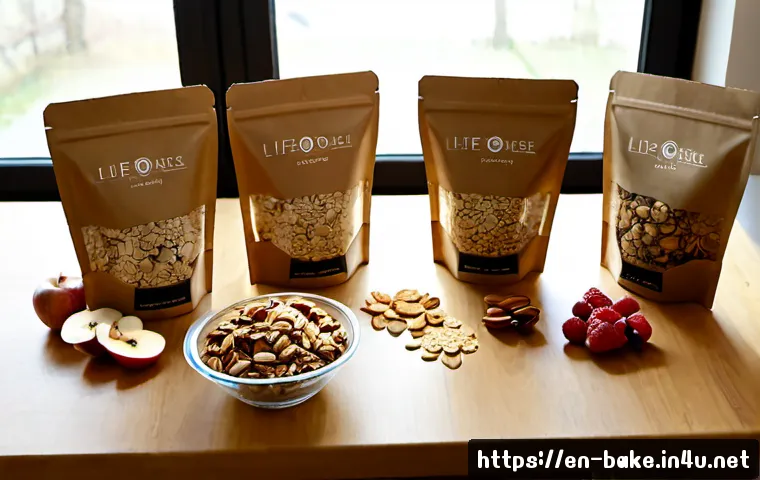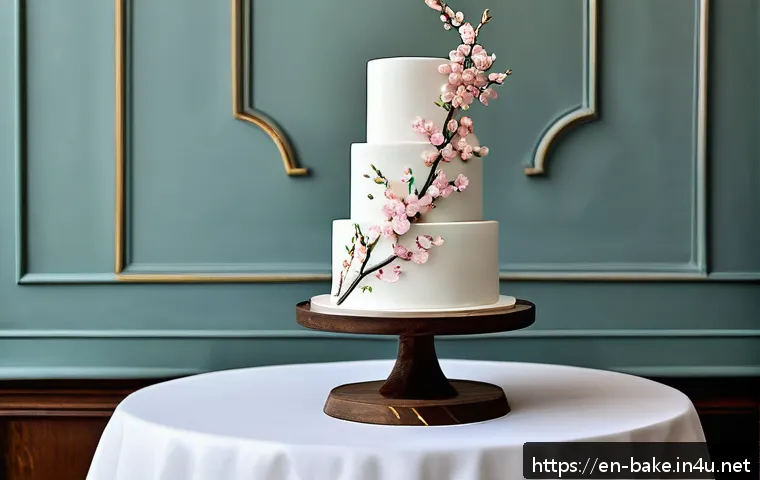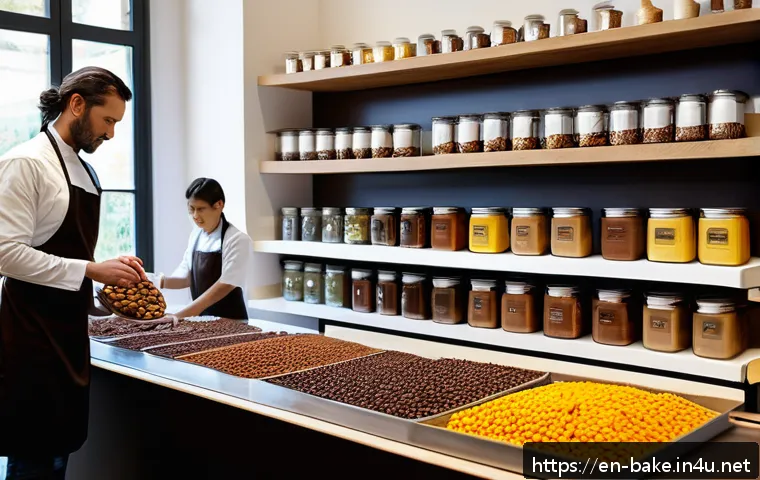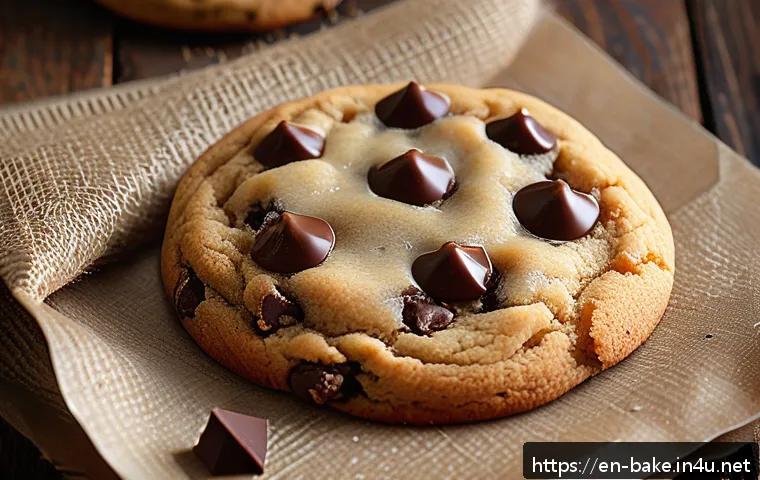
Lately, the world of desserts has been buzzing with a renewed passion for handcrafted excellence, as more people seek authentic flavors and unique textures.
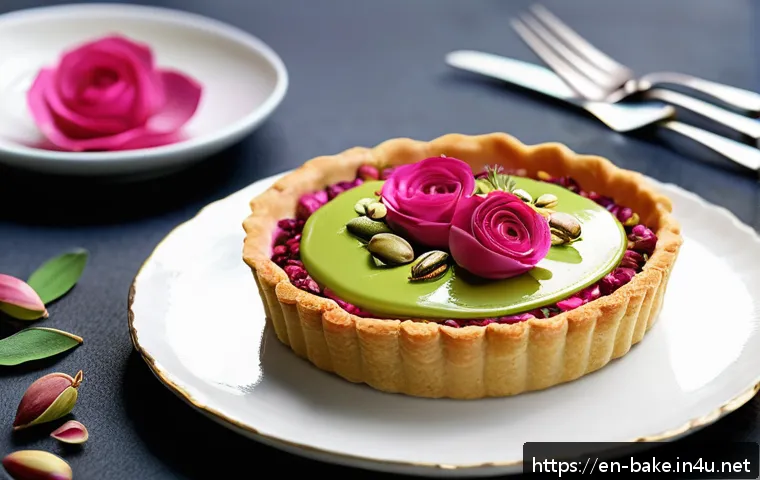
If you’re tired of the usual supermarket sweets and crave something truly special, you’re in the right place. Artisan pastry brands are redefining indulgence by blending traditional techniques with modern creativity.
From flaky croissants to delicate tarts, these makers bring a personal touch that elevates every bite. Stick around as we explore the top names transforming your dessert experience into a memorable journey of taste and artistry.
Trust me, your sweet tooth will thank you!
Discovering the Artistry Behind Handcrafted Pastries
Why Artisanal Pastries Feel Different
When you bite into a handcrafted pastry, it’s not just about flavor—it’s a full sensory experience. Unlike mass-produced sweets, these pastries offer a distinct texture that’s often light, flaky, and layered in a way that feels almost ethereal.
I’ve noticed that the balance of buttery richness with subtle sweetness is something you rarely find in store-bought treats. It’s clear that the makers pour not only skill but also passion into every batch, which you can taste in every crumb.
The slow fermentation of dough, the use of high-quality butter, and the precision in shaping all contribute to that magical mouthfeel that keeps you coming back for more.
The Craftsmanship Behind Each Creation
The process behind artisanal pastries is a labor of love. From mixing and proofing to shaping and baking, every step requires a delicate touch and deep understanding of ingredients.
For instance, croissant dough undergoes multiple folds and rests, creating those iconic layers that melt in your mouth. What fascinates me is how these bakers blend tradition with innovation—some stick strictly to classic recipes, while others experiment with flavors like matcha, yuzu, or even unexpected spices.
This dedication to craft elevates each pastry from mere food to a piece of edible art.
The Personal Touch That Makes All the Difference
One of the most striking things about artisan pastry brands is their storytelling. You often find that each item has a backstory tied to heritage or inspiration, which adds emotional value to the taste.
I’ve visited local bakeries where the owner greets you warmly and explains the origin of their signature tart or seasonal creation. That connection between maker and customer is rare but priceless in today’s fast-paced world.
It’s this human element that makes the indulgence feel more rewarding and authentic.
Exploring Flavor Combinations That Break the Mold
Classic Meets Contemporary in Surprising Ways
It’s refreshing to see how artisan bakers are reimagining classic pastries with unexpected flavor twists. Take the humble almond croissant, for example—some brands now infuse it with citrus zest or layer it with a dollop of lavender cream.
I recently tried a pistachio and rose tart that balanced floral notes with nutty richness so perfectly, it felt like a mini celebration in every bite.
These innovative combinations show how tradition can evolve without losing its soul, appealing to adventurous palates while respecting time-honored techniques.
Seasonal and Local Ingredients Stealing the Spotlight
Using seasonal produce is a hallmark of artisan pastry making, and it’s something I truly appreciate. When ingredients are fresh and locally sourced, the flavors are more vibrant and natural.
Imagine biting into a tart bursting with ripe summer berries or savoring a pumpkin-spiced pastry during autumn. These choices not only support local farmers but also connect the consumer to the rhythm of nature, creating a deeper appreciation for each ingredient’s unique character.
Balancing Sweetness and Texture for Maximum Impact
One thing I’ve learned is that the best desserts don’t rely on sugar overload. Instead, they balance sweetness with contrasting textures—think crisp pastry shell paired with creamy custard or a crunchy nut topping complementing a soft cake base.
This thoughtful layering keeps your palate engaged and prevents dessert fatigue. The artisans I follow are masters at this delicate balance, crafting treats that feel indulgent but never overwhelming.
Understanding the Ingredients That Make a Difference
The Power of Quality Butter and Flour
Butter and flour are the foundation of most pastries, but not all are created equal. I’ve noticed that the best artisan brands use European-style butter, which has a higher fat content and adds a richer, creamier texture to doughs.
Similarly, selecting the right flour—often stone-ground or unbleached—can influence the final crumb and structure. These small but crucial choices reflect a commitment to quality and flavor that’s hard to replicate in mass production.
Natural Sweeteners and Flavor Enhancers
Instead of relying heavily on refined sugars, many artisans turn to natural sweeteners like honey, maple syrup, or even fruit reductions to add depth and complexity.
This approach not only makes the pastries taste more nuanced but also feels lighter on the palate. I remember trying a tart sweetened with honey that had a subtle floral note, perfectly complementing the tartness of fresh citrus.
These natural alternatives elevate the overall flavor without masking the ingredients.
The Role of Fresh Herbs and Spices
Incorporating fresh herbs such as thyme, basil, or rosemary, as well as spices like cardamom and cinnamon, is a trend that adds unexpected layers to desserts.
These elements can brighten the flavor profile or introduce warmth and earthiness. One of my favorite discoveries was a lavender-infused shortbread cookie that paired beautifully with a cup of tea.
Using these botanical touches shows a sophisticated approach to flavor that’s both creative and grounded in nature.
The Rise of Boutique Bakeries and Their Impact on Communities
Supporting Local Economies Through Artisan Baking
Boutique bakeries often serve as community hubs, bringing people together over shared love for quality food. When I started exploring these shops, I realized how much they contribute to local economies by sourcing ingredients locally and employing skilled bakers.
Beyond business, they foster a sense of pride and connection, turning simple pastries into symbols of neighborhood identity and culture.
Creating Unique Experiences Beyond Just Eating
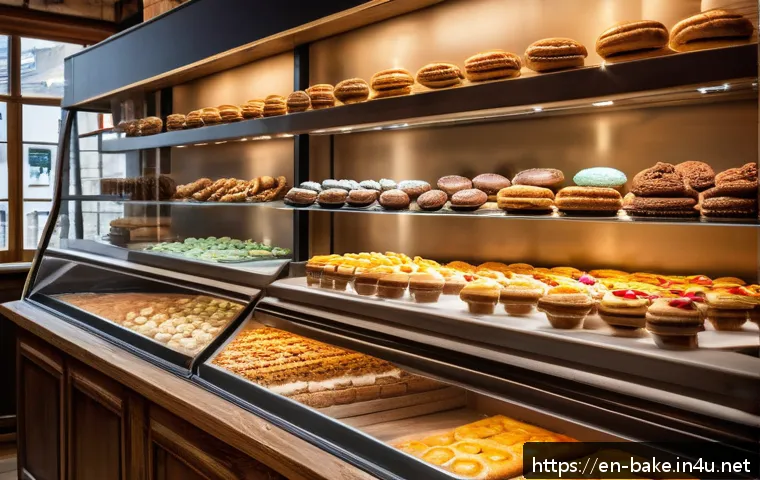
Many artisan bakeries offer more than just products—they provide experiences. From behind-the-scenes baking classes to tasting events and seasonal celebrations, these places invite customers to engage with the craft directly.
I once attended a croissant-making workshop where the hands-on process deepened my appreciation for the skill involved. These interactive moments turn casual dessert lovers into passionate fans who value the artistry behind every bite.
Challenges Faced by Small-Scale Pastry Makers
Despite their charm and quality, boutique bakeries face hurdles like higher ingredient costs and time-intensive production. I’ve chatted with bakers who work long hours perfecting recipes and managing business logistics, often with tight margins.
Their dedication is admirable, and it makes me value each handcrafted pastry even more. Supporting these artisans means encouraging a model that prioritizes quality over quantity, ensuring these treasures remain available for years to come.
How to Choose the Best Artisan Pastries for Every Occasion
Matching Pastries to Events and Moods
Not all pastries fit every occasion, so picking the right one can enhance the experience. For a casual brunch, flaky croissants or fruit-filled danishes work beautifully.
If you’re aiming for an elegant dinner party, delicate tarts or chocolate ganache-based treats impress guests effortlessly. I’ve learned to consider the event’s tone and season when selecting pastries, which makes the moment feel more thoughtful and memorable.
Considering Dietary Preferences Without Sacrificing Taste
Many artisan brands are now catering to dietary needs—gluten-free, vegan, or reduced sugar—without compromising flavor or texture. I’ve been pleasantly surprised by how creative and indulgent these alternatives can be.
For example, almond flour-based pastries offer a nutty richness, while aquafaba-based meringues provide lightness without eggs. It’s encouraging to see inclusivity in the dessert world, opening up handcrafted treats to more people.
Where to Find the Best Artisan Pastries Near You
Finding quality artisan pastries can sometimes feel like a treasure hunt, but local food markets, specialty bakeries, and online platforms are great places to start.
I recommend exploring farmers markets or independent shops, where you can often meet the bakers and get personalized recommendations. Online communities and food blogs also offer reviews and insights, helping you discover hidden gems in your area or beyond.
Comparing Popular Artisan Pastry Styles and Their Unique Traits
| Pastry Type | Key Characteristics | Flavor Profile | Texture | Typical Ingredients |
|---|---|---|---|---|
| Croissant | Flaky, layered dough made with butter | Buttery, slightly sweet | Light, airy, crisp exterior | Flour, butter, yeast, sugar, milk |
| Tart | Shortcrust pastry shell filled with custard, fruit, or ganache | Varies: sweet, tart, or rich | Crisp shell with creamy or juicy filling | Flour, butter, sugar, eggs, cream, fruits |
| Éclair | Choux pastry filled with cream, topped with icing | Sweet, creamy | Light, hollow interior with smooth filling | Flour, butter, eggs, cream, chocolate |
| Macaron | Almond meringue cookies sandwiched with flavored ganache or buttercream | Sweet, nutty, often fruity or floral | Crunchy shell with chewy interior | Almond flour, egg whites, sugar, buttercream |
| Strudel | Thin, layered pastry wrapped around fruit or nut filling | Sweet or savory | Flaky, crisp exterior with moist filling | Flour, butter, sugar, nuts, fruits |
Tips for Storing and Enjoying Artisan Pastries at Home
Best Practices to Maintain Freshness
Artisan pastries are at their peak right after baking, but sometimes you want to enjoy them later. I’ve found that storing them in airtight containers at room temperature works best for flaky items like croissants, which can lose their crispness if refrigerated.
For cream-filled or custard-based pastries, refrigeration is necessary but try to consume them within a day or two to avoid sogginess. Reheating in a low oven can help revive texture without drying them out.
Pairing Pastries with Drinks to Enhance Flavors
Drinks can amplify the enjoyment of your favorite pastry. Coffee’s bitterness contrasts beautifully with sweet, buttery croissants, while a lightly brewed tea can complement delicate tarts without overpowering them.
I often pair nutty or chocolate pastries with a rich espresso to bring out their depth. These simple pairings turn a casual snack into a mini ritual of indulgence.
Creative Ways to Serve and Present Pastries
Serving artisanal pastries can be an art form itself. I like to add fresh berries, edible flowers, or a light dusting of powdered sugar to enhance visual appeal.
Using elegant plates or wooden boards elevates the experience, making it feel special even if it’s just a weekday treat. Small touches like these make sharing pastries with friends or family more memorable and enjoyable.
In Conclusion
Handcrafted pastries are more than just desserts—they embody passion, tradition, and creativity. Each bite offers a unique story told through quality ingredients and meticulous craftsmanship. Whether enjoyed alone or shared, these artisanal treats bring a special warmth and joy that mass-produced sweets can rarely match.
Helpful Information to Keep in Mind
1. Freshness is key: Consume artisan pastries shortly after purchase for the best taste and texture.
2. Pair thoughtfully: Matching pastries with complementary beverages enhances the overall experience.
3. Support local: Choosing boutique bakeries helps sustain local economies and preserve artisan traditions.
4. Experiment boldly: Don’t hesitate to try innovative flavor combinations that blend classic and modern elements.
5. Consider dietary needs: Many artisan bakers offer options that cater to gluten-free, vegan, or reduced-sugar preferences without compromising flavor.
Key Takeaways
Choosing artisan pastries means embracing quality over convenience. The dedication to superior ingredients, careful techniques, and personal storytelling transforms simple sweets into memorable culinary experiences. Supporting these small-scale bakers not only enriches your palate but also helps sustain vibrant local food cultures. Remember to store and enjoy pastries properly to preserve their delightful textures and flavors.
Frequently Asked Questions (FAQ) 📖
Q: uestionsQ1: What makes artisan pastries different from regular store-bought desserts?
A: Artisan pastries stand out because they’re crafted with a focus on quality, tradition, and creativity. Unlike mass-produced sweets, these pastries often use premium, natural ingredients and are handmade or baked in small batches.
This careful attention to detail results in richer flavors, unique textures, and a more authentic taste experience that you simply can’t get from typical supermarket treats.
Q: Are artisan pastry brands more expensive, and is it worth the extra cost?
A: Yes, artisan pastries usually come with a higher price tag, but from my own experience, the cost reflects the superior ingredients, craftsmanship, and time invested in each item.
When you bite into a flaky croissant or a delicate tart made by a skilled baker, you’re tasting the difference. For those who truly appreciate quality and want to treat themselves to something special, the extra expense is absolutely justified.
Q: How can I find the best artisan pastry brands near me?
A: The best way to discover top artisan pastry brands is by exploring local bakeries, farmers’ markets, or specialty food shops that emphasize handmade goods.
Online reviews and social media are also great tools to see what’s trending and hear from fellow dessert lovers. Personally, I’ve found that asking for recommendations in foodie communities or trying a few places yourself often leads to the most delightful discoveries.