In today’s world where artisan confections are gaining immense popularity, maintaining consistent quality has become more crucial than ever. With consumers becoming increasingly discerning, mastering quality assurance can be the key to standing out in a crowded market.
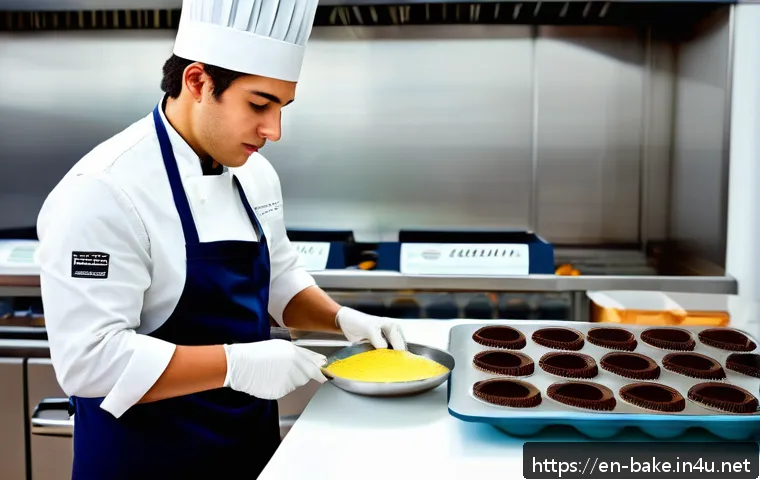
Whether you’re a small-batch chocolatier or a boutique bakery, understanding the secrets behind flawless production can transform your craft. Join me as we dive into practical tips and expert insights that ensure every bite delights your customers.
If you’ve ever struggled with variability in your sweets, this guide is tailored just for you. Let’s explore how to turn passion into perfection, one confection at a time.
Establishing Reliable Ingredient Sourcing
Choosing Suppliers with Consistency in Mind
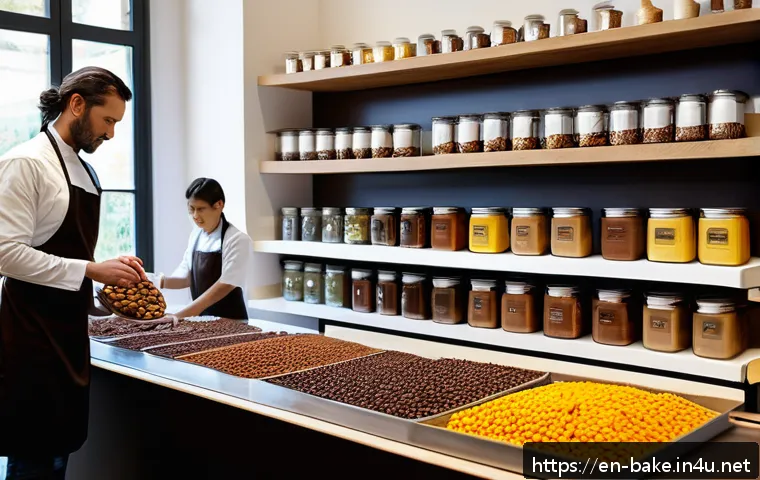
When it comes to artisan confections, the foundation of quality starts with the ingredients. From my experience working with various suppliers, the difference between a mediocre batch and a show-stopping one often boils down to the source of your raw materials.
Opting for suppliers who can guarantee consistent quality, traceability, and freshness is crucial. Don’t hesitate to ask for samples or even visit farms and production facilities if possible.
This hands-on approach not only builds trust but also helps you understand the nuances of the ingredients, such as seasonal variations or storage conditions that might affect the final product.
Remember, the best chocolates or pastries cannot shine if the base ingredients falter.
Managing Inventory to Preserve Freshness
Even with top-tier ingredients, how you store and manage inventory can make or break quality. I’ve learned that keeping ingredients at optimal temperatures and humidity levels is non-negotiable, especially with delicate items like cocoa butter or fresh cream.
Rotating stock using the FIFO (First In, First Out) method ensures that nothing lingers too long on the shelves, which could lead to off-flavors or texture degradation.
Labeling everything clearly and training your team on proper storage practices can save you from costly mistakes and maintain the integrity of your confections.
Understanding Ingredient Impact on Final Product
Each ingredient plays a unique role in your confection’s texture, flavor, and appearance. For example, substituting one type of sugar for another might seem minor but can significantly affect caramelization or moisture retention.
I once experimented with different types of vanilla extract and noticed how natural vanilla brought a richer aroma compared to artificial alternatives.
Understanding these subtle effects allows you to tweak your recipes without sacrificing quality. It also empowers you to troubleshoot when things don’t go as planned, turning potential setbacks into learning opportunities.
Precision in Recipe Development and Scaling
Balancing Creativity with Repeatability
Crafting a recipe that’s both innovative and reproducible is a delicate dance. While it’s tempting to experiment with exotic flavors or unconventional textures, I’ve found that documenting every step meticulously is key.
This way, when you hit upon a winning formula, scaling it up doesn’t compromise the original charm. Use weighing scales rather than volume measurements for accuracy and always test small batches before committing to a full run.
This process might feel tedious, but it pays off by ensuring your customers get the same delightful experience every time.
Adapting Recipes for Different Batch Sizes
Scaling recipes isn’t just about multiplying ingredients; it requires thoughtful adjustments. For instance, mixing times and temperatures often vary between small and large batches.
I recall the first time I tried scaling a ganache recipe from a dozen to a hundred pieces — the texture became grainy because the heat distribution wasn’t uniform.
Understanding how your equipment affects the process and making incremental changes rather than leaps helps maintain consistency. Keep detailed notes on these adaptations so you can replicate success or identify issues quickly.
Incorporating Feedback into Recipe Refinement
Customer feedback is a goldmine when fine-tuning your recipes. Whether it’s a comment about sweetness level, texture, or appearance, listening carefully and making data-driven adjustments can elevate your product.
I suggest setting up informal tastings with regular customers or fellow artisans to gather honest opinions. This collaborative approach not only improves quality but also builds community and loyalty around your brand.
Mastering Temperature Control and Timing
Why Temperature is a Game Changer
Temperature governs every stage of confectionery, from tempering chocolate to baking delicate pastries. I’ve personally witnessed how a few degrees off can cause bloom on chocolate or a soggy crust on tarts.
Investing in reliable thermometers and timers, and calibrating them regularly, is one of the best moves you can make. Understanding the science behind temperature changes helps anticipate and prevent common defects.
For example, tempering chocolate at the right intervals ensures a glossy finish and satisfying snap, something that customers subconsciously appreciate.
Timing Techniques for Perfect Texture
Timing is as crucial as temperature. Over or under-processing can ruin the texture, whether it’s over-whipping cream or underbaking a cake. My tip is to develop a rhythm in your workflow — consistent timing combined with sensory checks like touch and smell often yield the best results.
It’s also helpful to create standard operating procedures for each product so that anyone on your team can replicate the timing without guesswork.
Using Technology to Enhance Control
Modern kitchen gadgets like digital tempering machines, programmable ovens, and humidity controllers can dramatically improve consistency. While some artisans prefer manual techniques for authenticity, I’ve found that blending tradition with technology strikes the perfect balance.
These tools reduce human error, save time, and allow you to focus more on creativity rather than troubleshooting.
Implementing Rigorous Sensory Evaluation
Developing a Sensory Checklist
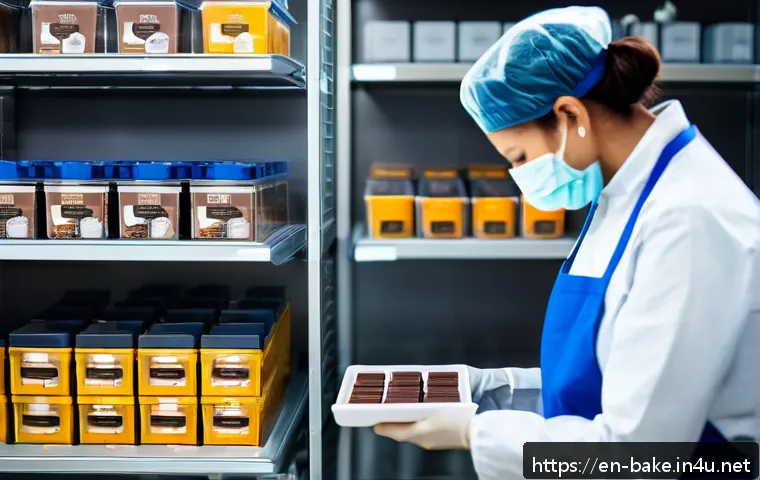
Sensory evaluation isn’t just about taste — it encompasses aroma, appearance, texture, and even sound. I create detailed checklists that cover each of these aspects for every product.
For instance, evaluating a truffle involves checking for a smooth outer shell, a balanced aroma, a melt-in-the-mouth texture, and no residual bitterness.
This structured approach makes quality control objective rather than subjective, enabling you to spot inconsistencies early.
Training Your Team’s Palate
A well-trained team can act as your frontline quality assurance. Regular tastings and calibration sessions where everyone learns to recognize ideal product attributes foster a shared standard.
I encourage involving staff in these evaluations, turning it into a fun and educational exercise rather than a chore. When everyone speaks the same sensory language, it’s easier to maintain quality across shifts and batches.
Documenting and Analyzing Sensory Data
Keeping records of sensory evaluations over time reveals patterns and trends. For example, if a certain batch repeatedly scores lower on texture, you can investigate specific steps or ingredients involved.
I use simple spreadsheets to track scores and comments, which helps in continuous improvement. This data-driven approach builds confidence and credibility, especially when sharing your quality story with customers or partners.
Establishing Cleanliness and Sanitation Standards
Creating a Sanitation Schedule
Maintaining impeccable hygiene is non-negotiable in artisan confectionery. I’ve seen how even minor lapses can lead to contamination or off-flavors. Developing a clear sanitation schedule that covers equipment, work surfaces, and storage areas ensures nothing is overlooked.
Assigning responsibilities and conducting regular audits helps keep standards high. Remember, a clean workspace isn’t just about safety; it also impacts the overall quality and shelf life of your products.
Using Food-Safe Cleaning Agents
Choosing the right cleaning agents is vital. Some chemicals can leave residues or alter flavors if not rinsed properly. I recommend using food-safe detergents and sanitizers specifically designed for kitchens.
Testing these products in small areas and observing their effects on equipment and ingredients helps avoid surprises. Educating your team on proper cleaning protocols, including contact times and rinsing, reinforces these standards.
Minimizing Cross-Contamination Risks
Cross-contamination can derail even the most carefully crafted confection. Implementing color-coded tools and separate prep zones for allergens or different product types reduces risks significantly.
I also advise regular handwashing and using gloves when handling ready-to-eat items. These practices protect your customers and preserve the integrity of your creations, fostering trust and repeat business.
Optimizing Packaging and Storage for Longevity
Choosing Packaging that Protects and Promotes
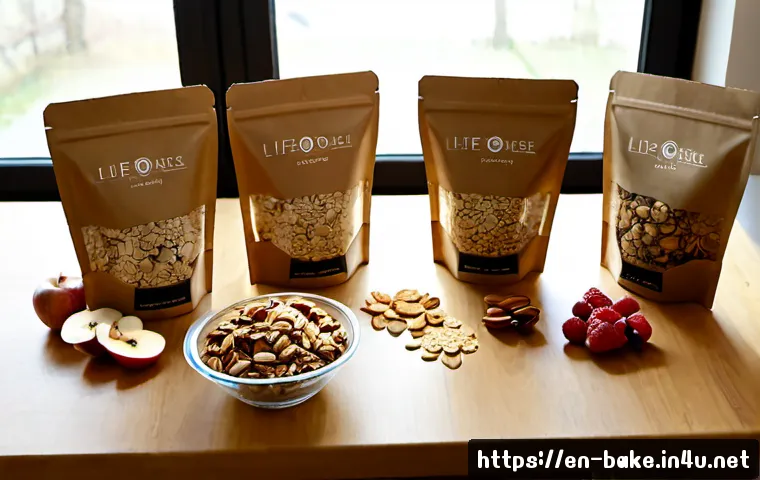
Packaging does more than just contain your confections; it preserves freshness and communicates your brand story. I’ve experimented with various materials and found that airtight, moisture-resistant packaging extends shelf life without compromising presentation.
Transparent windows or elegant labels add appeal, making your product irresistible on shelves or online. Balancing aesthetics with functionality is key.
Storing Finished Products Under Ideal Conditions
Once packaged, proper storage continues to be critical. Temperature, humidity, and light exposure can all affect texture and flavor. For instance, chocolates stored in warm conditions may bloom, while pastries kept too long risk drying out.
I recommend dedicated storage areas with controlled environments and clear labeling for rotation. Educating your team on handling and transportation also prevents quality degradation during delivery.
Monitoring Shelf Life and Expiry Dates
Knowing your product’s shelf life helps manage inventory and customer expectations. I use a simple tracking system that marks production and expiry dates, ensuring older stock is sold first.
Periodic testing of stored products confirms if the stated shelf life remains accurate, allowing adjustments as needed. Transparent communication about freshness builds customer confidence and encourages timely consumption.
| Aspect | Key Considerations | Best Practices |
|---|---|---|
| Ingredient Sourcing | Consistency, freshness, traceability | Supplier vetting, sample testing, visit facilities |
| Recipe Scaling | Accuracy, equipment differences, batch size adaptation | Use scales, test small batches, document changes |
| Temperature Control | Precision, equipment calibration, timing | Invest in reliable thermometers, SOPs, sensory checks |
| Sensory Evaluation | Objectivity, team training, data recording | Create checklists, conduct tastings, track scores |
| Sanitation | Hygiene, cleaning agents, cross-contamination | Sanitation schedules, food-safe chemicals, color-coded tools |
| Packaging & Storage | Protection, shelf life, environment control | Airtight packaging, controlled storage, expiry monitoring |
In Conclusion
Ensuring top-quality artisan confections starts with reliable ingredient sourcing and precise recipe development. Mastering temperature control and sensory evaluation further elevates the final product. Coupled with strict sanitation and smart packaging, these elements create a seamless path to consistency and customer satisfaction. With dedication and attention to detail, every batch can become a memorable experience.
Useful Information to Keep in Mind
1. Always prioritize suppliers who offer consistent, fresh, and traceable ingredients to maintain high product standards.
2. Document every step and adjust recipes carefully when scaling to larger batches to preserve quality.
3. Invest in accurate temperature control tools and develop a reliable timing routine to perfect textures.
4. Train your team regularly on sensory evaluation to maintain objective quality checks across production.
5. Implement strict sanitation protocols and choose packaging that protects freshness while reflecting your brand identity.
Key Takeaways for Success
Reliable ingredient sourcing combined with meticulous recipe management forms the backbone of exceptional confections. Consistent temperature and timing control are essential for achieving ideal textures and finishes. Engaging your team in sensory evaluation fosters quality awareness, while rigorous sanitation and smart packaging ensure product safety and longevity. Together, these practices build trust, enhance customer satisfaction, and support sustainable growth in your artisan confectionery business.
Frequently Asked Questions (FAQ) 📖
Q: uestionsQ1: How can I ensure consistent quality in small-batch confectionery production?
A: Consistency starts with precise measurements and reliable sourcing of ingredients. I’ve found that using digital scales and standardized recipes helps reduce variability.
Also, controlling environmental factors like temperature and humidity in your workspace makes a huge difference. Regularly calibrating your equipment and keeping detailed production logs allow you to spot trends or issues before they affect quality.
It’s about creating a routine that leaves little room for guesswork, so every batch tastes just as delightful as the last.
Q: What are common causes of variability in artisan sweets, and how do I troubleshoot them?
A: Variability often comes from inconsistent ingredient quality, fluctuating temperatures, or timing errors during production. For example, if your chocolate sets too soft or too hard, it might be due to improper tempering or ambient humidity.
I remember once battling uneven caramel texture until I adjusted my cooking times and used a candy thermometer consistently. Troubleshooting involves isolating each step—test different batches with controlled tweaks, and don’t hesitate to take notes on what changes work.
Over time, this trial-and-error approach builds a foolproof method tailored to your unique process.
Q: How important is staff training in maintaining high-quality artisan confections?
A: Training is absolutely crucial. Even the best recipes can fall flat if the team isn’t aligned on techniques and quality standards. When I trained my staff, I focused on hands-on practice and explained why each step matters—from ingredient handling to finishing touches.
This not only improved consistency but also boosted morale because everyone felt invested in the final product. Regular refreshers and open communication channels help maintain standards and quickly address any deviations before they affect customers.
Investing in people truly pays off in the quality of your confections.