Hey there, snack-loving parents! With growing concerns about kids’ nutrition and the ever-expanding variety of snack options, choosing treats that are both tasty and nourishing can feel like a real challenge.
Lately, more families are seeking smart snacking habits to support their children’s energy and development without sacrificing flavor. In this post, we’ll explore how to pick nutrient-packed snacks that delight little taste buds while fueling growing bodies.
Whether you’re juggling busy schedules or picky eaters, these tips can make a big difference in your snack game. Ready to transform snack time into a healthy, happy moment?
Let’s dive in!
Balancing Taste and Nutrition in Kids’ Snacks
Understanding Kids’ Palate Preferences
Children’s taste buds are notoriously selective, often favoring sweet or salty flavors over bland or bitter ones. From my experience juggling snack time with my own kids, I’ve found that blending familiar tastes with subtle nutritional upgrades helps ease the transition to healthier options.
For instance, swapping regular chips for lightly salted veggie crisps can satisfy that crunchy craving without overwhelming their senses. It’s all about creating an inviting flavor profile that doesn’t scream “healthy” but still packs a nutritional punch.
Incorporating Whole Foods into Snacks
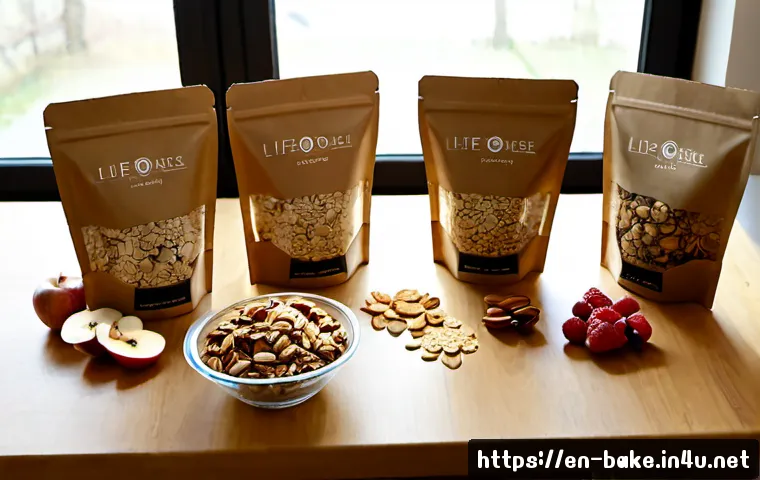
Whole foods like fruits, nuts, and seeds are nature’s original snack packs, bursting with vitamins, minerals, and fiber. When you mix in whole grain crackers or pair apple slices with a nut butter dip, the snack becomes a mini nutrient powerhouse.
I’ve noticed that kids are more willing to eat these snacks if they’re presented in fun shapes or paired with a favorite dip. The key is to keep it simple and approachable, so they don’t feel overwhelmed by unfamiliar textures or flavors.
Mindful Portion Sizes for Growing Appetites
One tricky part of snacking is balancing portions so kids get enough energy without spoiling their next meal. Personally, I measure out snack servings in advance—around a handful or one small container—to avoid mindless munching.
This helps keep their appetite intact for balanced meals while still providing enough fuel for active play. It also teaches kids the value of moderation, which is a skill that benefits their long-term relationship with food.
Smart Ingredient Swaps That Kids Won’t Notice
Replacing Refined Sugars with Natural Sweeteners
Cutting down on refined sugar doesn’t have to mean sacrificing sweetness. Using natural sweeteners like honey, maple syrup, or mashed bananas adds gentle sweetness along with some nutrients.
I’ve tried baking homemade granola bars with mashed bananas and a touch of honey, and my kids loved them—plus, I felt good knowing there weren’t any hidden artificial sugars.
These swaps keep snacks flavorful without the sugar crash that often follows candy or sugary snacks.
Choosing Healthy Fats for Brain Development
Healthy fats are essential for children’s brain growth and overall health, yet they’re often missing from typical snack choices. Including sources like avocado slices, nut butters, or even a small handful of walnuts can provide omega-3 fatty acids and other beneficial nutrients.
I’ve found that spreading almond butter on whole grain toast or offering trail mix with nuts and dried fruit satisfies hunger and supports cognitive function at the same time.
Boosting Fiber Intake with Simple Additions
Fiber is crucial for digestion and sustained energy, but many snacks fall short here. Adding oats, chia seeds, or whole grains into snacks not only increases fiber but also adds texture and satiety.
For example, mixing chia seeds into yogurt or offering popcorn made from whole corn kernels are easy ways to sneak fiber into snacks. Kids tend to enjoy the crunch and creaminess, making these additions both effective and enjoyable.
Creating Snack Routines That Encourage Healthy Habits
Setting Regular Snack Times
Establishing consistent snack times helps regulate hunger and prevents overeating or grazing throughout the day. In my household, we stick to mid-morning and mid-afternoon snacks, which keeps energy steady and moods balanced.
Predictable snack routines also teach kids to listen to their hunger cues rather than eating out of boredom or habit.
Engaging Kids in Snack Preparation
Getting children involved in preparing their snacks makes them more excited about eating healthy options. When my kids help arrange fruit kabobs or mix their own trail mix, they take pride in their choices and are more willing to try new flavors.
It also becomes a fun activity that encourages creativity and learning about food.
Creating a Snack-Friendly Environment
Keeping nutritious snacks visible and accessible at home is a game-changer. I’ve learned that if healthy options like cut veggies or fruit are within easy reach, kids naturally gravitate towards them instead of less nutritious packaged snacks.
On the flip side, limiting the availability of sugary or processed snacks reduces temptation and promotes better choices.
Understanding Nutrient Labels to Make Informed Choices
Spotting Hidden Sugars and Additives
Labels can be tricky, but learning to identify hidden sugars and unnecessary additives empowers parents to pick cleaner snacks. I always scan for terms like “corn syrup,” “fructose,” or “hydrogenated oils” that indicate less healthy options.
Choosing snacks with shorter ingredient lists and recognizable names often means fewer artificial ingredients and preservatives.
Checking for Protein and Fiber Content
Protein and fiber are two nutrients that help kids feel full longer and maintain energy levels. When shopping, I compare labels to find snacks with at least 3-5 grams of protein and 2-4 grams of fiber per serving.
My go-to snacks often include nuts, seeds, or whole grains, which reliably meet these targets.
Considering Sodium Levels
While some sodium is necessary, excessive amounts can contribute to health issues over time. I pay attention to sodium content, especially in savory snacks, aiming for options with less than 150 mg per serving.
This balance keeps snacks tasty without overloading on salt.
Easy, Nutritious Snack Ideas for Busy Families
Simple No-Bake Snacks
No-bake snacks like energy balls made from oats, nut butter, and a touch of honey are quick to prepare and store well for busy days. I’ve found these especially handy for school lunches or after-school treats, as they’re both filling and portable.
Fresh and Fun Fruit Combos
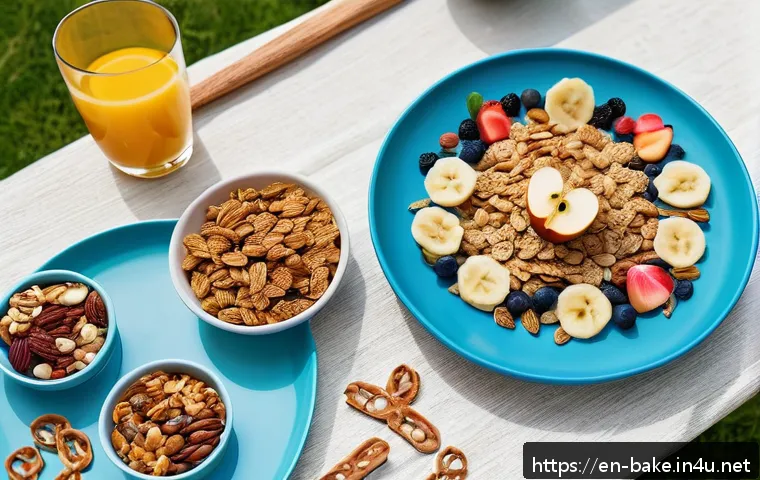
Pairing fresh fruits with complementary dips or toppings makes snack time exciting. For example, apple slices with cinnamon yogurt dip or banana slices topped with a sprinkle of granola turn ordinary fruit into a mini dessert that kids actually request.
DIY Trail Mix Creations
Custom trail mixes let you control ingredients and portions, combining nuts, seeds, dried fruit, and whole grain cereal. I involve my kids in choosing their favorite components, which makes the snack feel personalized and fun.
Plus, trail mix is great for on-the-go fueling.
Key Nutrients to Prioritize in Kids’ Snacks
| Nutrient | Role in Growth | Common Snack Sources | Recommended Daily Amount |
|---|---|---|---|
| Protein | Supports muscle development and repair | Greek yogurt, nuts, cheese, eggs | 13-19 grams (varies by age) |
| Fiber | Promotes healthy digestion and fullness | Whole grains, fruits, vegetables, nuts | 17-25 grams |
| Calcium | Builds strong bones and teeth | Milk, cheese, fortified plant-based milk | 700-1,300 mg |
| Iron | Essential for oxygen transport in blood | Lean meats, beans, fortified cereals | 7-10 mg |
| Healthy Fats (Omega-3) | Supports brain and eye development | Walnuts, flaxseeds, chia seeds, fish | 0.7-1.2 grams |
Overcoming Challenges with Picky Eaters
Introducing New Foods Gradually
Picky eating can be frustrating, but patience and persistence pay off. I usually introduce one new snack ingredient at a time alongside familiar favorites.
This slow approach helps kids build acceptance without feeling pressured or overwhelmed.
Making Snacks Visually Appealing
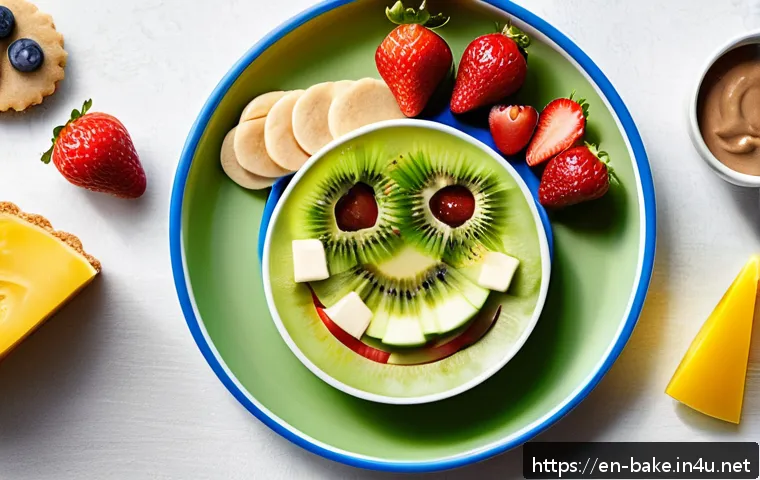
Presentation matters—colorful, fun shapes or creative plating can entice hesitant eaters. Using cookie cutters for sandwiches or arranging fruit in smiley faces has made a surprising difference in my home, turning snack time into a playful experience.
Respecting Preferences and Offering Choices
Giving kids some control over their snack choices fosters independence and reduces resistance. Offering two or three healthy options and letting them decide encourages positive eating habits and helps them develop a sense of autonomy around food.
Wrapping Up
Finding the right balance between taste and nutrition in kids’ snacks is both an art and a science. By combining familiar flavors with wholesome ingredients and involving children in the process, healthy snacking becomes enjoyable and sustainable. Remember, small changes and consistent routines make a big difference in building lifelong healthy habits.
Helpful Tips to Remember
1. Offer snacks that blend familiar tastes with subtle nutritional improvements to keep kids interested and satisfied.
2. Use whole foods like fruits, nuts, and seeds to boost vitamins, fiber, and healthy fats naturally.
3. Control portion sizes to maintain appetite for balanced meals and teach moderation.
4. Get kids involved in snack preparation to increase their enthusiasm and willingness to try new foods.
5. Read nutrition labels carefully to avoid hidden sugars, excessive sodium, and artificial additives.
Key Takeaways
Choosing snacks that are both tasty and nutritious requires understanding children’s preferences and nutritional needs. Prioritizing whole foods, healthy fats, and fiber while limiting processed ingredients helps support growth and energy. Establishing consistent snack routines and involving kids in food choices encourages positive habits. Monitoring labels ensures informed decisions that benefit long-term health. Ultimately, patience and creativity turn snack time into a fun, nourishing experience for the whole family.
Frequently Asked Questions (FAQ) 📖
Q: What are some easy-to-find snacks that are both nutritious and kid-friendly?
A: Great question! From my experience, snacks like sliced apples with peanut butter, Greek yogurt with a drizzle of honey, and whole-grain crackers with cheese hit the sweet spot between nutrition and taste.
These options are simple to prepare, widely available, and usually a hit with kids because they combine familiar flavors with essential nutrients like protein, fiber, and healthy fats.
Plus, they keep energy levels steady, which is a win during busy afternoons or right after school.
Q: How can I encourage picky eaters to try healthier snacks without turning snack time into a battle?
A: Trust me, I’ve been there, and the key is to involve your kids in the snack selection process. Let them pick from a few healthy options you’ve pre-approved—it gives them a sense of control and makes them more willing to try new things.
Also, presenting snacks in fun shapes or colorful arrangements can make a big difference. For example, using cookie cutters to shape fruits or veggies into stars or animals turns snack time into a playful experience rather than a chore.
Q: Are there any quick snack prep tips for busy parents who want to keep snacks nutritious?
A: Absolutely! One trick that saved me countless times is batch prepping snacks on weekends. Chop veggies, portion out nuts, or make homemade granola bars ahead of time, so healthy options are grab-and-go during hectic weekdays.
Another tip is to keep a stash of frozen fruits like berries or mango chunks—these thaw quickly and can be paired with yogurt or oatmeal for a nutritious boost.
It’s all about making healthy snacking as effortless as possible!