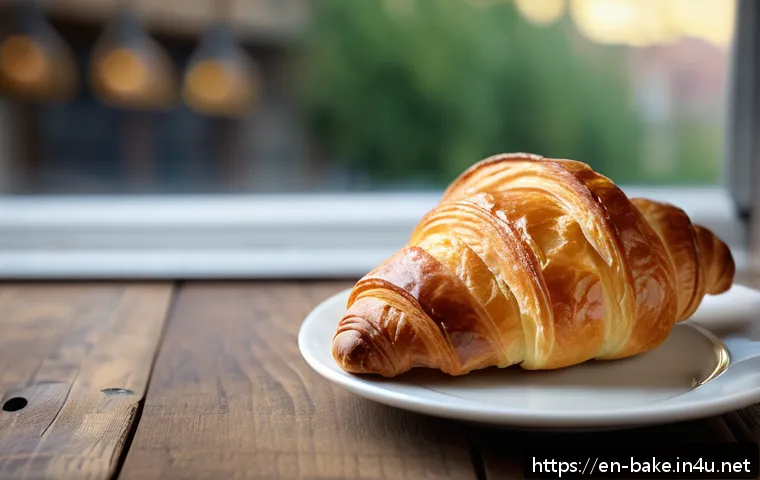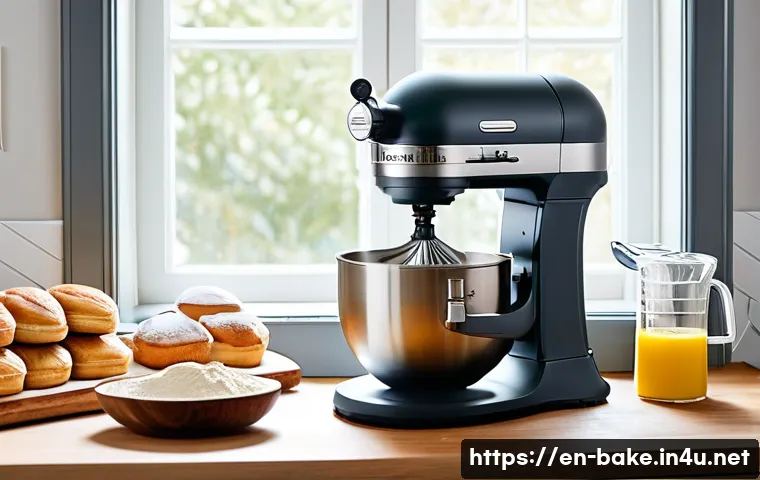
Baking at home has become more popular than ever, especially as people look for fun and creative ways to enjoy their downtime. Whether you’re a seasoned baker or just starting out, having the right kitchen appliance can make all the difference in your homemade treats.
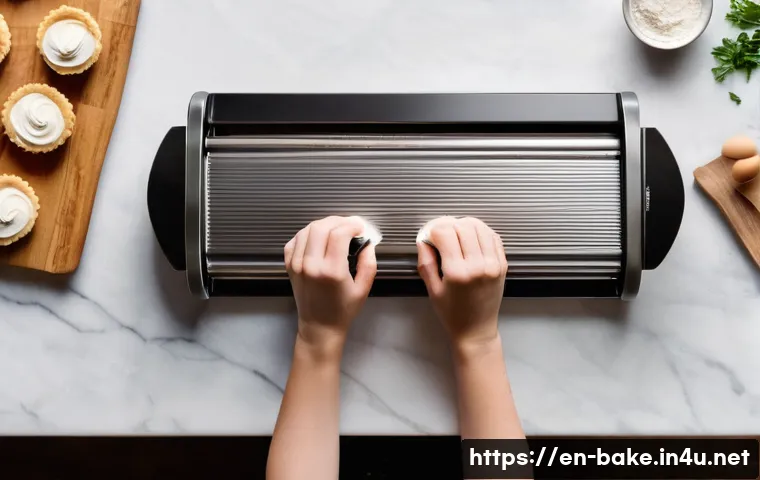
From cookies to cakes, a reliable pastry maker simplifies the process and elevates your baking game. With so many options available, it can be tricky to choose the perfect one that fits your needs and budget.
Let’s dive into the details and find out which home baking machine truly stands out! Stick around, and I’ll walk you through everything you need to know.
Choosing the Right Pastry Maker for Your Kitchen
Understanding Different Types of Pastry Makers
When it comes to pastry makers, the variety can feel overwhelming at first glance. You’ll find everything from simple handheld electric rollers to sophisticated countertop machines with multiple functions.
For beginners, a basic model that handles dough mixing and rolling might be all you need. However, if you’re someone who loves experimenting with different pastries or wants to bake frequently, investing in a multifunctional appliance can save you time and effort in the long run.
Personally, I found that machines with adjustable thickness settings and easy-to-clean surfaces made my baking sessions much more enjoyable and less of a hassle.
Key Features to Look For in a Pastry Maker
A reliable pastry maker should offer consistent performance and durability. Look for machines with sturdy construction—metal parts tend to last longer than plastic ones.
Adjustable speed settings are a bonus, as they let you control dough texture more precisely. Also, non-stick rollers or plates significantly reduce cleanup time, which is a lifesaver after multiple baking sessions.
Another feature I appreciate is a compact design that fits neatly on the countertop or can be stored easily. Don’t forget to check if the machine comes with safety features, especially if you have kids around or if you tend to get distracted mid-bake.
Budgeting for Quality Without Overspending
It’s tempting to pick the cheapest option, but a pastry maker is an investment that should last for years. I recommend setting a budget that balances quality and functionality.
Entry-level models usually start around $50, while high-end ones can go beyond $300. In my experience, spending somewhere in the $100 to $200 range offers a sweet spot where you get durable materials, useful features, and reliable performance without breaking the bank.
Also, keep an eye out for warranty and customer support, which can save you headaches if anything goes wrong.
Essential Accessories That Enhance Your Baking Experience
Must-Have Attachments for Versatility
Many pastry makers come with a range of attachments that expand their capabilities. For example, dough cutters, rolling pins, and embossing rollers can add flair to your baked goods.
Some machines even include attachments for pasta making or bread slicing, which can be a pleasant surprise if you’re into diverse culinary projects. When I first started, I underestimated how much these little extras could elevate my baking.
Having the right tools on hand made it easier to try new recipes and impress family and friends.
Maintenance Tools to Keep Your Machine in Top Shape
Regular cleaning and maintenance are crucial for keeping your pastry maker functioning smoothly. Look for models that come with brushes or scrapers designed specifically for cleaning hard-to-reach parts.
I learned this the hard way when I tried to clean my machine with a cloth alone—it was tedious and less effective. Also, check whether the parts are dishwasher safe; this can be a major time-saver, especially after a busy baking weekend.
Keeping your appliance clean not only prolongs its lifespan but also ensures the quality and safety of your treats.
Storage Solutions for a Clutter-Free Kitchen
Kitchen space is often limited, so having a pastry maker that’s easy to store is a big plus. Some models come with built-in storage compartments for accessories, which is a thoughtful design feature.
If not, consider investing in stackable containers or drawer organizers to keep everything tidy. From my experience, a clutter-free kitchen makes baking more enjoyable and less stressful.
Plus, when everything is in its place, you’re more likely to bake spontaneously without the hassle of digging through a mess.
Comparing Top Pastry Makers: Features, Prices, and User Ratings
| Model | Price Range | Key Features | User Rating | Best For |
|---|---|---|---|---|
| BakeMaster Pro 3000 | $180 – $220 | Adjustable thickness, non-stick rollers, safety lock | 4.7/5 | Frequent bakers, multitasking |
| QuickRoll Basic | $50 – $70 | Simple controls, lightweight, easy to clean | 4.2/5 | Beginners, casual use |
| Chef’s Choice Deluxe | $250 – $300 | Multiple attachments, digital display, durable metal body | 4.8/5 | Professional home bakers, versatile use |
| CompactRoll Mini | $90 – $120 | Compact design, quiet motor, easy storage | 4.5/5 | Small kitchens, limited storage |
How to Maximize Your Pastry Maker’s Potential
Experimenting with Different Doughs
One of the joys of having a pastry maker is the freedom to experiment with all sorts of doughs—puff pastry, shortcrust, choux, and even gluten-free options.
I’ve found that adjusting the machine’s settings based on the dough type can dramatically improve texture and flavor. For example, lower speed and thinner rollers work better for delicate pastries, while thicker settings help with sturdier doughs like pie crusts.
Trial and error is part of the fun, and over time, you’ll develop a feel for what works best.
Incorporating Your Pastry Maker into Daily Cooking
Using your pastry maker doesn’t have to be limited to special occasions. I often use mine to prep quick snacks like homemade crackers or mini pizzas for busy weeknights.
This not only saves money but also gives me control over ingredients and portion sizes. Incorporating the machine into your everyday cooking routine can make healthier and tastier options more accessible, especially if you love fresh-baked goods but want to avoid preservatives.
Sharing Your Creations and Getting Feedback
Baking at home is a creative outlet, and sharing your results can be incredibly rewarding. Whether you post pictures on social media, gift treats to neighbors, or invite friends over for a tasting, getting feedback helps you improve and stay motivated.
I remember when I first shared my homemade croissants online, the encouragement I received inspired me to keep refining my skills. Plus, community engagement often leads to new recipe ideas and baking tips you might not find in cookbooks.
Understanding Maintenance and Troubleshooting Tips
Routine Cleaning Practices
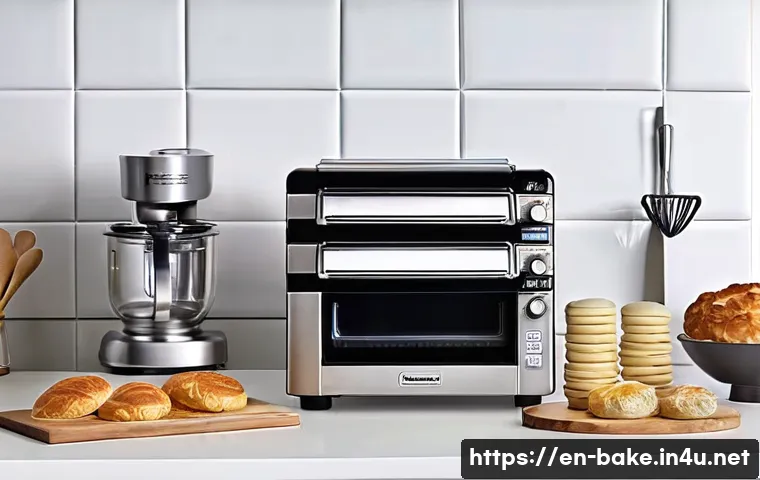
Keeping your pastry maker clean after every use is essential to avoid build-up that can affect performance and taste. I recommend wiping down all accessible parts immediately after baking, then doing a deeper clean weekly.
Using warm, soapy water for removable components and a dry cloth for the motor area works well. If your model has non-stick rollers, avoid abrasive cleaners to prevent damage.
Proper maintenance extends the life of your machine and ensures your pastries always taste fresh.
Common Issues and How to Fix Them
Like any kitchen appliance, pastry makers can encounter hiccups. Common problems include dough sticking to rollers, inconsistent thickness, or unusual noises.
Most of these can be resolved by checking the machine’s settings, cleaning thoroughly, or applying a light dusting of flour on rollers. If the motor seems weak or the machine overheats, giving it a rest between batches usually helps.
Always refer to the manufacturer’s manual for troubleshooting steps, and don’t hesitate to contact customer support for persistent issues.
When to Consider Upgrading Your Pastry Maker
Even the best machines have a lifespan, and sometimes upgrading is the best choice to keep your baking game strong. Signs it’s time for a new pastry maker include frequent mechanical failures, lack of modern features you need, or if your baking volume has significantly increased.
I upgraded my machine after three years of daily use, and the new one’s improved speed and versatility made a noticeable difference in both efficiency and results.
Investing in a newer model can reignite your passion for baking and open doors to more creative projects.
Tips for Buying Online and Making the Most of Reviews
Spotting Reliable Sellers and Warranties
Buying kitchen appliances online can be convenient but requires caution. Always check seller ratings and return policies before purchasing. Reputable brands typically offer warranties that protect you against defects and malfunctions, which is a huge relief if something goes wrong.
I learned to prioritize sellers with responsive customer service, as it saved me from a frustrating experience when my first pastry maker arrived with a missing part.
Take your time reading the fine print and don’t hesitate to ask questions before buying.
Evaluating User Reviews for Honest Insights
User reviews are goldmines for understanding how a pastry maker performs in real kitchens. Look beyond the star ratings and read detailed feedback, especially from people who have similar baking habits or needs.
Pay attention to comments on durability, ease of use, and customer support. I found that reviews mentioning long-term use are particularly helpful because they reveal how the machine holds up over time.
Sometimes, reviewers share clever hacks or tips that can improve your experience.
Leveraging Video Demonstrations and Tutorials
Watching video demos of pastry makers in action can clarify features and usability better than any product description. Many brands and users upload detailed tutorials showing how to assemble, use, and clean their machines.
I often rely on these videos to troubleshoot or learn new techniques. If you’re unsure about a model, searching for hands-on reviews or unboxings can provide a realistic picture of what to expect, helping you make a confident purchase decision.
Conclusion
Choosing the right pastry maker can transform your baking experience, making it easier and more enjoyable. Whether you’re a beginner or a seasoned baker, investing in a quality machine tailored to your needs pays off in the long run. Remember to consider features, durability, and accessories that suit your kitchen and baking style. With the right pastry maker, you’ll unlock new creative possibilities and bake with greater confidence.
Useful Tips to Keep in Mind
1. Always prioritize machines with adjustable settings to match different dough types for better results.
2. Look for durable materials and safety features, especially if you bake frequently or have children around.
3. Regular cleaning and maintenance extend the life of your pastry maker and keep your baked goods tasting fresh.
4. Don’t underestimate the value of attachments—they can greatly expand your pastry maker’s versatility.
5. When buying online, thoroughly research sellers, warranties, and user reviews to avoid surprises.
Key Takeaways
Investing wisely in a pastry maker means balancing quality, features, and budget to fit your baking habits. Maintenance is essential to ensure longevity and consistent performance, so choose models that are easy to clean and come with helpful accessories. Incorporating your pastry maker into everyday cooking can save time and encourage healthier eating. Finally, leveraging user feedback and video tutorials helps you make informed decisions and maximize your machine’s potential for years to come.
Frequently Asked Questions (FAQ) 📖
Q: What should I look for when choosing a home baking machine?
A: When picking a home baking machine, focus on versatility, ease of use, and size. A good appliance should handle various doughs and batters, from cookies to bread.
Look for features like adjustable temperature controls and non-stick surfaces, which make baking smoother. Also, consider the machine’s size in relation to your kitchen space—compact models are great for small kitchens but might have limited capacity.
Personally, I found that machines with clear, simple controls saved me a lot of frustration when trying new recipes.
Q: Can a pastry maker really improve the quality of my baked goods?
A: Absolutely! Using a reliable pastry maker can significantly improve texture and consistency, especially if you struggle with mixing dough evenly by hand.
It ensures ingredients are well combined and cooked uniformly, which can be tough to achieve otherwise. From my experience, the even heat distribution and precise settings on a good machine help avoid common baking pitfalls like undercooked centers or burnt edges.
Plus, it saves time and effort, letting you focus more on creativity.
Q: Are expensive baking machines worth the investment for home bakers?
A: It depends on how often you bake and what you want to achieve. Higher-end machines usually offer more features, better durability, and superior results, which can be worth it if baking is a regular hobby or even a small side business.
However, for casual bakers, mid-range options often provide excellent value and performance without breaking the bank. I started with a budget-friendly model and upgraded later once I was sure baking was a serious passion.
That approach helped me avoid overspending upfront while still enjoying great homemade treats.