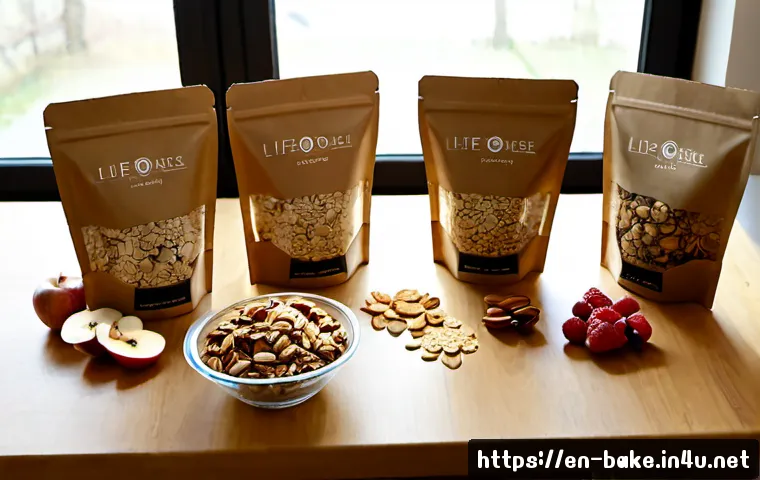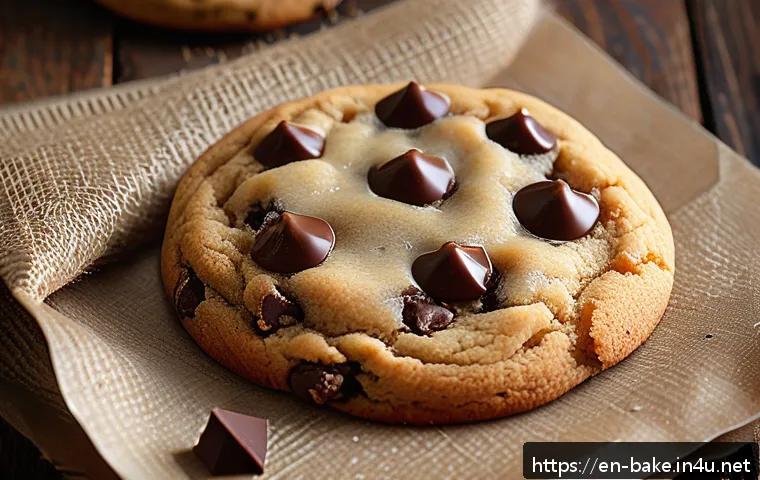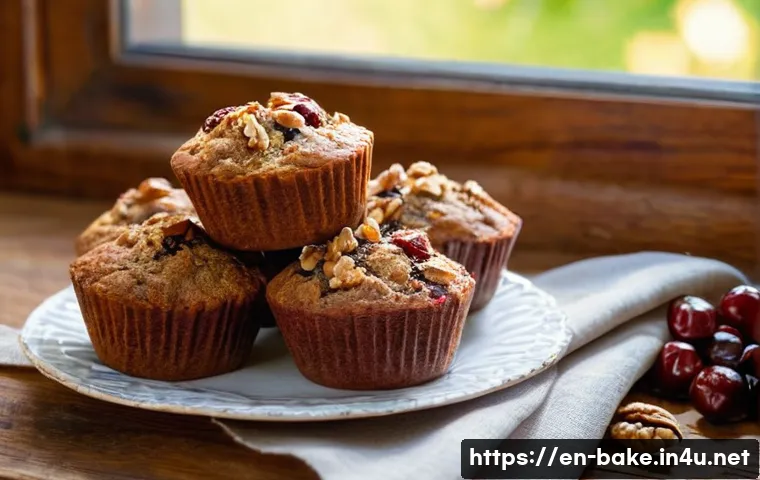
Nutritious and delicious, baked goods featuring nuts and fruits have captured the hearts of food lovers worldwide. Combining the rich crunch of nuts with the natural sweetness of fruits creates a perfect harmony of flavors and textures.
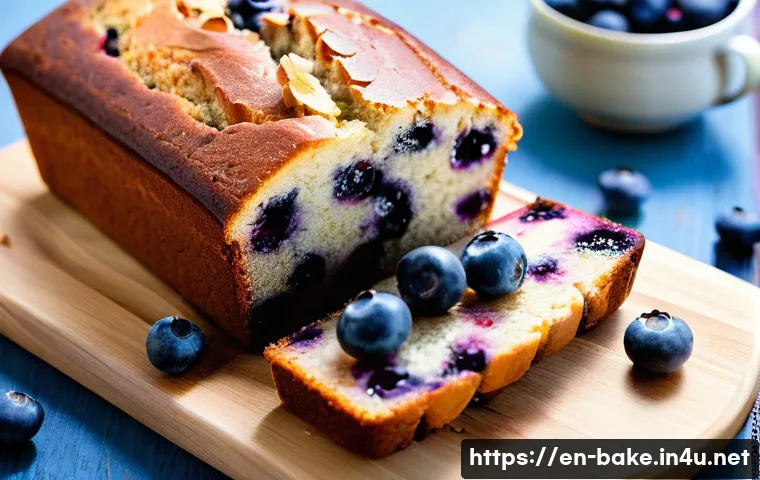
Whether in cookies, muffins, or bread, these ingredients not only enhance taste but also boost health benefits. From antioxidants to healthy fats, nuts and fruits bring more than just flavor to your favorite treats.
I’ve personally found that including them makes desserts feel both indulgent and guilt-free. Curious about how to make the most of these ingredients in your baking?
Let’s dive deeper and explore the secrets behind these delightful creations!
Balancing Flavors and Textures in Nut and Fruit Baking
Understanding the Role of Nuts in Baked Goods
When you bite into a cookie or muffin studded with nuts, that satisfying crunch isn’t just a texture bonus—it’s a flavor enhancer. Nuts like walnuts, pecans, and almonds bring a rich, earthy note that complements the sweetness of fruits perfectly.
What I’ve noticed over time is that toasting nuts before adding them to your batter elevates their aroma and deepens their flavor profile. It also prevents them from becoming soggy during baking, which can happen if you add them raw.
This little step makes a huge difference, especially in bread or denser cakes, where texture can make or break the eating experience.
Choosing the Right Fruits for Your Recipe
Fresh fruits, dried fruits, or even candied ones—each type offers unique benefits to your baked treats. For example, fresh berries add bursts of juiciness and tang, while dried fruits like raisins or cranberries contribute concentrated sweetness and chewiness.
I tend to soak dried fruits in warm water or juice before folding them into dough, which plumps them up and keeps them moist after baking. Another trick I learned is balancing the fruit’s moisture with the dough’s consistency; too much moisture can make your bread or cake dense or soggy, so adjusting flour or baking time is key.
Combining Nuts and Fruits for Layered Complexity
The magic really happens when you combine both nuts and fruits. The interplay between crunchy and chewy textures keeps your palate engaged, while the contrasting flavors—nutty bitterness against fruity sweetness—create a complex taste sensation.
When I bake, I like to pair walnuts with dried cherries or pecans with fresh blueberries. Not only does this combination look appealing, but it also brings out the best in both ingredients, making every bite exciting and satisfying.
Health Benefits Hidden in Nut and Fruit Treats
Why Nuts Are a Nutritional Powerhouse
Nuts aren’t just tasty; they’re packed with heart-healthy fats, protein, and fiber. This means that when you include nuts in your baked goods, you’re adding nutritional value that helps keep you fuller for longer and supports overall wellness.
From my experience, swapping out some butter or oil with finely chopped nuts can reduce saturated fat content while boosting the texture and flavor complexity.
Plus, nuts contain antioxidants and essential vitamins like vitamin E, which contribute to skin health and immune support.
Fruits as Natural Sweeteners and Nutrient Boosters
Using fruits, especially fresh or dried ones without added sugar, is a great way to naturally sweeten your desserts. Fruits bring antioxidants, vitamins, and minerals that processed sugars simply don’t have.
In my kitchen, I often use mashed bananas or applesauce as part of the sweetening agent, which also adds moisture and softness to muffins or quick breads.
This approach lets me indulge in treats that feel less guilty because they nourish rather than just satisfy a sugar craving.
Balancing Indulgence and Nutrition
One of the best parts about baking with nuts and fruits is that you don’t have to sacrifice flavor for health. I’ve found that these ingredients allow me to create desserts that are rich and satisfying but still offer nutritional benefits.
This balance has made me more confident in sharing my homemade treats with family and friends without worrying about overindulgence. It’s a win-win: your taste buds get excited, and your body thanks you later.
Tips for Perfectly Incorporating Nuts and Fruits into Your Baking
Preparing Ingredients for Maximum Impact
Preparation is everything. I always toast nuts lightly to bring out their oils and aromas, which makes them pop in the final product. For fruits, washing and drying fresh ones properly prevents excess moisture from altering dough consistency.
When working with dried fruits, soaking them briefly in warm water or juice plumps them up and prevents them from drawing moisture out of your batter.
These simple prep steps can elevate a recipe from good to outstanding.
Adjusting Recipes for Texture and Moisture
Baking is a science, but it also requires some intuition. Adding nuts and fruits means you might need to tweak the original recipe slightly. For instance, if your batter feels too wet due to juicy fruits, a bit more flour or a shorter baking time might be necessary.
Conversely, adding lots of nuts might require a longer bake to ensure even cooking. I’ve learned that keeping notes on how each batch turns out helps me perfect my approach over time.
Creative Combinations That Work Wonders
Don’t be afraid to experiment with different nut and fruit pairings. Classic combos like almond and raspberry or pecan and apple work well, but mixing in less common pairings like pistachio and dried apricot or hazelnut and fig can surprise your palate.
The key is balancing sweetness, texture, and aroma so that no one ingredient overwhelms the others. Trust your taste buds and have fun testing new ideas.
Storage and Freshness: Keeping Your Nut and Fruit Baked Goods Delicious
Proper Storage Techniques
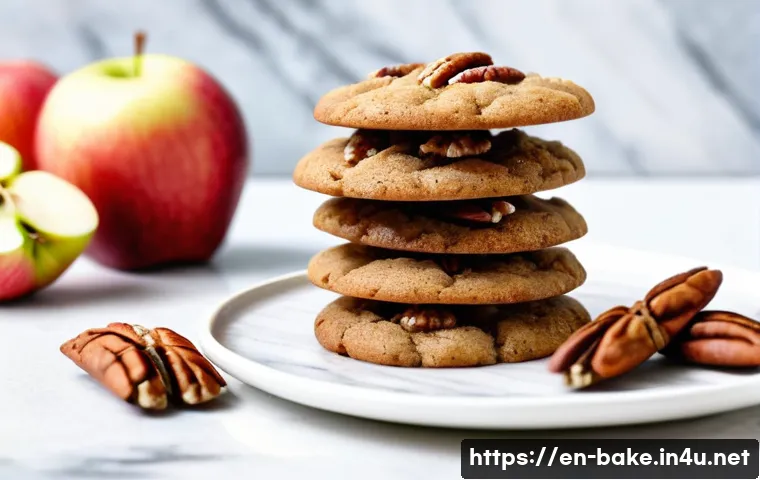
Maintaining freshness is crucial, especially when your baked goods contain nuts and fruits that can go stale or lose their crunch quickly. I store my nut-filled cookies in airtight containers with a slice of bread to help retain moisture without making them soggy.
For fruit-heavy cakes or breads, wrapping them tightly in plastic wrap and refrigerating can prolong shelf life. Freezing is also a great option; just thaw at room temperature before serving to keep textures intact.
Signs of Spoilage and How to Prevent It
Nuts can go rancid if exposed to heat or light for too long, resulting in off flavors. Fruits, especially fresh ones, can ferment or mold quickly if not stored properly.
From personal experience, smelling your nuts and visually inspecting fruits before baking is a must. If you notice any strange odors or discoloration, it’s better to replace them.
To prevent spoilage, buy nuts in smaller quantities and store them in the fridge if you don’t use them often.
Extending Shelf Life with Simple Tricks
Adding natural preservatives like lemon juice or cinnamon to fruit mixtures can help extend freshness while enhancing flavor. Additionally, using honey or maple syrup not only sweetens but also has antimicrobial properties that slow down spoilage.
I’ve tried sprinkling a little salt on nuts before storing to prevent oxidation, which surprisingly works well. These small steps make a big difference in keeping your baked goods enjoyable longer.
Exploring Global Inspirations with Nuts and Fruits in Baking
Classic European Nut and Fruit Treats
From German stollen to Italian panettone, European baking traditions beautifully showcase the use of nuts and dried fruits. These breads often feature candied citrus peels, raisins, and almonds, creating a festive and rich flavor profile.
Baking these recipes taught me the importance of slow fermentation and proper hydration to achieve the characteristic light and fluffy texture despite the dense mix-ins.
It’s an art form that balances patience with precise technique.
Middle Eastern and Mediterranean Influences
Baking from these regions often incorporates pistachios, dates, figs, and orange blossom water, resulting in aromatic and flavorful treats. I’ve enjoyed experimenting with baklava-inspired pastries, layering nuts and honey-soaked phyllo dough for a crisp yet sticky delight.
These recipes highlight how nuts and fruits can create both texture contrast and exotic flavors that feel indulgent yet traditional.
Modern Twists from Around the World
Contemporary bakers are blending classic ingredients with new ideas, like matcha-infused nutty cookies or tropical fruit-studded breads. I recently tried a recipe combining macadamia nuts and dried mango chunks in a sweet bread, which brought an unexpected but refreshing flavor balance.
Exploring these global innovations keeps baking exciting and reminds me how versatile nuts and fruits truly are.
Nutritional Highlights of Popular Nuts and Fruits in Baking
| Ingredient | Key Nutrients | Flavor Profile | Best Baking Uses |
|---|---|---|---|
| Walnuts | Omega-3 fatty acids, antioxidants, protein | Earthy, slightly bitter, crunchy | Cookies, breads, muffins |
| Almonds | Vitamin E, fiber, healthy fats | Sweet, nutty, crisp | Cakes, biscotti, toppings |
| Pecans | Monounsaturated fats, manganese, fiber | Buttery, rich, crunchy | Pies, breads, cookies |
| Dried Cranberries | Vitamin C, antioxidants, fiber | Tart, sweet, chewy | Muffins, breads, granola bars |
| Raisins | Iron, potassium, natural sugars | Sweet, chewy | Breads, cakes, oatmeal cookies |
| Fresh Blueberries | Vitamin C, antioxidants, fiber | Sweet-tart, juicy | Muffins, pancakes, scones |
In Conclusion
Baking with nuts and fruits offers a delightful way to enhance both flavor and texture in your treats. Through simple techniques like toasting nuts and properly preparing fruits, you can elevate your recipes to a new level of deliciousness. Combining these ingredients not only enriches taste but also adds valuable nutrition. Whether you’re aiming for classic or creative bakes, balancing these elements ensures every bite is satisfying and wholesome.
Useful Tips to Remember
1. Toast nuts before adding them to your batter to boost aroma and prevent sogginess.
2. Soak dried fruits briefly to keep them plump and moist during baking.
3. Adjust flour or baking time when adding juicy fruits to maintain the perfect texture.
4. Store nut and fruit baked goods in airtight containers, using tricks like adding a slice of bread to keep moisture balanced.
5. Experiment with different nut and fruit combinations to find unique flavor pairings that excite your palate.
Key Takeaways
Mastering the balance between nuts and fruits in baking requires attention to preparation and ingredient interaction. Toasting nuts and managing fruit moisture are essential steps for ideal texture. Nutritionally, these ingredients enrich baked goods without compromising indulgence. Proper storage is crucial to preserve freshness and flavor. Finally, embracing both traditional and innovative recipes allows you to enjoy a wide range of delicious and healthful baked treats.
Frequently Asked Questions (FAQ) 📖
Q: What types of nuts and fruits work best in baked goods?
A: The best nuts for baking are usually almonds, walnuts, pecans, and hazelnuts because they hold up well under heat and add a satisfying crunch. As for fruits, dried options like raisins, cranberries, apricots, and dates are popular since they distribute evenly without adding too much moisture.
Fresh fruits like blueberries or apples can also be used but might require recipe adjustments to maintain texture. From my experience, combining chopped walnuts with dried cranberries in muffins creates a perfect balance of nutty crunch and fruity sweetness that feels both wholesome and indulgent.
Q: How can I make sure nuts and fruits stay fresh and flavorful in my baked goods?
A: To keep nuts and fruits fresh, it’s crucial to store them properly before baking—nuts should be kept in an airtight container in a cool, dark place or even refrigerated to prevent them from going rancid.
Dried fruits should be kept sealed to avoid moisture. When adding nuts and fruits to your batter, lightly toasting nuts beforehand enhances their flavor and crunch, while tossing dried fruits in a bit of flour helps prevent them from sinking to the bottom during baking.
I’ve found that these small steps really elevate the final taste and texture, making each bite more enjoyable.
Q: Are baked goods with nuts and fruits healthier than regular desserts?
A: Generally, yes. Nuts provide healthy fats, protein, and fiber, while fruits bring antioxidants, vitamins, and natural sweetness, reducing the need for added sugars.
This combination can make your treats more nutritious compared to traditional baked goods loaded with refined sugars and unhealthy fats. However, portion control is key since nuts are calorie-dense.
I personally feel better indulging in desserts that include these wholesome ingredients because they offer a richer nutrient profile without sacrificing flavor, making the experience feel guilt-free and satisfying.