In the crowded world of snacks and sweets, each brand strives to stand out by offering unique flavors, textures, and packaging that resonate with their target audience.
From artisanal chocolates to innovative cookie recipes, differentiation is key to capturing consumer loyalty and driving sales. Understanding how brands carve their niche helps us appreciate the creativity and strategy behind our favorite treats.
Whether it’s through organic ingredients or bold marketing campaigns, these distinctions shape our snacking experiences every day. Let’s dive deeper and uncover what truly sets these confectionery products apart!
Crafting Unique Flavors That Speak to Consumers
Experimentation with Unconventional Ingredients
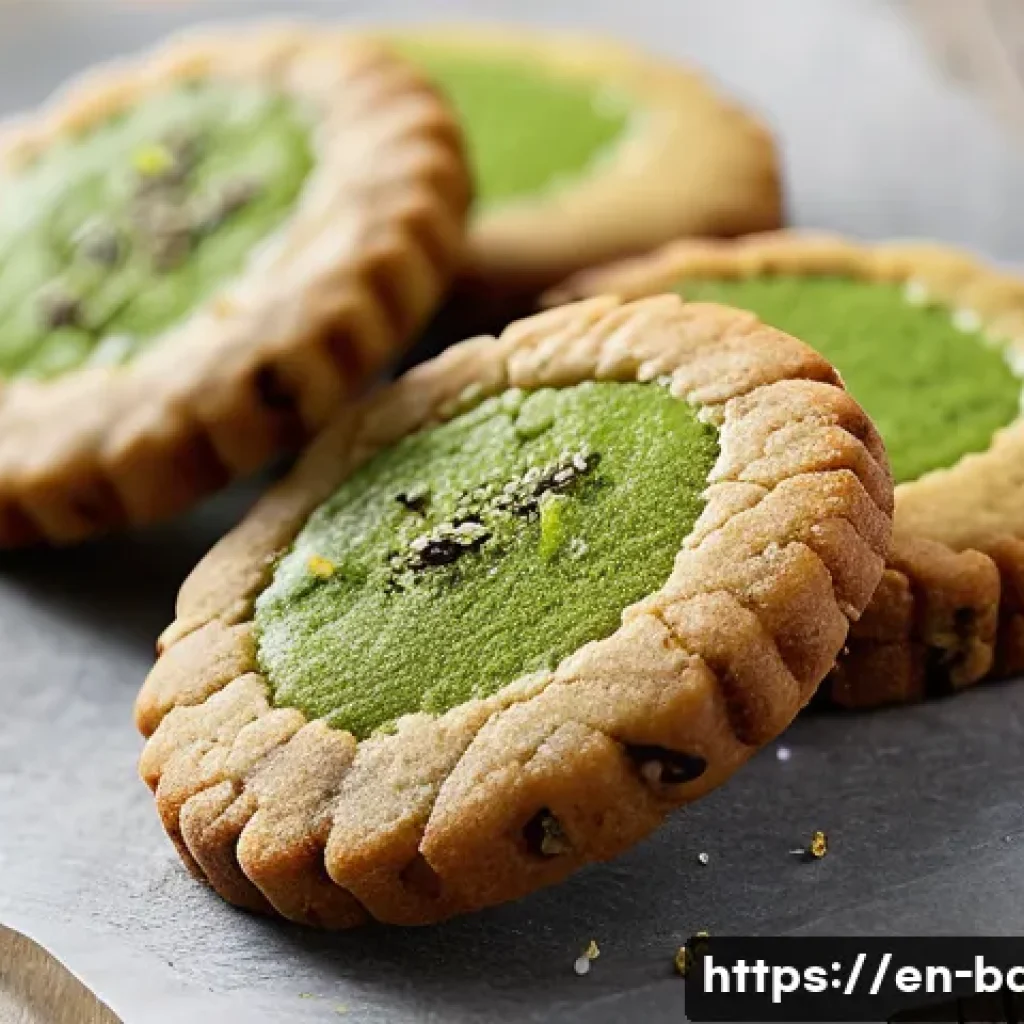
Many brands are stepping outside the traditional boundaries by incorporating unexpected ingredients into their snacks. From sea salt caramel infused with exotic spices to matcha green tea blended into cookies, this trend reflects a desire to surprise and delight consumers.
I’ve personally noticed that these combinations often trigger curiosity and encourage repeat purchases, as people want to discover new taste sensations.
The willingness to experiment not only showcases a brand’s innovation but also creates a memorable eating experience that stands out on crowded shelves.
Balancing Nostalgia with Modern Twists
A clever way brands differentiate themselves is by reimagining classic flavors with a contemporary spin. Take, for instance, the revival of old-fashioned butterscotch or peanut butter treats but with added layers like sea salt crunch or infused herbs.
This approach taps into emotional connections while offering something fresh. I find this strategy particularly effective because it appeals to both older generations craving comfort and younger buyers seeking novelty.
This dual appeal can be a powerful driver of brand loyalty.
Personalization and Limited-Edition Releases
Offering limited-edition flavors or customizable options has become a popular tactic to create exclusivity. Brands might launch seasonal pumpkin spice variants or allow customers to choose mix-ins for their trail mixes.
From my experience, these limited runs generate buzz and urgency, motivating consumers to buy before the opportunity disappears. It’s a smart way to keep the product lineup dynamic and engage a community of snack enthusiasts who enjoy being part of something unique and time-sensitive.
Innovative Textures That Enhance Snacking Pleasure
Contrasting Crispy and Creamy Elements
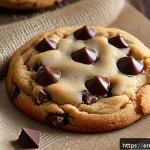
Texture plays a huge role in how we enjoy snacks, and many brands capitalize on this by combining contrasting sensations. For example, a cookie might have a crisp exterior with a gooey, fudgy center, or a chocolate bar may feature crunchy nuts embedded in smooth ganache.
Personally, these textural contrasts make each bite more interesting and satisfying. They create a multisensory experience that keeps you coming back for more, proving that texture innovation is just as important as flavor.
Incorporating Airy and Light Components
Some snacks focus on delivering a light, airy feel, such as aerated chocolates or puffed rice clusters. This approach appeals to consumers looking for indulgence without heaviness.
From what I’ve observed, these textures also give a perception of larger portion sizes, which can be psychologically appealing for snackers trying to balance enjoyment and calorie control.
Brands that master this balance tend to capture health-conscious yet pleasure-seeking audiences.
Chewy and Dense for Satisfying Mouthfeel
On the flip side, there’s a strong market for chewy or dense snacks like protein bars or caramel-filled candies. These textures provide a sense of fullness and prolonged satisfaction.
When I’m craving something substantial, I gravitate toward these types because they feel more like a mini-meal than just a quick treat. Brands that emphasize texture in this way cater well to consumers who want their snack to double as a source of energy or comfort.
Packaging That Captures Attention and Tells a Story
Eco-Friendly and Minimalist Designs
Sustainability has become a huge factor in packaging choices. Many brands now use recyclable materials, biodegradable wrappers, or minimalist designs that reduce waste.
This trend not only appeals to environmentally conscious buyers but also conveys a message of responsibility and care. From my perspective, this kind of packaging creates trust and adds perceived value, as consumers feel they’re supporting ethical practices.
Bold Colors and Playful Typography
Some snack companies opt for vibrant, eye-catching colors and quirky fonts that communicate fun and energy. This visual strategy is particularly effective in grabbing attention on supermarket shelves or online thumbnails.
I’ve noticed that packaging that looks joyful or whimsical often encourages impulse purchases, especially among younger demographics. It’s a visual cue that the product inside is meant to be enjoyed as a treat or mood booster.
Clear Windows and Transparent Packaging
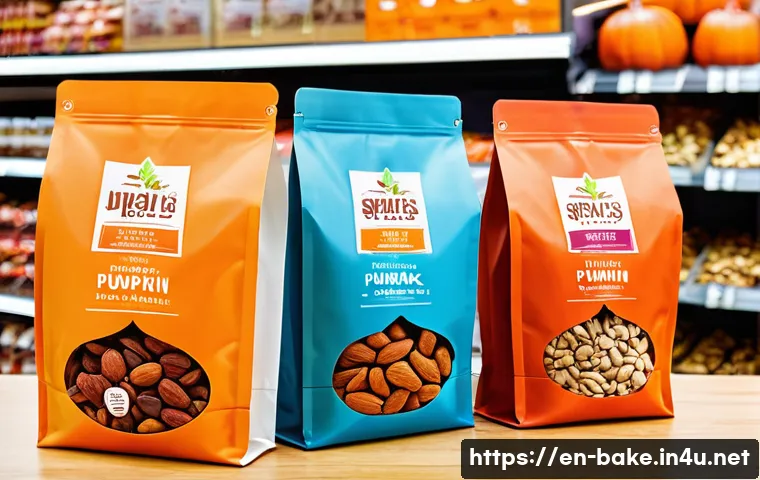
Allowing consumers to see the product before buying has become a smart tactic. Transparent packaging builds confidence by showing the actual texture, size, and quality of the snack.
When I shop, I often prefer products with clear windows because it reduces uncertainty and helps me visualize the eating experience. Brands that embrace transparency often position themselves as honest and customer-focused.
Marketing Approaches That Build Emotional Connections
Storytelling That Highlights Heritage or Craftsmanship
Sharing the origins of ingredients or the artisanal process behind a product can create a strong emotional bond. Brands that tell stories about family recipes or small-batch production tap into consumers’ appreciation for authenticity and tradition.
I’ve found that these narratives make the product feel special and worth trying, elevating it beyond just another snack on the shelf.
Leveraging Social Media and Influencer Collaborations
In today’s digital age, brands often team up with influencers to reach niche communities. Authentic endorsements or behind-the-scenes content can generate excitement and credibility.
From my observations, when influencers genuinely love a product, it translates into higher engagement and sales. This form of marketing feels more personal and less intrusive, which resonates well with modern consumers.
Interactive Campaigns and User-Generated Content
Encouraging customers to share their own photos, recipes, or reviews creates a sense of community around a snack brand. I’ve seen campaigns where users vote for new flavors or participate in challenges, which enhances brand loyalty.
This interactive element transforms passive consumers into active participants, deepening their connection and increasing word-of-mouth promotion.
Health-Conscious Innovations That Don’t Sacrifice Taste
Clean Label and Organic Ingredients
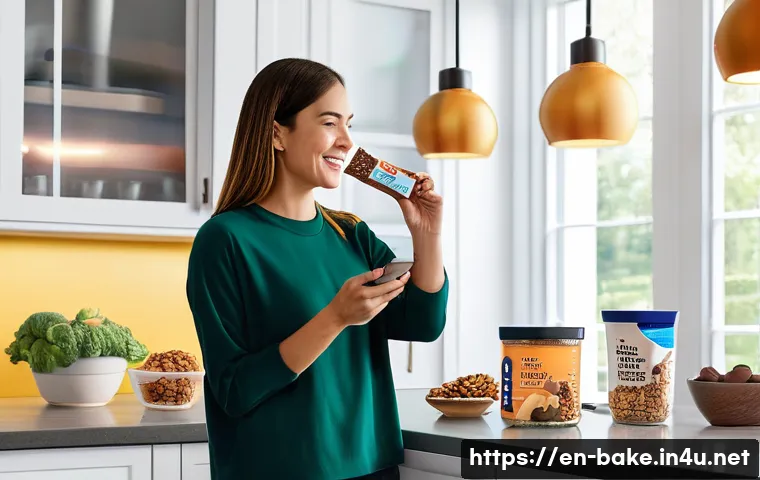
The demand for snacks made from recognizable, natural ingredients has surged. Brands that emphasize organic, non-GMO, or allergen-free components appeal to health-minded buyers.
Personally, I appreciate when a product doesn’t hide behind artificial additives and still manages to taste great. This transparency builds trust and encourages repeated purchases among those prioritizing wellness.
Reduced Sugar and Alternative Sweeteners
Many companies now offer products with less sugar or use natural sweeteners like stevia or monk fruit. This shift caters to consumers who want indulgence without the guilt.
I’ve tried several of these options, and when done right, they deliver satisfying sweetness without the overpowering aftertaste. This balance is crucial for wider acceptance.
Functional Ingredients for Added Benefits
Adding probiotics, fiber, or vitamins turns snacks into functional foods that support overall health. Brands that incorporate these elements appeal to consumers seeking both taste and wellness benefits.
From my experience, snacks with added functional ingredients can serve as convenient supplements, making them a smart choice for busy lifestyles.
How Texture, Flavor, and Packaging Work Together: A Quick Comparison
| Aspect | Brand A | Brand B | Brand C |
|---|---|---|---|
| Flavor Innovation | Exotic spice blends with chocolate | Classic flavors with modern twists | Limited-edition seasonal flavors |
| Texture Focus | Crisp exterior with creamy centers | Light, airy puffed snacks | Chewy, dense protein bars |
| Packaging Style | Eco-friendly minimalist | Bold colors and playful fonts | Transparent windows for product view |
| Marketing Approach | Storytelling of heritage | Influencer collaborations | User-generated content campaigns |
| Health Features | Organic, clean label | Reduced sugar options | Functional ingredients like probiotics |
Seasonal and Cultural Influences on Snack Differentiation
Incorporating Local and Seasonal Ingredients
Brands often draw from regional specialties or seasonal harvests to create limited-time offerings that feel fresh and relevant. For example, pumpkin spice in autumn or citrus flavors in summer can evoke a strong sense of place and time.
I’ve noticed that these seasonal variations can reignite interest in a product line and encourage consumers to check back regularly for new experiences.
Cultural Inspirations and Global Fusion
Drawing inspiration from global cuisines allows brands to introduce exotic flavor profiles that appeal to adventurous eaters. Think of snacks infused with Japanese yuzu, Mexican chili, or Indian cardamom.
These cultural fusions not only diversify the market but also invite consumers to explore new tastes from the comfort of home. Personally, I find this kind of cross-cultural innovation exciting and often seek out these products when I want something different.
Festive Packaging and Limited Editions
During holidays and special occasions, packaging often shifts to reflect the mood—bright reds for Christmas, pastels for Easter, or spooky themes for Halloween.
These visual cues tap into celebratory emotions and can boost impulse buys. I’ve always been drawn to these seasonal packages because they add an extra layer of fun and festivity to the snacking experience.
Leveraging Technology to Elevate the Snacking Experience
Smart Packaging with QR Codes and AR
Some brands incorporate QR codes or augmented reality features on their packaging to provide interactive content, such as recipes, games, or brand stories.
I tried scanning one recently and was impressed by how it deepened my engagement beyond just eating. This tech-savvy approach appeals especially to younger consumers who expect digital integration.
Data-Driven Flavor Development
Using consumer data and AI analytics, companies can tailor new products to emerging preferences and trends. From what I’ve learned, this method increases the likelihood that new snacks will resonate with target audiences.
It’s fascinating how technology behind the scenes can shape what ends up on our shelves.
Online Customization and Direct-to-Consumer Models
Digital platforms allow customers to personalize snacks and order directly from brands, bypassing traditional retail. I’ve noticed this creates a closer relationship between brand and consumer, with faster feedback loops and more tailored offerings.
This shift is changing the way we discover and enjoy snacks, making the process more interactive and personal.
In Closing
Creating unique snack experiences requires a perfect blend of innovative flavors, textures, and engaging packaging. Brands that successfully combine these elements not only capture consumer attention but also build lasting emotional connections. As tastes continue to evolve, staying ahead means embracing creativity while honoring authenticity. Ultimately, it’s about offering more than just a snack—it’s about delivering memorable moments that keep people coming back.
Useful Information to Keep in Mind
1. Experimenting with unexpected ingredients can spark curiosity and encourage repeat purchases by offering fresh taste experiences.
2. Blending nostalgic flavors with modern twists appeals to a wide audience, creating both comfort and excitement.
3. Limited-edition and personalized snack options build urgency and foster a sense of exclusivity among consumers.
4. Packaging that balances eco-friendliness with eye-catching design can enhance brand trust and attract impulse buyers.
5. Leveraging technology, like QR codes and data-driven flavor development, strengthens consumer engagement and product relevance.
Key Takeaways
To stand out in today’s competitive snack market, brands must innovate beyond taste alone by integrating texture, packaging, and storytelling into a cohesive experience. Authenticity and emotional connection remain crucial, while health-conscious choices and technological advancements offer fresh avenues for growth. Successful snack products are those that resonate on multiple levels—sensory, ethical, and personal—ensuring they don’t just satisfy cravings but also build meaningful relationships with consumers.
Frequently Asked Questions (FAQ) 📖
Q: How do snack and sweet brands differentiate themselves in such a crowded market?
A: Brands stand out by offering unique flavor combinations, innovative textures, and eye-catching packaging that appeal directly to their target audience.
Many invest in high-quality or organic ingredients, or create limited-edition products to build excitement. Marketing strategies, like storytelling or collaborations with influencers, also play a huge role in making a brand memorable and distinct from competitors.
Q: Why is differentiation important for consumer loyalty in the snack industry?
A: Differentiation helps consumers form a strong connection with a brand, making them more likely to choose it repeatedly. When a product feels unique—whether through taste, health benefits, or packaging—it creates an emotional bond.
This loyalty not only drives consistent sales but also encourages word-of-mouth recommendations, which are invaluable in such a competitive space.
Q: What role does innovation play in shaping modern confectionery products?
A: Innovation is the heartbeat of today’s snack industry. From incorporating superfoods and plant-based ingredients to experimenting with bold, unexpected flavors, brands constantly push boundaries to meet evolving consumer preferences.
Personally, I’ve noticed that trying new, inventive treats keeps the snacking experience exciting and fresh, which ultimately helps brands maintain relevance and grow their customer base.