Sustainable bakery products rely on practical choices across ingredients, packaging, energy use, and waste reduction. Compare options by total cost, shelf life, food safety, customer expectations, and supplier reliability.
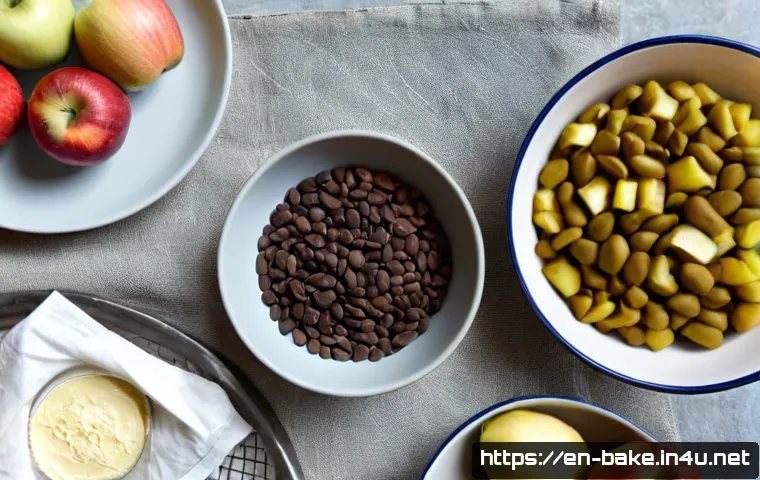
Sustainable bakery products are built on practical decisions that protect food quality while reducing avoidable waste, unnecessary material use, and inefficient operations.
The best starting points are usually unsold-product reduction, packaging that fits the product and local disposal system, and suppliers that can clearly explain their claims.
A higher-priced material is not automatically the more sustainable choice if it causes damage, staling, returns, or customer confusion. Bakery owners and buyers should compare total value: ingredient reliability, shelf life, hygiene, disposal requirements, and operating costs.
Sustainable ingredient sourcing, compostable packaging, and energy-efficient bakery equipment can all be useful, but each needs to match the business model.
The goal is a bakery product that customers can enjoy safely, store properly, and waste less often.
At a Glance
- Reduce unsold inventory first: less surplus can reduce both ingredient waste and disposal costs.
- Match packaging to the product: protection, freshness, hygiene, and local disposal options matter as much as the material label.
- Verify supplier claims: ask for product specifications and check whether environmental claims fit your local system.
| Packaging Option | Potential Strength | Key Suitability Check | Cost and Operational Consideration |
|---|---|---|---|
| Conventional packaging | May provide familiar product protection and handling | Confirm whether it uses more material than the product requires | Compare purchase price with breakage, freshness, and disposal needs |
| Recyclable packaging | Can support material recovery where accepted | Check local recycling acceptance and whether food contamination affects disposal | Consider sorting requirements and customer instructions |
| Recycled-content packaging | May reduce reliance on new material | Verify product specifications, food-contact suitability, and product protection | Compare availability and consistency across orders |
| Reusable packaging | Can reduce single-use material in suitable return systems | Assess collection, cleaning, hygiene, and customer participation | Include handling and system-management demands, not only unit price |
| Compostable packaging | May be appropriate where compatible compost collection exists | Confirm local acceptance and the exact conditions required for disposal | Check whether it protects the bakery item for its realistic shelf life |
What Makes a Bakery Product More Sustainable?
A more sustainable bakery product is not defined by one label or one ingredient. It reflects the full set of practical choices around ingredients, production, packaging, delivery, water use, energy consumption, and food waste. A bakery can make progress by reducing unnecessary inputs while continuing to protect freshness, hygiene, and customer expectations.
The practical pillars: ingredients, production, packaging, delivery, and waste
Ingredient sourcing includes traceability, farming practices, storage, and distribution. Packaging should use no more material than needed while still protecting the product. Production and delivery decisions affect energy use and transport complexity. Waste management matters because unsold goods can represent wasted ingredients, labor, packaging, and disposal capacity.
Why freshness, safety, and product quality still matter
Packaging that uses less material is not automatically the better choice if a pastry dries out, a loaf is damaged, or hygiene is compromised. The usable life of the product is part of the decision. Clear storage guidance and realistic shelf-life planning can also help customers use bakery products before they are wasted.
Three quick actions with the strongest operational relevance
First, review which products are most often unsold and adjust forecasting or batch sizes. Second, test whether current bakery packaging is providing more material than necessary without weakening product protection. Third, ask ingredient and packaging suppliers for clear specifications rather than relying on broad environmental wording.
Compare Ingredients and Packaging by Total Value, Not Labels Alone
Ingredient sourcing: traceability, seasonality, certifications, and supply reliability
Seasonal or regionally sourced ingredients may reduce transport complexity, but distance alone does not establish sustainability. Farming methods, storage, and distribution also matter. A responsible sourcing decision should consider traceability, consistent quality, supply reliability, and the clarity of environmental claims. If a supplier references certifications or lower-impact practices, ask what documentation supports the statement.
Packaging comparison: recyclable, compostable, reusable, and reduced-material options
Recyclable packaging may be a practical choice when the local system accepts it. Compostable packaging requires an equally careful check because acceptance depends on local waste-management infrastructure and the product specification. Reusable systems can work for some cafés or recurring foodservice customers, but they also require safe cleaning, return handling, and customer cooperation. Reduced-material packaging can be effective when it still provides the right barrier, structure, and hygiene protection.
Cost factors to compare: unit price, breakage, shelf life, storage, and disposal
Use a total-cost view rather than comparing packaging or ingredients only by purchase price. Include damage, staling, product returns, storage needs, disposal handling, and the customer experience. A lower-priced option that causes packaging failure may create more waste than a better-fitting option. Likewise, a premium material may not justify additional spend if customers cannot dispose of it through available local systems.
Questions to ask packaging and ingredient suppliers before ordering
Ask what the product is designed to protect, how it should be stored, and whether its claims are verified in product documentation. For packaging, ask whether it is accepted by the waste systems available to your customers. For ingredients, ask about traceability, consistency, storage requirements, and supply continuity. Review samples in real bakery conditions before making a broad operational change.
Reduce Waste and Energy Use Without Compromising Bakery Quality
Production forecasting and batch sizing to limit unsold goods
Forecasting does not need to be perfect to be useful. Track patterns in unsold products, customer demand, and production timing, then consider smaller or better-timed batches where practical. Reducing unsold inventory can lower ingredient waste and disposal costs while helping staff focus on products that are more likely to sell.
Donation, markdown, repurposing, and safe surplus-management policies
A surplus plan can make waste reduction more consistent. Depending on the product and local operating requirements, options may include markdowns, donation, or repurposing within appropriate food-safety practices. The key is to establish realistic handling rules so surplus management does not compromise product quality or hygiene.
Oven loading, refrigeration maintenance, and energy-aware production schedules

Energy-efficient ovens, refrigeration, and production scheduling can affect operating costs alongside environmental impact. Evaluate whether equipment is being used in a way that matches production volume and timing. Maintenance and sensible loading practices can support consistent performance, while refrigeration planning can help avoid unnecessary storage time.
Common mistakes: overproduction, poor labeling, and packaging-product mismatch
Common problems include producing too much before demand is clear, giving customers unclear storage guidance, and choosing “eco” packaging without testing its fit for the specific baked item. A cookie, cream-filled product, bread loaf, and delicate pastry may have very different protection needs. Avoid changing material, storage, and production practices all at once; it becomes harder to identify what affected quality or waste.
Practical Options for Retail Bakeries, Cafés, and Wholesale Producers
Retail counters: display life, takeaway packaging, and customer communication
Retail bakeries should balance display life with takeaway protection. Packaging and labels can guide customers on storage, helping them preserve freshness after purchase. Simple communication about disposal is also useful, but only when the instructions match local recycling or compost collection options.
Cafés and foodservice: portion control, reusable systems, and delivery requirements
Cafés may benefit from reviewing portioning, takeaway packaging, and recurring customer behavior. Reusable packaging can be considered where a workable return and cleaning process exists. For delivery, packaging must protect the product during handling and transport; a lower-material option that fails in transit can increase waste.
Wholesale operations: pallet efficiency, transport protection, and consistent specifications
Wholesale producers need consistent product specifications, reliable packaging supply, and sufficient protection across storage and transport. Packaging choices should be reviewed alongside pallet use, handling conditions, and delivery requirements. Supplier comparison should include the ability to deliver consistent materials, not only a sustainability claim.
Small-batch businesses: where to spend first when budgets are limited
For a small-batch business, start with the clearest operational issue. If unsold goods are the main problem, improve batch planning before paying more for new materials. If products arrive damaged, test packaging fit first. If equipment use is a concern, review oven, refrigeration, and scheduling practices before assuming a major upgrade is required.
Selection Criteria and Comparison Summary
Before choosing sustainable ingredient sourcing, bakery packaging, or energy-efficient bakery equipment, use a simple decision check:
- Product protection: Does the option preserve freshness, structure, and hygiene for the intended selling period?
- Verified claims: Are “recyclable,” “compostable,” or other claims supported by specifications and compatible with local systems?
- Total cost: Have unit price, spoilage, breakage, returns, storage, and disposal been considered together?
- Waste reduction: Will the change reduce unsold goods or unnecessary material in real operations?
- Customer fit: Can customers understand storage and disposal instructions without confusion?
Premium sustainable materials can be worthwhile when they provide dependable protection, support a verified disposal route, and fit customer expectations. A lower-cost change may deliver better results when it prevents overproduction, improves shelf-life planning, or removes unnecessary packaging material. For supplier specifications, packaging disposal requirements, and equipment operating details, check the relevant product and official guidance pages before ordering.
Closing Thoughts
Sustainable bakery products depend on decisions that work beyond the label. Protecting food quality, preventing surplus, and selecting materials that customers can handle correctly are often more useful than making broad claims. Compare suppliers and equipment using the conditions of your own operation, including local disposal infrastructure and product requirements. A practical change that reduces waste reliably can be more valuable than a complicated change that staff or customers cannot maintain.
Useful Things to Know
1. Local recycling and compost collection rules can determine whether a packaging claim works in practice.
2. Shelf-life planning affects both customer waste and bakery waste.
3. Supplier transparency is more useful when it includes product specifications and clear supporting information.
4. Energy use can be influenced by ovens, refrigeration, maintenance, loading, and production schedules.
Important Considerations
The exact environmental impact of any bakery product cannot be determined without lifecycle information covering ingredients, production, packaging, and transport. Specific cost savings also vary by location, energy prices, order volume, supplier contracts, and waste levels. Do not assume that a recyclable, compostable, or carbon-neutral claim is independently verified; confirm the specification and the local waste-management requirements.
Frequently Asked Questions
Q1. Are sustainable bakery products always more expensive?
A1. Not necessarily. Purchase price is only one part of the decision. A change that reduces unsold goods, product damage, spoilage, or disposal needs may offer better total value, while a higher-priced option may not be worthwhile if it does not fit the operation.
Q2. Is compostable packaging better than recyclable packaging for baked goods?
A2. Neither option is automatically better. The right choice depends on product protection, hygiene, shelf life, and whether local recycling or compost collection accepts the material. Check the packaging specification and the disposal system available to customers.
Q3. What is the best first sustainability investment for a small bakery?
A3. Start with the most visible operational source of waste. For many businesses, reviewing unsold inventory, batch sizing, storage guidance, and packaging fit is a practical first step. Equipment upgrades may also be relevant, but their value depends on current use, maintenance, production scheduling, and operating conditions.