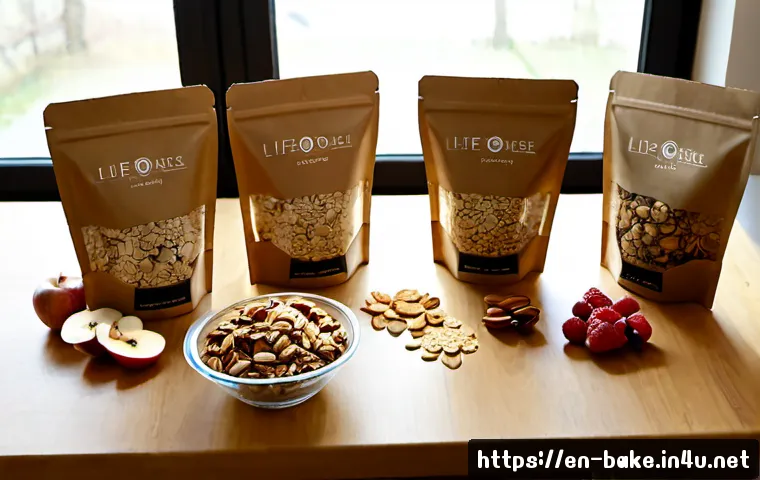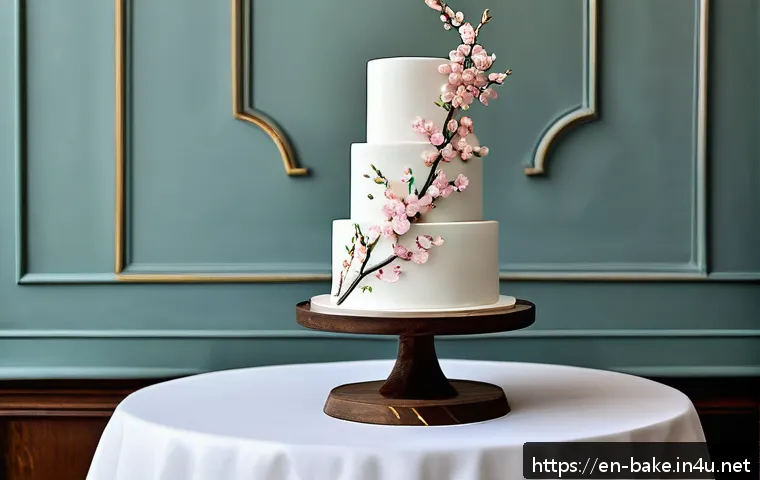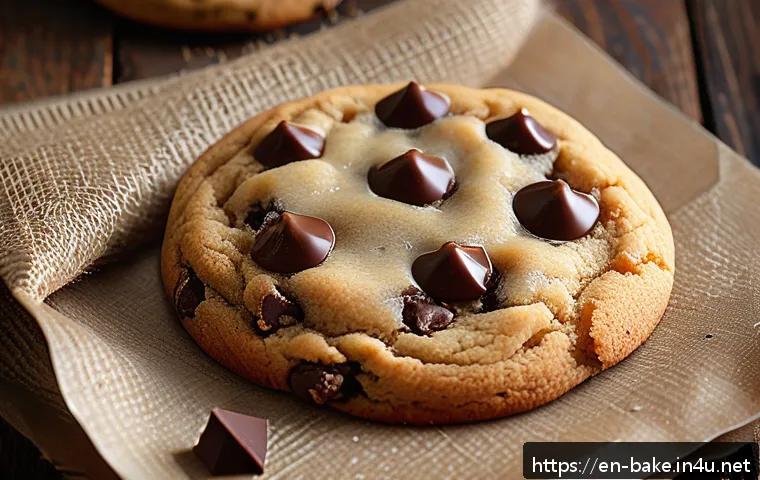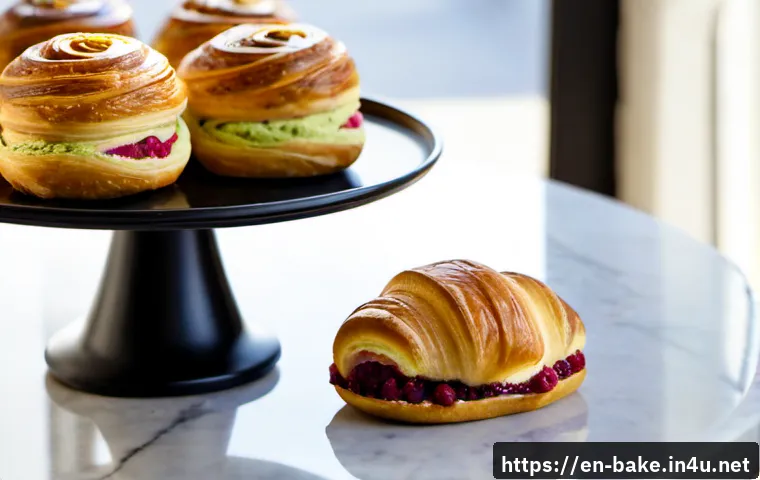
For gifts, choose a visually distinctive pastry that can travel safely in a box; for home baking, start with a format that matches the tools and time you already have.
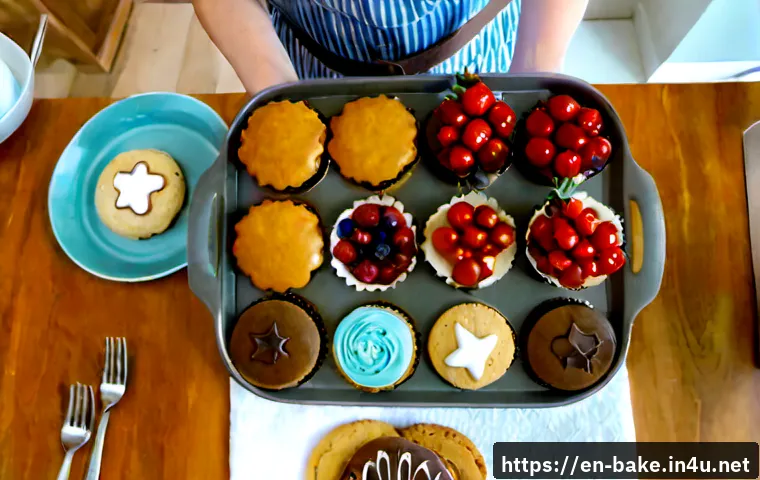
For a café or small bakery, a stable, batch-friendly item is usually a safer menu test than a delicate, heavily filled showpiece. Social-media popularity can help a dessert get noticed, but it does not automatically make it a good repeat purchase.
Compare the filling, finish, portion size, packaging, and serving needs before placing a custom bakery order or buying specialty baking supplies. The best choice depends on the occasion, expected freshness, dietary questions, and how easily the product can be made or delivered.
A polished photo matters, but the eating experience and waste risk matter just as much.
At a Glance
- For gifting: choose a visually clear, individually protected pastry or dessert box that suits the travel distance.
- For home baking: choose a format based on your available oven space, tools, ingredients, and comfort with fillings or decoration.
- For bakery sales: test a small batch first and prioritize consistent portions, packaging, and service speed.
| Pastry format | Relative production effort | Typical equipment considerations | Packaging needs | Value consideration |
|---|---|---|---|---|
| Filled croissants and laminated pastries | Higher | Oven capacity, trays, handling space | Box protection and careful stacking | Strong visual appeal, but freshness and labor need attention |
| Decorated cookies | Moderate | Basic baking tools plus decorating supplies | Individual sleeves or compartment boxes can help | Useful for gifting, bundles, and controlled portions |
| Celebration cakes | Moderate to high | Pans, cooling space, decorating tools | Rigid cake box and stable transport | Best when the occasion supports a statement centerpiece |
| Dessert boxes | Varies by assortment | Depends on the items included | Compartments, inserts, labels, and secure closure | Flexible for sampling, gifting, and menu testing |
Which Social-Media Pastries Are Worth Considering?
Quick answer: choose by occasion, freshness needs, and budget
A pastry is worth considering when its appearance, flavor, handling, and total order cost fit the actual purpose. A gift for someone across town needs different packaging from a dessert served immediately at a café table. A home baker may prefer a simpler cookie or dessert box format, while a special event may justify a more detailed custom bakery order.
Before deciding, ask what the recipient or customer will value most: a dramatic reveal, a familiar flavor, individual portions, or easy sharing. This prevents paying extra for a feature that does not improve the occasion.
Why visual popularity does not always equal repeat-purchase value
Highly photographed desserts often rely on contrast: glossy toppings, dramatic filling pulls, tall layers, or bold decoration. Those qualities can create attention, but they may also make transport, storage, and portioning more complicated. A product that looks impressive in one photo may be inconvenient in a delivery bag or difficult to eat without a plate.
For a repeat order, customers often remember whether the pastry arrived in good condition, tasted balanced, and was easy to share. Visual impact is valuable, but it should work alongside a practical serving experience.
The difference between a one-time viral treat and a reliable bestseller
A one-time treat can be a smart choice for a birthday, launch party, or social gathering where novelty is the point. A reliable bestseller is more likely to have a clear process, manageable ingredient sourcing, and packaging that suits regular service. Small bakery operators should separate a limited test item from a core menu item rather than assuming a popular format will sell steadily.
Compare Trend-Led Pastries Before You Buy or Make Them
Filled croissants, laminated pastries, cookies, cakes, and dessert boxes
Filled croissants and laminated pastries can create a premium bakery counter look, especially when the filling or finish is visible. They can also require careful timing because texture and presentation may change after baking or filling. Cookies are often easier to portion, package, and combine into gift sets. Cakes work well as a centerpiece but need a clear plan for pickup, delivery, and serving. Dessert boxes let buyers sample several items, though every component should be suitable for the same storage and delivery plan.
Visual impact, flavor consistency, portability, and shelf-life comparison
Use four simple questions. Will the item still look intentional after transport? Can each portion taste consistent? Does it need to be eaten immediately or served with cutlery? Can the recipient store it as instructed? These answers matter more than a trend label.
Products with loose toppings, fragile layers, or soft fillings may require more protective packaging. Products intended for sharing may need portion markers, liners, or a box that prevents movement. Always request or provide storage and serving instructions when they are relevant.
When premium fillings, specialty chocolate, and custom packaging add value
Premium ingredients may add value when their flavor is noticeable and fits the product’s positioning. Specialty chocolate, distinctive fillings, or a carefully chosen garnish can support a higher-end gift or café presentation, but only if the final pastry remains easy to handle and enjoyable to eat.
Custom packaging is most useful when it protects the dessert, clarifies the occasion, or improves the unboxing experience. For a local bakery order, compare the pastry details and the packaging options together instead of treating the box as an afterthought.
Cost and Value Factors for Home Orders and Small Bakery Menus
Ingredient quality, labor time, equipment, and packaging costs
The visible ingredient is not the only cost factor. Consider the labor involved in shaping, filling, decorating, cooling, boxing, and cleaning up. Equipment can also affect the decision: a format that needs more tray space, specialty tools, or careful temperature control may not suit every home kitchen or bakery workflow.
For menu planning, calculate value beyond the ingredient list. Production time, waste risk, portion consistency, and packaging supplies all affect whether a product is practical to repeat.
Ordering from a local bakery versus making a small batch at home
A local custom-order bakery can be a practical option when the design is important, the event is time-sensitive, or the product requires skills and equipment you do not have. Ask about pickup or delivery conditions, batch size, ingredient questions, and made-to-order lead time before confirming.
Home baking may be the better route when you want to test flavors, control the presentation, or make a casual small batch. Compare baking tools, ingredient availability, and packaging options before choosing a complex format just for its online appeal.
Portion size and bundle design for gifts, cafés, and events
Portion design changes the value proposition. Individual pieces may suit office gifts and café grab-and-go sales. A mixed dessert box can suit sharing and give customers a lower-commitment way to try several flavors. For events, confirm how the dessert will be displayed, served, and replenished so the format matches the venue and guest flow.
Common Mistakes With Viral Dessert Products
Choosing a product that is difficult to transport or serve
Do not choose a pastry solely because it photographs well. Check whether it needs refrigeration, a level carrying surface, cutlery, or immediate serving. A beautiful item that arrives damaged can undermine the whole purchase.
Ignoring allergens, storage instructions, and made-to-order lead times
Ask directly about ingredients, allergens, cross-contact practices, storage, and freshness guidance when these points matter to the buyer or guest. Dietary suitability cannot be assumed from appearance or a product name. For custom orders, confirm lead times and any pickup or delivery requirements early.
Overproducing a trend before testing customer demand
For cafés, pop-ups, and small bakeries, begin with a limited batch or short menu test. Watch which item customers actually reorder, not only which one receives attention. Keep the first launch operationally simple enough that staff can maintain quality during a busy service.
Choose the Right Format for Your Occasion
Best considerations for dessert gifts and celebrations
Choose a pastry with a clear visual identity, secure presentation, and a serving format that fits the recipient. A boxed assortment can be easier to share than a single fragile centerpiece. If the dessert is being delivered, prioritize protective packaging and clear handling instructions.
Best considerations for casual home baking
Start with the format that fits your confidence level. Cookies and simple dessert assortments may offer more room for experimentation than a pastry that depends on precise shaping, filling, or finishing. Buy baking supplies that support the specific batch you plan to make, rather than collecting specialty equipment for one photo-driven idea.
Best considerations for cafés, pop-ups, and small bakery launches
Select items that can be portioned consistently, held appropriately, and served without slowing the counter. A visually striking limited item can bring attention, while a more stable product can support daily sales. Consider whether the item works as an add-on, a boxed gift, or part of an event catering assortment.
Selection Criteria and Comparison Summary
Choose a final option by checking occasion, transport, freshness needs, ingredient and allergen information, portion format, and reorder potential. Statement pastries may suit gifting and social sharing; stable, batch-friendly items may be a stronger fit for routine café sales. Compare local bakery order details, baking tools, and packaging options on the relevant product or service pages before making a purchase decision.
Final Thoughts
The most popular-looking pastry is not automatically the best value. A good choice fits the recipient, the route from kitchen to table, and the level of effort you can realistically manage. For sellers, small tests and clear product handling can be more useful than chasing every new visual format. For buyers, a few direct questions before ordering can protect both the dessert and the occasion.
Useful Information to Keep in Mind
1. Ask how the dessert should be stored and served.
2. Check whether packaging is included and suitable for transport.
3. Confirm ingredient and allergen details directly with the bakery or maker.
4. Match the order size to the number of guests and the serving plan.
5. Treat a new trend as a test before making it a regular menu item.
Important Considerations
Pastry trends, local availability, seasonal demand, retail pricing, ingredient costs, and freshness duration can vary widely. A specific product may also have naming, branding, or reproduction considerations that should be checked before commercial use. Always confirm current order terms, dietary information, delivery conditions, and product suitability with the relevant bakery, supplier, or packaging provider.
Frequently Asked Questions
Q1. Which social-media pastry products are best for dessert gifts?
A1. Gift-friendly options are usually visually appealing, securely packaged, and easy to share or portion. Dessert boxes, protected cookies, and appropriately boxed celebration pastries can work well when the storage and delivery plan is clear.
Q2. Are viral pastries usually more expensive than standard bakery items?
A2. Not always, but a trend-led item may involve extra labor, specialty ingredients, detailed decoration, or custom packaging. Compare what is included in the order and whether the visual or gifting value matters for your occasion.
Q3. What should a small bakery check before adding a trending pastry to its menu?
A3. Check production steps, equipment needs, ingredient sourcing, portion consistency, packaging, storage guidance, likely waste, and customer demand. A limited test batch can help assess whether the product works in the bakery’s real service conditions.