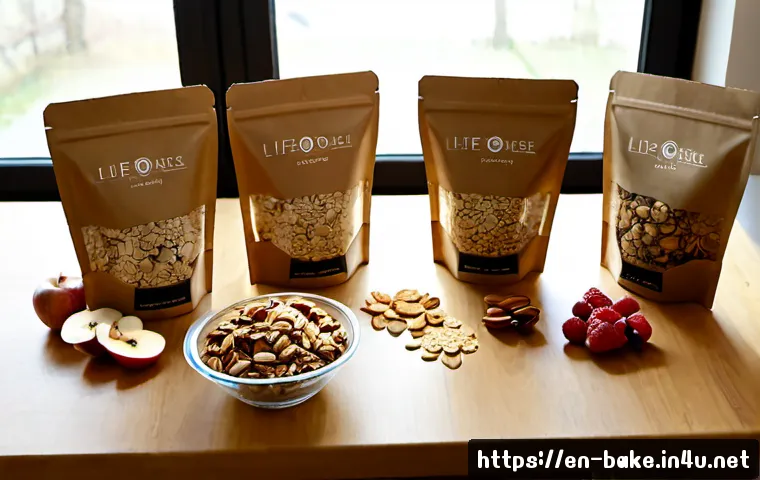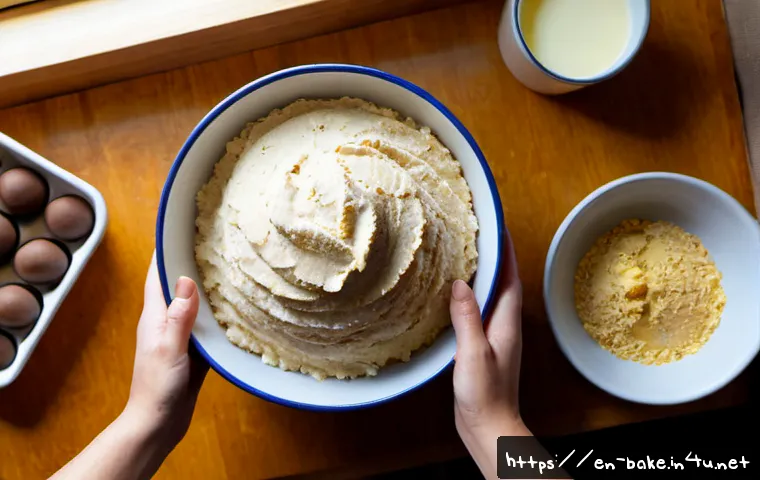
For dependable gluten-free cookies, start with an all-purpose gluten-free flour blend, check whether it already contains xanthan gum, and chill soft dough when spreading is a concern.
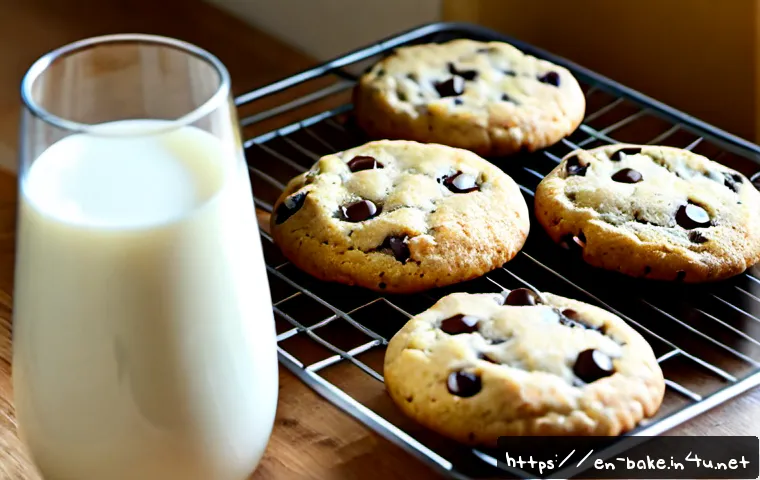
Measure flour by weight whenever possible, because gluten-free blends can behave differently from one package to another. A ready-made blend is usually the simplest choice for home bakers who want a repeatable first batch.
Almond flour, oat-based flour, and starch-heavy blends can also work, but each changes texture, handling, and likely cost per batch. Compare package yield and ingredient labels rather than choosing solely by the shelf price.
If you are baking for celiac disease or a wheat allergy, label checks and cross-contact precautions matter as much as the recipe itself.
At a Glance
- Best starting point: Use an all-purpose gluten-free flour blend for the most straightforward dough handling.
- Binder check: Add xanthan gum only after checking whether the commercial flour blend already includes it.
- Spread control: Chill soft dough before baking when cookies are likely to flatten too much.
| Flour Option | Expected Cookie Texture | Important Label Check | Relative Batch Cost |
|---|---|---|---|
| All-purpose gluten-free blend | Often the closest starting point for familiar cookie texture; results vary by blend | Check for included xanthan gum or another binder | Varies by package yield and brand |
| Almond flour blend | Tender, richer, and often softer | Review allergy information and the full ingredient list | May differ from standard blends depending on local store pricing |
| Oat-based flour option | Can give a more rustic, oatmeal-style character | Oats must be specifically labeled gluten-free when needed | Compare usable yield, not package price alone |
| Starch-heavy blend | May encourage a lighter or crisper result, depending on the formula | Check whether a binder is included | Compare the amount needed for one batch |
The Reliable Starting Method for Gluten-Free Cookies
Three Quick Rules for Texture, Structure, and Spread
Gluten normally gives wheat-based cookie dough structure and elasticity. Without it, a gluten-free cookie recipe depends more heavily on the balance of flour, starch, fat, moisture, and a binder when one is needed. For a reliable first attempt, use one flour blend consistently, measure it by weight, and chill dough that feels very soft or sticky.
A change in flour blend can affect chewiness, crispness, and spreading even when the rest of the ingredients stay the same. Treat the flour label as part of the recipe, not as a minor swap.
A Flexible Ingredient Framework Before Choosing Flavors
Build the dough around a gluten-free flour blend, fat, sweetener, an egg or suitable alternative, and flavor ingredients such as chocolate chips, vanilla, or spices. The exact formula will vary, but the practical goal remains the same: make a dough that portions cleanly and holds together before baking.
If the dough is unusually loose, chilling can make portioning easier and may reduce excessive spread. If it is dry and refuses to hold together, avoid adding ingredients at random. First confirm the flour measurement and check whether the blend calls for a binder.
When a Standard Recipe Can Be Adapted—and When It Should Not Be
A conventional cookie recipe may be adaptable when the flour is the main gluten-containing component and the recipe has a forgiving cookie style. However, a direct cup-for-cup swap is not guaranteed. Gluten-free flour blends differ in starch, protein, and added binders, so a recipe designed around wheat flour may need testing.
For the least guesswork, begin with a recipe written for a gluten-free flour blend or use a ready-made blend whose usage guidance matches your baking goal.
Choose the Right Flour Blend for Your Budget and Texture Goal
All-Purpose Gluten-Free Blends: The Easiest Option for First Batches
An all-purpose gluten-free flour blend is often the most convenient choice when consistency matters. It reduces the need to buy and combine several individual flours, which can simplify shopping and storage. Read the package carefully, especially for binder information and suggested uses.
Almond Flour, Oat Flour, and Starch-Heavy Blends Compared
Almond flour blends can produce a tender, richer cookie, while oat-based options can suit oatmeal-style flavors. Oats are not automatically appropriate for a gluten-free diet; choose oats or oat flour specifically labeled gluten-free when strict preparation is required.
Starch-heavy blends may behave differently in the oven and can affect crispness or spread. No single option is automatically best. Choose according to the texture you want, dietary needs, and how much testing you are willing to do.
Check Whether Xanthan Gum Is Already Included
Xanthan gum is commonly used as a binder in gluten-free baking, but many commercial blends already contain it. Adding more without checking may change the dough in an unwanted way. Review the ingredient panel before purchasing a separate binder or adjusting a recipe.
Cost per Batch Versus Package Price: How to Compare Value
A premium gluten-free flour blend may be worth considering if it reduces failed batches and gives you a texture you can repeat. Still, the shelf price alone does not show value. Compare the package yield, the amount required for your planned cookie recipe, and whether you must also buy xanthan gum or extra individual flours.
When comparing gluten-free baking ingredients, look at how many batches a package can support, not just the price printed on the shelf.
Step-by-Step Mixing and Baking Process
Measure by Weight for More Predictable Dough
Measuring flour by weight generally improves repeatability compared with relying only on cups. This is particularly helpful with gluten-free flour, since blends can settle differently in a bag or container. Use the same method every time you test a recipe so that changes are easier to identify.
Mix Wet and Dry Ingredients Without Overworking the Dough
Combine dry ingredients evenly before incorporating them into the wet mixture. Mix until the dough comes together and the flour is no longer visibly uneven. Gluten-free dough does not develop gluten structure, but excessive handling can still make it harder to judge moisture and consistency.
Portion, Chill, and Bake for Controlled Spreading
Portion the dough as evenly as possible so cookies bake more consistently. If the dough is soft, sticky, or difficult to scoop, chill it before baking. Chilling can reduce spreading and makes soft gluten-free dough easier to handle.
Oven accuracy, humidity, cookie size, substitutions, and the flour blend can all change bake time and spread. Watch the cookies rather than relying on a result from a different kitchen.
How to Tell When Cookies Are Done Without Overbaking
Look for the visual cues intended by your recipe, such as set edges or a surface that no longer appears wet. Gluten-free cookies can continue to firm as they cool. Removing them too late may lead to a drier result, so allow cooling time before judging the final texture.
Avoid Dry, Gritty, Flat, or Crumbly Results
Fixing Dough That Will Not Hold Together
Crumbly dough can result from an unsuitable flour balance, an inaccurate flour measure, or insufficient binding for that specific blend. Confirm the weight measurement first. Then check whether the recipe and flour blend expect xanthan gum or another binding approach.
Reducing Excessive Spread

If cookies spread too much, chill the dough and verify that the flour blend was measured consistently. A blend with different starch or binder content may spread differently from the one used in a recipe test. Avoid assuming that every gluten-free flour is interchangeable.
Preventing a Sandy or Gritty Bite
A gritty texture may be linked to the flour blend or how the ingredients hydrate. Use a blend suited to cookies, mix dry ingredients evenly, and give chilled dough time to rest when your recipe calls for it. If the issue continues, test a different commercial gluten-free flour blend rather than repeatedly changing several variables at once.
Storage Tips for Soft Versus Crisp Cookies
Cool cookies fully before storing them. Texture can change after cooling, so separate soft and crisp styles if you are baking more than one variety. Storage results will depend on the recipe, moisture level, and ingredients used.
Adapt the Method for Different Dietary and Kitchen Needs
Egg-Free and Dairy-Free Substitution Considerations
Gluten-free does not automatically mean egg-free, dairy-free, nut-free, or suitable for every allergy requirement. Egg and dairy substitutions can change moisture, binding, and spread, so they should be tested as part of the whole recipe rather than treated as invisible swaps.
Chocolate Chip, Sugar Cookie, and Oatmeal-Style Variations
Chocolate chip cookies often benefit from dough that can hold inclusions without falling apart. Sugar cookie styles may need controlled spreading for cleaner shapes. Oatmeal-style cookies require special attention to oat labels when a strict gluten-free result is needed.
Cross-Contact Precautions for Strict Gluten-Free Baking
For someone with celiac disease or a wheat allergy, check ingredient labels and kitchen tools for possible cross-contact. Review flour containers, measuring tools, baking sheets, mixing bowls, and shared work surfaces. A gluten-free label does not automatically address every individual tolerance or allergy concern.
Selection Criteria and Comparison Summary
Choose a Ready-Made Blend for Convenience and Consistency
Choose a ready-made blend when consistency matters, when you are new to gluten-free baking, or when you prefer fewer specialty ingredients in the pantry. Check the ingredient panel for xanthan gum and compare how much flour the package provides for your usual batch size.
Choose Individual Flours for Recipe Control and Repeat Baking
Choose individual flours when you want closer control over texture and plan to bake the same style often enough to test and refine it. This approach may offer more flexibility, but it also requires more careful measuring and more ingredient comparisons.
Final Shopping Checklist: Labels, Yield, Binder, and Total Batch Cost
Before buying, check these points:
- Is the flour blend intended for general gluten-free baking or a specific use?
- Does it already contain xanthan gum or another binder?
- Will the package cover the number of cookie batches you plan to make?
- Do the labels meet your gluten-free, allergy, or cross-contact requirements?
- Will you need additional specialty ingredients to make the recipe work?
Compare package yield, not shelf price alone. For current ingredients, allergen statements, and usage details, check the product label and the manufacturer’s official product information before choosing a gluten-free flour blend.
Closing Thoughts
Reliable gluten-free cookies come from controlling a few basic variables rather than chasing a perfect universal flour. Start with a blend that matches your goal, measure carefully, and check the binder before making changes. Chilling is a practical tool when dough is soft or cookies tend to spread. Once you find a combination that works in your kitchen, repeat it before experimenting with multiple substitutions.
Useful Things to Know
1. A gluten-free flour blend can change cookie texture even when every other ingredient stays the same.
2. Weight-based flour measurement makes later troubleshooting easier.
3. Specifically labeled gluten-free oats are important when strict gluten-free preparation is required.
4. Ingredient labels should be reviewed for binders, allergens, and cross-contact considerations.
Important Notes
Cookie texture, spread, and bake time can vary with the flour blend, oven accuracy, humidity, cookie size, and substitutions. Ingredient prices, package sizes, and gluten-free certification availability also vary by store and region. A gluten-free label should not be treated as a complete answer for every allergy or dietary tolerance, so confirm individual product details when needed.
Frequently Asked Questions
Q1. What is the best gluten-free flour for cookies that taste close to regular cookies?
A1. An all-purpose gluten-free flour blend is usually the easiest starting option because it is designed to replace multiple flour components. Results still vary by blend, so check whether it includes xanthan gum and test the same blend consistently before changing brands.
Q2. Is a more expensive gluten-free flour blend worth it for occasional home baking?
A2. It can be worth considering when it offers a more dependable result or avoids the need for extra binders and separate flours. Compare the number of batches the package can make, the ingredients you would otherwise need to buy, and your preferred cookie texture rather than judging by shelf price alone.
Q3. Why do my gluten-free cookies crumble or spread too much?
A3. Common causes include differences in flour blend starches or binders, inaccurate flour measurement, and dough that is too soft to hold its shape. Measure flour by weight, check whether a binder is already included, and chill soft dough before baking.