
Oh, hey there, snack enthusiasts! You know, I’ve always been fascinated by what goes into our favorite munchies. It’s not just about the crunch or the flavor – it’s about the magic behind the scenes, specifically those key ingredients that make all the difference.
I mean, who hasn’t stared at a bag of chips or a protein bar and wondered, “How did they *do* that?” Lately, with everyone becoming so much more health-conscious and planet-aware, it feels like the world of snack ingredients is absolutely buzzing with innovation, and honestly, it’s pretty exciting to watch!
From what I’ve been seeing, and from my own deep dives, consumers are really leaning into snacks that offer more than just a quick fix; they’re looking for real nutritional value, sustainability, and unique experiences.
We’re talking about everything from clever plant-based alternatives to ancient grains, and even ingredients that boast functional benefits like boosting gut health or reducing stress.
It’s a whole new ballgame out there, where transparency in sourcing and clean labels aren’t just buzzwords, but actual demands. When I grab a snack now, I find myself thinking about where those ingredients came from, how they support my well-being, and if they’re kind to the environment.
It truly makes you appreciate the thought that goes into crafting that perfect bite! If you’re as curious as I am about what makes these modern snacks tick, and how manufacturers are meeting these evolving expectations, you’re in for a treat.
Let’s dive deeper into the essential ingredients shaping the future of snack manufacturing.
The Green Revolution in Snacking: Plant-Powered Goodness
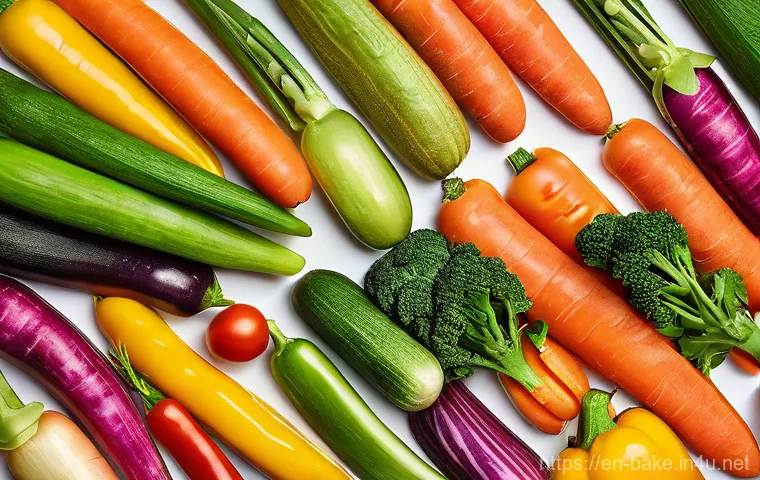
Okay, so let’s kick things off with something that’s been *everywhere* lately – the massive surge in plant-based ingredients. Seriously, it feels like every other new snack I pick up has some amazing veggie-centric twist! For years, we were stuck with pretty basic options if you were trying to eat plant-based, but now? The innovation is just mind-blowing. Manufacturers are getting super clever with things like pea protein, chickpea flour, and even different types of mushroom extracts to create snacks that aren’t just good for you, but genuinely delicious. I’ve personally tried some “cheese” puffs made from nutritional yeast and cashew flour that tasted so authentic, I had to double-check the label! This isn’t just about vegans anymore; it’s about everyone looking for healthier alternatives and ways to reduce their environmental footprint. The texture and flavor profiles these new ingredients offer are simply leagues beyond what we had just a few years ago. It’s a testament to how creative food scientists are becoming, really pushing the boundaries of what a snack can be, without compromising on that satisfying crunch or savory kick we all crave. And let’s be honest, it feels pretty good knowing your afternoon pick-me-up is doing a little bit of good for the planet too, right? It’s a win-win in my book.
The Rise of Alt-Proteins and Flours
Beyond the obvious plant powerhouses like soy and almond, we’re seeing a whole new league of alternative proteins and flours entering the snack game, and honestly, I’m here for it! Think about the humble lentil or black bean – once confined to soups and stews, they’re now starring in crunchy crisps and protein-packed bars. I recently stumbled upon some amazing snack thins made from upcycled vegetable pulp, and not only were they incredibly tasty, but the idea of reducing food waste while creating something delicious just hit different. Then there’s the whole insect protein conversation, which, I know, might sound a little out there for some, but it’s incredibly sustainable and nutrient-dense. While it hasn’t quite hit the mainstream in all markets, forward-thinking brands are definitely exploring it. Even more common ingredients like chickpeas and peas are being processed in novel ways to create highly functional flours and isolates that contribute not just protein, but also fiber and a satisfying mouthfeel to chips, pretzels, and baked goods. It’s no longer about just replacing animal products; it’s about actively enhancing the nutritional profile and sustainability of our everyday snacks.
Unexpected Veggie Heroes
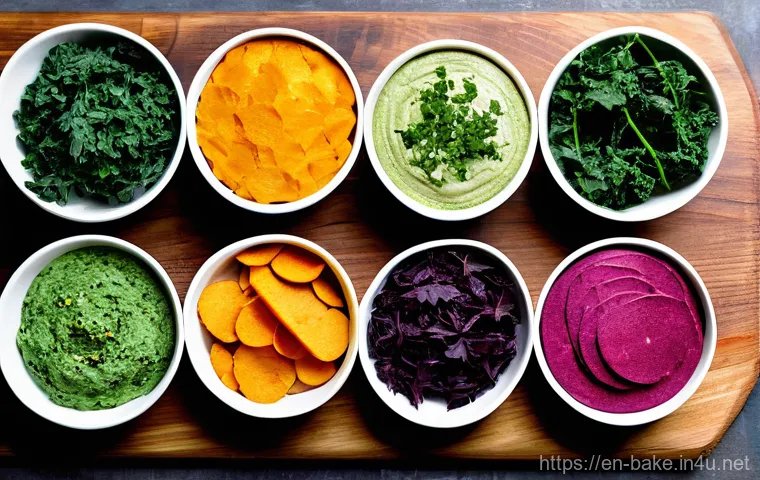
Who knew carrots, beets, and kale could be so cool in snack form? Seriously, I remember a time when getting kids (or even some adults!) to eat their veggies was a battle. Now, these vibrant vegetables are being transformed into surprisingly appealing snack stars. We’re talking crispy beet chips that offer an earthy sweetness, crunchy kale snacks dusted with savory spices, and even carrot-based crackers that are packed with vitamins. It’s not just about drying or baking them anymore; new technologies are preserving more of their natural nutrients and vibrant colors. I’ve seen some innovative companies using vacuum frying to create lighter, crispier veggie chips that retain a lot of their original character without being greasy. What really excites me is how these innovations are making healthy eating feel less like a chore and more like an exciting culinary adventure. It’s like, who needs a boring old potato chip when you can have a sweet potato crisp that’s just as satisfying, if not more so? It’s truly changing how we perceive “healthy” snacks, making them genuinely desirable.
Beyond Basic Bites: Functional Foods for a Fitter You
If you’re anything like me, you’re always looking for ways to get a little extra goodness into your day without even trying. And that’s exactly where functional snack ingredients come in! This trend is absolutely exploding, moving beyond just vitamins and minerals to include things that actively support specific health goals. I’ve been seeing everything from snacks designed to boost your brainpower with adaptogens to those promising better gut health with probiotics. It’s like our snacks are becoming our secret wellness weapons! I mean, who would’ve thought your afternoon pick-me-up could also help manage stress or improve your digestion? This shift really reflects a growing consumer desire for foods that do more than just fill you up; they want products that contribute positively to their overall well-being. And honestly, it feels good to grab a snack that you know is working a little extra hard for you, doesn’t it? It’s definitely a game-changer in how I approach my own snacking habits.
Adaptogens and Nootropics: The Brainy Bites
Get ready for snacks that literally make you smarter or calmer! Okay, maybe not *smarter* overnight, but the inclusion of adaptogens and nootropics in snacks is a fascinating development. Adaptogens, like ashwagandha, reishi mushrooms, and rhodiola, are all about helping your body manage stress. I’ve been trying some energy bars lately that incorporate cordyceps, and I swear I feel a subtle, sustained boost without the jitters you get from too much caffeine. Then there are nootropics – ingredients aimed at supporting cognitive function. We’re talking about things like lion’s mane mushroom for focus, or L-theanine (often found in green tea) for a calm alertness. It’s no longer just about getting your omega-3s for brain health; it’s about specific compounds that can genuinely make a difference in how you feel and perform. Snack manufacturers are skillfully blending these powerful botanicals and compounds into everything from functional beverages to granola bars, making it easier than ever to integrate these wellness aids into our daily routines. It’s pretty amazing to think your mid-afternoon cookie could actually be doing some heavy lifting for your mental clarity!
Digestive Harmony: Prebiotics, Probiotics, and Fiber
Let’s talk gut health, because seriously, it’s the foundation of everything! I’ve become a huge advocate for snacks that incorporate ingredients known to support a happy digestive system. This isn’t just a fleeting trend; it’s a fundamental shift in how we view food. We’re seeing more and more snacks fortified with prebiotics, like inulin or chicory root fiber, which act as food for the beneficial bacteria in your gut. Then there are the probiotics, the live beneficial bacteria themselves, showing up in things beyond yogurt – think crunchy granolas or even certain types of chips that have gone through specialized processing to keep the cultures alive. And of course, good old fiber continues to be a superstar, but now it’s often sourced from novel places like resistant starches or various plant fibers, adding texture and satiety. When I grab a snack now, I’m actively looking for these ingredients, knowing that they’re not just satisfying my hunger but also contributing to my overall gut flora balance. It’s incredibly empowering to know that something as simple as a snack can play a role in supporting my long-term health, and it truly makes me feel more energized throughout the day.
Sweetening the Deal: Natural Alternatives Taking Over
Remember when “sugar-free” meant a weird aftertaste and a whole lot of artificial stuff you couldn’t pronounce? Oh, how times have changed! The move towards natural sweeteners has been a huge game-changer in the snack world, and for good reason. Consumers are actively trying to reduce their sugar intake, but nobody wants to sacrifice that sweet satisfaction. So, manufacturers are getting super creative, moving beyond just stevia (though that’s still popular!) to explore a whole host of plant-derived options that offer a cleaner taste profile and often some added benefits. I’ve personally been experimenting with a few new snack brands that use monk fruit, and I’m genuinely impressed with how clean and natural the sweetness feels, without any of that cloying artificiality. It’s all about providing that indulgent experience without the guilt, and I think they’re really nailing it now. This shift isn’t just about health; it’s about better taste and a more wholesome ingredient list, which, let’s be honest, makes us all feel a little better about reaching for that cookie.
Monk Fruit and Stevia: The Dynamic Duo
When it comes to natural, zero-calorie sweeteners, monk fruit and stevia have absolutely dominated the scene, and for good reason! Both are plant-derived and offer a way to sweeten foods without the added calories or glycemic impact of traditional sugar. I’ve found that different brands really excel at formulating snacks with these, sometimes using them in combination to achieve a more balanced sweetness profile that truly mimics sugar. Stevia, derived from the *Stevia rebaudiana* plant, has been around for a while, and its use has become incredibly sophisticated, reducing that slight licorice-like aftertaste it sometimes had. Monk fruit, extracted from luo han guo fruit, offers a very clean, sugar-like sweetness that I personally find quite pleasant in many applications. It’s amazing how these ingredients allow for delicious, sweet snacks that fit into so many dietary preferences, from keto to just general sugar reduction. It truly feels like we’ve entered an era where “sweet” doesn’t automatically mean “unhealthy,” and that’s a huge win for all of us snack lovers!
Date Paste and Fruit Concentrates: Wholesome Sweetness
Beyond the zero-calorie options, there’s a wonderful resurgence of using whole fruit ingredients for sweetness, and it’s something I absolutely adore. Think date paste, fig puree, or apple concentrate – these aren’t just sweeteners; they bring fiber, vitamins, and a rich, nuanced flavor profile to snacks that refined sugar just can’t touch. I’ve been seeing a lot of energy bars and baked goods using dates as their primary sweetener, and the result is often a wonderfully chewy texture and a caramel-like depth that is incredibly satisfying. It’s a fantastic way to add natural sweetness while also boosting the nutritional content of a snack. This approach aligns perfectly with the clean label movement, as consumers can easily recognize and understand these ingredients. It’s all about leveraging nature’s bounty to create snacks that are both delicious and genuinely good for you. For me, when I see a snack using these kinds of natural fruit-based sweeteners, it immediately signals a brand that cares about quality and wholesome ingredients, and that’s a brand I’m always willing to try!
The Gut Feeling: Probiotics and Prebiotics in Every Crunch
Alright, let’s get personal for a second – how’s your gut feeling? Because mine feels a whole lot better now that I’m paying attention to the incredible array of gut-friendly ingredients showing up in my favorite snacks! This isn’t just about plain yogurt anymore; we’re talking about advanced formulations that are making it possible to infuse daily munchies with things that actively support a healthy microbiome. I mean, seriously, who would have thought that a crunchy granola bar or even certain types of snack chips could become a delivery system for beneficial bacteria or the fibers that feed them? It’s genuinely exciting to see how food science is evolving to meet our growing understanding of gut health and its profound impact on everything from our mood to our immunity. I’ve noticed a real difference in my own digestion and overall energy levels since I started incorporating more of these into my routine. It’s like my snacks are doing double duty – satisfying a craving *and* doing some serious internal wellness work. It really feels like a smart way to snack, adding value beyond just taste.
Beneficial Bacteria on Board: Probiotic Power
The idea of live, beneficial bacteria in snacks used to be a niche concept, but not anymore! Probiotics are steadily making their way into a wider range of products, moving far beyond dairy. I’ve seen them incorporated into innovative snack bars, fruit chews, and even specialized cereals. The challenge for manufacturers has always been keeping these delicate cultures alive through processing and shelf life, but advancements in microencapsulation and specific strain selection are making this more feasible than ever. When I choose a snack now, I often look for specific probiotic strains mentioned on the label, as I’ve learned that different strains can offer different benefits. It’s truly amazing to think that your afternoon pick-me-up could be actively contributing to a more balanced gut flora, which in turn supports digestion, nutrient absorption, and even immune function. It just adds an entirely new layer of “goodness” to something as simple as a snack, transforming it into a powerful wellness tool without you even really noticing the effort.
Fiber’s New Frontiers: Fueling Your Microbiome
Fiber isn’t just about regularity anymore; it’s a superstar ingredient in supporting your gut microbiome, acting as a vital prebiotic. And honestly, the sources of fiber in modern snacks are becoming incredibly diverse and ingenious. We’re talking about things like resistant starches from green bananas or potatoes, which pass undigested to the large intestine where they feed your good gut bacteria. Then there’s chicory root fiber (inulin), which I’ve seen in so many protein bars and yogurts, adding a subtle sweetness and a good dose of fiber. Even certain types of soluble corn fiber are being used to boost the fiber content without impacting taste or texture too much. I’ve personally noticed how much more satiated I feel when my snacks have a decent amount of fiber, and knowing that it’s also feeding my gut bugs is just an added bonus. It feels like manufacturers are really embracing the idea that fiber is a key functional ingredient, not just a filler, and they’re finding truly delicious ways to weave it into everyday snacks.
Sustainable Sourcing: Snacks That Love Our Planet Back
Here’s something that’s become incredibly important to me when I’m choosing snacks: how are these ingredients impacting our planet? It’s not enough for a snack to taste good anymore; it needs to *do* good, too. The conversation around sustainable sourcing has moved from the fringes to center stage in snack manufacturing, and frankly, it’s about time! Consumers, myself included, are increasingly looking for brands that prioritize ethical labor practices, minimize environmental impact, and support regenerative agriculture. When I see certifications like Fair Trade or learn about a brand’s commitment to reducing water usage or carbon emissions, it instantly makes that snack more appealing. It’s like, you’re not just feeding yourself; you’re making a statement about the kind of world you want to live in. And honestly, it makes me feel a lot better about indulging in a treat when I know that thought and care went into how its ingredients were produced. This isn’t just a trend; it’s a fundamental shift in values, and it’s exciting to see brands stepping up to the plate and taking responsibility.
Ethical Agriculture and Fair Trade
The journey of an ingredient from farm to snack is becoming increasingly transparent, and that’s a beautiful thing. Ethical agriculture and Fair Trade practices are no longer just buzzwords; they’re essential demands from conscious consumers. When I see a snack that explicitly states it uses ethically sourced cocoa or Fair Trade certified nuts, it immediately builds a level of trust. It tells me that the brand cares not just about profit, but about the well-being of the farmers and the communities who are growing these vital ingredients. I’ve done a lot of research into various certifications, and while it can be complex, the general principle is clear: ensure fair wages, safe working conditions, and sustainable farming methods. It gives me a profound sense of satisfaction knowing that my purchase is supporting not just a delicious snack, but a more equitable and sustainable global food system. It truly transforms the act of snacking into a small but meaningful ethical choice, and that’s powerful.
Minimizing Environmental Footprint: Upcycling and Local Sourcing
Beyond ethical labor, the environmental impact of snack ingredients is a huge concern, and manufacturers are finding some incredibly innovative ways to address it. One of the coolest trends I’ve observed is “upcycling” – taking ingredients that would otherwise be wasted, like spent grain from brewing or imperfect fruits and vegetables, and transforming them into delicious and nutritious snack components. It’s brilliant! I mean, imagine making crispy crackers out of leftover carrot pulp. That’s genius-level sustainability right there. Another big win is local sourcing, which not only reduces transportation emissions but also supports local economies and ensures fresher ingredients. I actively seek out brands that highlight their commitment to reducing their carbon footprint, whether through sustainable packaging or by partnering with farms that practice regenerative agriculture. It’s a holistic approach to snack making that considers the entire lifecycle of an ingredient, and as someone who cares deeply about the planet, these efforts really resonate with me and influence my buying decisions.
The Power of Ancient Grains and Global Flavors
If there’s one thing my taste buds have been loving lately, it’s the incredible exploration of ancient grains and global flavors in snacks! Seriously, it feels like our snack aisles have become a culinary passport, inviting us to try textures and tastes from all corners of the world. Gone are the days when quinoa was the most exotic grain you’d find. Now, I’m seeing everything from teff and millet to amaranth and sorghum gracing the ingredient lists of everything from crunchy puffs to wholesome bars. These grains aren’t just trendy; they often pack a serious nutritional punch, offering diverse amino acid profiles, fiber, and unique micronutrients. What’s even better is how they’re being paired with exciting, authentic global spice blends and flavor profiles. It’s like snack manufacturers realized we’re all a little more adventurous with our palates these days and are delivering experiences that go beyond the usual salt and vinegar. For me, it makes snacking an exciting journey of discovery, and I always appreciate a brand that introduces me to something new and delicious while also being nourishing.
Revitalizing Heirloom and Heritage Grains
It’s truly a joy to see forgotten grains making a magnificent comeback in the snack world! I’m talking about ancient grains that have been cultivated for centuries, often in specific regions, and are now being rediscovered for their unique nutritional profiles and robust flavors. Think about the rich, nutty notes of farro or the slightly chewy texture of freekeh – these aren’t just substitutes for wheat; they offer distinct sensory experiences. I’ve personally tried some incredibly satisfying snack mixes that feature puffed amaranth or crispy millet, and they bring a whole new dimension to crunch. Manufacturers are tapping into these heritage grains not just for their health benefits (many are naturally gluten-free or lower in gluten), but also for their compelling stories and connection to culinary traditions. It’s like we’re honoring the past while innovating for the future, and that’s a narrative I find incredibly appealing. It makes these snacks feel more authentic and substantial, adding a layer of depth that plain old rice flour just can’t provide.
A World of Spices and Botanicals
Beyond the grains, the incorporation of global spices and botanicals is truly elevating the snack experience, turning ordinary munchies into extraordinary flavor journeys. I mean, why stick to plain when you can have snacks infused with turmeric and ginger, or seasoned with Za’atar or gochugaru? It’s not just about heat anymore; it’s about complexity, aroma, and a subtle nod to international cuisines. I’ve been sampling some plantain chips dusted with a unique jerk seasoning blend, and it transported me straight to the Caribbean! Manufacturers are expertly using ingredients like matcha for an earthy, green tea flavor, or incorporating specific chili varieties for nuanced levels of spice and fruitiness. This trend is fantastic because it appeals to our desire for culinary adventure and offers a break from the monotonous. It shows that snack makers are listening to our evolving palates and are willing to take risks, bringing truly innovative and exciting flavors to our fingertips. It makes every bite an experience, and that’s something I absolutely love.
Clean Label Craze: Simplicity You Can Trust
You know, there’s nothing quite like looking at an ingredient list and actually *understanding* everything on it. That’s the magic of the “clean label” movement, and it’s a craze that I, and seemingly everyone else, is fully on board with! For me, it’s all about transparency and simplicity. We’re talking about snacks made with recognizable, wholesome ingredients, free from artificial colors, flavors, preservatives, and a whole host of complicated additives. It’s about getting back to basics, but in a really sophisticated way. When I pick up a snack now, I often do a quick scan of the label, and if it looks like a chemistry experiment, it usually goes back on the shelf. But if I see things like “almonds,” “dates,” “sea salt,” and “cocoa,” then I’m much more likely to trust the brand and give it a try. This isn’t just about avoiding “bad” ingredients; it’s about actively seeking out “good” ones that contribute to overall health and well-being. It genuinely makes me feel more confident about what I’m putting into my body, and that peace of mind is truly invaluable in today’s complex food landscape.
Fewer, Better Ingredients: The Minimalist Approach
The beauty of the clean label trend truly lies in its minimalist approach: fewer ingredients, but better quality ones. It’s a philosophy that resonates deeply with me, as I’ve found that often, the simplest recipes yield the most satisfying and wholesome results. Snack manufacturers are now challenged to create delicious and stable products using only essential components, and it’s leading to some incredible innovation. We’re seeing nuts, seeds, dried fruits, and natural spices taking center stage, often combined in ingenious ways to create complex flavors and textures without the need for artificial enhancers. I’ve tried several snack bars recently that boasted just five or six ingredients, and they were among the most flavorful and nutritious I’d encountered. This emphasis on quality over quantity not only makes the ingredient list easier to read and understand but also often results in snacks that are inherently healthier and more nutrient-dense. It’s about celebrating the natural goodness of food, rather than trying to mask it with additives, and that’s a principle I wholeheartedly endorse.
No Artificial Anything: Prioritizing Naturality
The “no artificial anything” mantra has become a cornerstone of the clean label movement, and it’s something I actively look for when I’m scouting out new snacks. We’re talking about a complete rejection of synthetic colors, artificial flavors, and chemical preservatives. Instead, manufacturers are embracing natural alternatives, like beet juice for a vibrant red hue, turmeric for a sunny yellow, and extracts from fruits and vegetables for flavor. Preserving freshness is also being handled with natural antioxidants like rosemary extract or vitamin E, rather than harsh chemicals. I’ve noticed a significant improvement in the taste and overall sensory experience of snacks that prioritize natural ingredients; they often have a more authentic and less “processed” flavor. It’s a wonderful shift because it aligns with our innate desire for food that feels genuine and wholesome. Knowing that a snack is free from artificial additives just gives me a deeper sense of trust and satisfaction, making it a much more enjoyable and worry-free indulgence. It truly feels like brands are finally listening to what we, the consumers, really want.
Here’s a quick look at some key ingredient innovations making waves:
| Ingredient Category | Examples | Key Benefits for Snacks |
|---|---|---|
| Plant-Based Proteins | Pea protein, Chickpea flour, Lentil crisps, Algae protein | High protein content, sustainable, allergen-friendly alternatives, diverse textures |
| Natural Sweeteners | Monk fruit, Stevia, Date paste, Erythritol, Allulose | Reduced sugar/calories, cleaner taste profile, natural origin, lower glycemic impact |
| Functional Boosters | Ashwagandha, Reishi, Lion’s Mane, L-Theanine, Turmeric, Inulin, Probiotics | Stress reduction, cognitive support, anti-inflammatory, gut health, immune support |
| Ancient Grains | Teff, Millet, Amaranth, Sorghum, Quinoa, Freekeh | Nutrient-dense, gluten-free options, unique textures and flavors, sustainable cultivation |
| Upcycled Ingredients | Spent grain, Vegetable pulp, Fruit pomace, Imperfect produce | Reduces food waste, sustainable, adds fiber/nutrients, cost-effective innovation |
Wrapping Up
Whew! What a whirlwind tour through the amazing world of modern snacking! It’s truly incredible to see how much innovation is packed into something we often grab without a second thought. From the incredible plant-based options that satisfy every craving to the functional foods designed to make us feel sharper and healthier, and the commitment to sustainable, clean ingredients – it’s a fantastic time to be a snack lover. What I’ve personally loved most about diving into these trends is realizing that eating well doesn’t have to mean sacrificing flavor or excitement. In fact, it’s quite the opposite! Manufacturers are genuinely listening to what we, the consumers, want: transparent labels, wholesome ingredients, ethical sourcing, and delicious, creative options that fuel our bodies and minds. So, next time you’re reaching for that afternoon pick-me-up, I encourage you to pause, check those labels, and maybe even step out of your comfort zone. You might just discover your new favorite, planet-friendly, health-boosting treat!
Helpful Insights You’ll Want to Know
Smart Snacking for a Healthier You
1. Read the Labels Like a Pro: Don’t just glance at the calorie count. Take a moment to read the ingredient list. Look for whole, recognizable ingredients and be wary of long lists of artificial additives, preservatives, or excessive added sugars. A shorter, simpler list is often a good sign!
2. Embrace Plant Power: Seriously, give plant-based snacks a real shot. Beyond just being good for the planet, they often pack a huge nutritional punch with fiber, vitamins, and minerals. You might be surprised by how delicious and satisfying options made from lentils, chickpeas, or even upcycled veggies can be.
3. Seek Out Functional Benefits: Think beyond just curbing hunger. Look for snacks that offer an extra boost – whether it’s probiotics for gut health, adaptogens for stress support, or ancient grains for sustained energy. It’s like getting a little wellness bonus with every bite!
4. Prioritize Natural Sweeteners: When you’re craving something sweet, opt for snacks that use natural alternatives like monk fruit, stevia, or whole fruit concentrates (like date paste). These can offer that satisfying sweetness without the blood sugar spikes or empty calories of refined sugars, making your body feel much happier.
5. Consider the Planet’s Health: Make conscious choices. Look for brands that highlight sustainable sourcing, Fair Trade certifications, or initiatives to reduce food waste and carbon footprints. Every purchase is a vote, and choosing brands committed to ethical and environmental practices makes a real difference.
Key Takeaways
Alright, let’s distill all this amazing information down to the absolute essentials. What I’ve consistently found, and what I hope you take away, is that the snack landscape is undergoing a truly positive transformation. We’re moving away from merely “filling a gap” to actively nourishing our bodies and supporting our values. The biggest shifts are undeniable: the explosion of innovative plant-based ingredients that are both delicious and sustainable, the rise of functional foods that offer targeted health benefits for everything from brainpower to gut health, and a strong collective demand for natural sweetness alternatives that ditch the artificial stuff. Beyond that, there’s a growing commitment to sustainable and ethical sourcing, ensuring our snacks don’t just taste good but do good for the planet and its people. Finally, the “clean label” movement simplifies our choices, making it easier than ever to trust what we’re putting into our bodies. For me, it means a more enjoyable, guilt-free, and truly beneficial snacking experience that aligns perfectly with a holistic approach to wellness.
Frequently Asked Questions (FAQ) 📖
Q: What are some of the absolute coolest new ingredients that are making our favorite snacks not just tasty, but actually good for us?
A: Oh, this is such a great question! It’s wild how much has changed, right? For years, “healthy snack” felt like an oxymoron, but now?
We’re seeing some truly revolutionary stuff. Personally, I’ve been absolutely loving the rise of plant-based proteins. Think pea protein, fava bean protein, even chickpea flour in things you wouldn’t expect – they’re not just for protein bars anymore!
I’ve tried some amazing crunchy snacks made with these that really keep me full and energized. Then there are the ancient grains. Quinoa, millet, sorghum – these aren’t new discoveries, but seeing them pop up in crackers, puffs, and even granola bars, bringing a hefty dose of fiber and unique textures, is fantastic.
My kids even gobble up snacks with millet now, and honestly, who knew? And for sweetness, it’s not all high-fructose corn syrup anymore; I’m seeing more allulose and monk fruit, which are game-changers for cutting sugar without sacrificing that sweet hit.
It feels like manufacturers are finally listening to what we really want: delicious snacks that secretly (or not-so-secretly) pack a nutritional punch.
It genuinely makes me feel better about grabbing a handful!
Q: With everyone talking about the environment, how are snack companies incorporating more sustainable ingredients into their products? What are they even doing differently?
A: This is a huge one, and honestly, it warms my heart to see. For me, it’s not just about what I eat, but how it impacts the planet. I’ve been digging into this a lot, and one of the most exciting trends I’ve stumbled upon is the use of ‘upcycled’ ingredients.
Imagine all the perfectly good fruit and veggie pulp left over from making juices – instead of tossing it, companies are turning it into snack bars, crisps, and flours!
It’s brilliant, truly. I recently tried some crackers made with upcycled carrot pulp, and they were surprisingly delicious, a real win-win. Beyond that, I’m seeing a big push for regenerative agriculture, where ingredients are sourced from farms that actually improve soil health and biodiversity.
It’s a longer game, but it’s so important for our future. And keep an eye out for ingredients like algae and certain fungi; they’re incredibly resource-efficient to grow and offer fantastic nutritional profiles.
It’s not just a fad; it’s a genuine shift towards thinking about the entire lifecycle of our food, and as a consumer, knowing that my snack choice can be a positive one feels incredibly empowering.
Q: “Functional snacks” are everywhere now. What exactly are they, and what kind of ingredients should I be looking for if I want my snack to do more than just taste good?
A: Ah, functional snacks – this is where snacking gets really interesting, almost like a superpower for your munchies! From my perspective, these aren’t just about curbing hunger; they’re designed to give you a little something extra, whether it’s a calm boost, better focus, or even helping your gut feel happy.
I’ve been experimenting with these myself, especially on those days when I need a little mental pick-me-up or some stress relief. If you’re looking for focus or brainpower, keep an eye out for things like lion’s mane mushroom (don’t worry, you can’t taste the mushroom-y-ness!) or even a touch of L-theanine.
For stress and chill, adaptogens like ashwagandha or reishi mushroom are showing up in everything from chocolate bites to flavored nuts. And for gut health, which is huge these days, look for prebiotics like chicory root fiber or probiotics in things like yogurt bites or specific granola.
It’s truly amazing how a handful of something delicious can also support your well-being. It’s like, why just snack when your snack can do so much more?
I’ve found that even a small, targeted addition to my routine can make a noticeable difference in how I feel throughout the day. It’s a whole new world of intentional eating!