Hey there, fellow foodies and baking enthusiasts! If you’re anything like me, you’ve probably noticed a massive shift happening in our kitchens lately.
Everywhere you look, people are exploring healthier, more sustainable ways to enjoy their favorite treats, and that’s exactly where plant-based baking steps in.
I’ve personally been on this incredible journey for a while now, experimenting with everything from aquafaba meringues to flax egg brownies, and let me tell you, it’s been a delicious adventure full of surprising discoveries!
There’s this incredible buzz around ingredients that aren’t just good for us, but also kinder to the planet, and the innovation happening in this space is just mind-blowing.
Gone are the days when “vegan baking” meant dry, crumbly disasters. Today, we’re talking about rich, moist cakes, perfectly chewy cookies, and flaky pastries, all made with ingredients you might never have imagined could replace butter, eggs, or dairy.
What I’ve found is that once you unlock the secrets to these amazing alternatives, a whole new world of culinary creativity opens up, allowing us to indulge our sweet tooth without compromise.
It’s all about understanding the magic behind these plant-derived wonders and how they transform our recipes. I’ve personally tried countless substitutes, faced my fair share of baking mishaps (we all do!), and ultimately discovered some truly game-changing ingredients that make plant-based baking not just possible, but absolutely phenomenal.
The demand for these ethical and often allergen-friendly options is only growing, pushing culinary scientists and home bakers alike to dream up even more incredible solutions.
If you’re curious about how to whip up irresistible desserts using the power of plants, and want to learn about the latest innovations that are setting new standards for taste and texture, then you’re in for a treat.
Let’s delve in and uncover all the fantastic possibilities together!
Unlocking the Magic: The Core of Dairy-Free Deliciousness
Diving into the world of plant-based baking, one of the first things that truly blew my mind was the sheer versatility of dairy alternatives. Seriously, it’s not just about swapping out cow’s milk for almond milk anymore; the landscape has evolved into something far more exciting and nuanced. I remember my early attempts, grappling with recipes that just didn’t quite hit the mark, often ending up with flat cookies or dense cakes. But through countless trials and a few epic fails (we’ve all been there!), I discovered that understanding the unique properties of each plant-based option is the secret sauce. For instance, oat milk, with its naturally creamy texture and subtle sweetness, has become my absolute go-to for rich custards and moist cakes, giving them a comforting, familiar depth without any dairy. And when it comes to replicating that luxurious, melt-in-your-mouth feel of butter, I’ve found that high-quality plant-based butters, particularly those crafted from coconut and shea, are absolute game-changers. They emulsify beautifully, cream just like dairy butter, and bake up with the most incredible flaky crusts for pastries. It’s not just about a simple substitution; it’s about choosing the *right* substitute for the *right* job, and that’s where the real culinary adventure begins. The market is constantly bringing out new wonders, from barista-style plant milks that froth perfectly for lattes to innovative butter blends designed specifically for baking, making it easier than ever to achieve truly decadent results.
The Creamy Dream: Milks and Creams Beyond Dairy
- When I first started, I thought any plant milk would do, but oh, was I wrong! I quickly learned that the fat content and protein structure of different plant milks play a huge role. My personal favorite for most baking is unsweetened oat milk because it adds a lovely richness without overpowering flavors. It’s fantastic in muffins, quick breads, and even sauces.
- Coconut milk, especially the full-fat canned kind, is a superstar for anything that needs that ultra-creamy, indulgent texture – think cheesecakes, ganaches, and rich ice creams. Just be mindful of its distinct flavor, which can be a delicious addition but sometimes needs to be balanced.
- Soy milk is another excellent all-rounder, particularly good for binding in recipes because of its protein content, making it a reliable choice for mimicking dairy milk’s structural role in cakes and breads.
Butter’s Best Friend: Reimagining Fats in Baking
- Plant-based butters have come so far! Early versions were often watery or had an odd aftertaste, but now, some brands are indistinguishable from their dairy counterparts. I always look for those that contain a blend of oils and mimic the fat content and melting point of real butter for the best results in cookies and pie crusts.
- Coconut oil is a versatile player, especially when you need a solid fat that melts beautifully. Refined coconut oil is flavorless, making it perfect for neutral-tasting bakes. I often use it in brownies and energy bars for a fudgy texture.
- Neutral-flavored vegetable oils, like canola or sunflower oil, are brilliant for adding moisture without affecting flavor, particularly in liquid-heavy recipes like certain cakes and quick breads. They prevent dryness and keep your bakes tender for days.
Egg-cellent Alternatives: Cracking the Code for Perfect Texture
Oh, the elusive egg! When I first ventured into plant-based baking, replacing eggs felt like solving a complex puzzle. Eggs do so much in baking: they bind, they leaven, they add moisture, and they contribute to that beautiful golden-brown color. Initially, I’d try a flax egg in every recipe, only to find it worked wonders in some and was an absolute disaster in others. It was a steep learning curve, but what I’ve discovered is that there isn’t a one-size-fits-all egg substitute, and embracing that diversity is key to truly nailing your bakes. For instance, for binding and adding a slight chewiness, a simple flax or chia egg is still a champion, especially in things like cookies and denser quick breads. But when I needed serious leavening, like for fluffy muffins or light cakes, aquafaba – the liquid from a can of chickpeas – stepped in and completely changed the game. Whipped aquafaba can create meringues, mousses, and even light, airy cakes that rival their traditional counterparts. And for those times when you need an extra boost of moisture and a little binding power, mashed banana or applesauce can be incredible, though you do have to consider the flavor they impart. It’s all about understanding what function the egg plays in a specific recipe and then choosing the plant-based alternative that best mimics that role. The innovations in this space are truly exciting, with new commercial egg replacers hitting the market that mimic eggs in an astonishingly comprehensive way.
The Binder Bunch: Flax, Chia, and Beyond
- Flax eggs (1 tbsp ground flaxseed + 3 tbsp water, let sit for 5 minutes) are my go-to for binding. They create a slightly gelatinous texture perfect for cookies, muffins, and even as a binder in savory dishes. I’ve found them to be incredibly reliable for preventing crumbly bakes.
- Chia eggs (same ratio as flax eggs) offer similar binding properties and a boost of omega-3s, though they can sometimes leave tiny specks in lighter-colored baked goods, which I personally don’t mind!
- Commercial egg replacers have come a long way. Some are formulated with starches and gums to mimic the complete functionality of eggs, making them fantastic for more complex recipes like delicate cakes or quiches where multiple egg functions are crucial. I always keep a box in my pantry for those experimental days.
Leavening Legends: Aquafaba and Fruit Purees
- Aquafaba, the liquid from canned chickpeas, is a true marvel. When whipped, it creates stiff peaks just like egg whites, making it perfect for meringues, macarons, and airy mousses. I’ve even used it to create incredibly light and fluffy pancakes and waffles. It’s one of those “aha!” ingredients that really makes you appreciate the magic of plants.
- Mashed banana or applesauce aren’t just for flavor; they add incredible moisture and can act as a partial binder and leavening agent, especially in dense loaves and muffins. Just be mindful of the added sweetness and adjust your sugar content accordingly. I love how they naturally keep bakes tender and prevent them from drying out too quickly.
Sweet Surprises: Natural Sweeteners and Their Secret Powers
When I first started baking plant-based, I used to just swap out white sugar for brown sugar, thinking that was the extent of it. Boy, was I in for a sweet awakening! The world of plant-based sweeteners is so much richer and more diverse than I ever imagined, offering not just sweetness but also unique textures, colors, and even nutritional benefits. It’s not just about avoiding refined sugars; it’s about embracing ingredients that bring their own character to your bakes. Maple syrup, for example, isn’t just a sweetener; it imparts a beautiful caramel-like flavor and a lovely moisture that’s perfect for autumnal bakes like pumpkin bread or spiced cookies. And then there’s agave nectar, which I’ve found to be excellent when you need a neutral sweetness without overpowering other flavors, plus it dissolves wonderfully in liquids. Dates, in their various forms – whole, pureed, or as date sugar – have become a personal favorite for adding a rich, almost malty sweetness along with fiber, making them ideal for energy bites, bars, and even some cakes. What I’ve learned is that each sweetener has its own unique ‘personality,’ impacting not just the taste but also the texture and mouthfeel of the final product. Understanding these nuances allows you to fine-tune your recipes, creating desserts that are not only delicious but also feel wholesome and satisfying. The exploration of these natural sugars has truly transformed my approach to baking, opening up a whole new spectrum of flavors and possibilities.
The Liquid Gold: Syrups and Nectars
- Maple syrup is a staple in my pantry. Its distinct, warm flavor complements so many plant-based ingredients beautifully, especially nuts, oats, and spices. It also adds moisture, which is a huge plus for keeping gluten-free or whole-grain bakes from drying out. I use it in everything from granola to glazes.
- Agave nectar, with its milder flavor and thinner consistency, is fantastic when you want sweetness without a dominant taste. It’s particularly useful for delicate recipes where you want the other flavors to shine through, and it mixes easily into batters.
- Molasses, while not strictly a ‘natural’ swap for white sugar in every instance, brings an incredible depth of flavor and moisture to certain bakes, like gingerbread or rich chocolate cakes. A little goes a long way to add a complex, dark sweetness.
Whole Fruit Wonders: Dates and Fruit Purees
- Date sugar and date paste are incredible for adding natural sweetness along with fiber and a lovely caramel-like note. I often make my own date paste by soaking pitted dates and blending them until smooth. It’s fantastic as a binder and sweetener in no-bake desserts and even in some baked goods for a more wholesome sweetness.
- Fruit purees like applesauce or mashed ripe bananas not only sweeten but also add moisture, reducing the need for fats and eggs. They work brilliantly in muffins, quick breads, and even some cake recipes. Just remember that they’ll impart their own flavor, so choose wisely!
Beyond the Basics: Flavor Boosters and Essential Tools
Once you’ve got the hang of the core substitutions, it’s time to really elevate your plant-based baking game with clever flavor boosters and the right tools. I can’t tell you how many times a pinch of this or a dash of that has taken a good recipe to an absolutely phenomenal one. It’s like adding that secret ingredient that makes everyone wonder, “What *is* that amazing flavor?” Vanilla extract is a given, of course, but don’t stop there. Almond extract can add a beautiful depth to things like shortbreads or fruit tarts, while a touch of fresh lemon zest can brighten up almost any sweet treat, cutting through richness and adding a vibrant note. Spices are your best friends here; think cinnamon, nutmeg, cardamom, and ginger – they bring warmth and complexity, making your bakes feel incredibly comforting. And a little sea salt? Absolutely essential! It balances sweetness and enhances all the other flavors, making them pop. Beyond ingredients, having the right equipment can make all the difference between a frustrating baking session and a smooth, enjoyable one. I’ve learned that a good stand mixer is worth its weight in gold, especially for creaming plant-based butters or whipping aquafaba. And a reliable kitchen scale? Non-negotiable for precise measurements, which are even more critical in plant-based baking where ingredient interactions can be subtle. These aren’t just optional extras; they’re the building blocks for consistent, delicious results every single time.
The Flavor Architects: Extracts, Zests, and Spices
- Good quality vanilla extract is a must, but don’t be afraid to experiment! Almond extract brings a sophisticated, nutty note to cookies and cakes, while peppermint extract can transform chocolate desserts.
- Citrus zests – lemon, orange, lime – are incredible for brightening flavors and adding a fresh aroma. I love adding lemon zest to blueberry muffins or orange zest to chocolate bark. It truly makes a difference.
- Spices like cinnamon, nutmeg, ginger, and cardamom are your secret weapons for warmth and complexity. Don’t underestimate the power of a good spice blend to elevate a simple quick bread or batch of cookies.
Your Baking Arsenal: Tools That Make a Difference
- A reliable kitchen scale is honestly my most prized possession in the kitchen. Measuring by weight, especially for flours and sugars, is so much more accurate than volume, which is crucial for consistent plant-based baking.
- A sturdy stand mixer makes light work of creaming plant-based butters and sugars, or whipping aquafaba into glossy peaks. It’s an investment, but one that pays off hugely in time and effort saved.
- Good quality baking sheets, silicone mats, and proper measuring cups and spoons ensure that your ingredients are handled correctly and your bakes turn out evenly every time.
Troubleshooting Your Plant-Based Bakes: Common Pitfalls and Pro Tips
Let’s be real, embarking on any new culinary adventure means encountering a few bumps in the road. My plant-based baking journey has certainly had its share of “what just happened?!” moments. I remember one disastrous batch of vegan meringue that simply refused to stiffen, leaving me with a sad, sugary soup. Or the time a perfectly good-looking cake collapsed right out of the oven, leaving a crater in the middle. But through these experiences, I’ve learned invaluable lessons and picked up some truly game-changing tips that I wish I’d known from day one. The biggest takeaway? Don’t be afraid to adjust. Plant-based ingredients behave differently than their animal-based counterparts, so a little flexibility and understanding goes a long way. For example, if your cookies are spreading too much, try chilling the dough longer or adding a tablespoon more flour. If your cake is too dense, you might need a touch more leavening or a different egg substitute. It’s like being a detective in your own kitchen, observing, experimenting, and learning from every bake. Temperature also plays a crucial role; ensuring your plant-based butter is at the right consistency – not too cold, not too warm – can make or break a delicate pastry. And don’t forget the power of chilling! Many plant-based doughs benefit immensely from a good chill in the fridge, allowing the fats to solidify and the flavors to meld, resulting in better texture and less spread. These little adjustments and careful observations are what transform a good plant-based baker into a truly exceptional one.
When Things Go Wrong: Common Problems and Quick Fixes
- If your bakes are too dense or gummy, you might be overmixing, which develops gluten too much, or your leavening agent might not be active enough. Try mixing just until combined and ensure your baking soda/powder is fresh.
- Cookies spreading too much? Your plant-based butter might be too warm, or your flour-to-fat ratio might be off. Chilling the dough for at least 30 minutes, or even an hour, can work wonders.
- Dry or crumbly texture? This often points to not enough moisture or fat. Consider adding a bit more plant milk, applesauce, or a neutral oil to your next batch. Remember, plant-based flours can absorb liquids differently.
The Art of Adaptation: Adjusting Recipes for Success
- Don’t be afraid to start with trusted vegan recipes specifically designed for plant-based ingredients. They’ve already done the hard work of balancing ingredients for you!
- When adapting traditional recipes, focus on the *function* of each ingredient. What does the egg do? What does the dairy milk contribute? Then choose the plant-based alternative that best fulfills that role.
- Sometimes, a recipe just needs a little tweak. A pinch more salt to enhance sweetness, a touch more vanilla, or slightly less sugar can make all the difference. Taste your batter if it’s safe to do so, and learn to trust your instincts!
Elevating Your Everyday: Plant-Powered Treats for Every Occasion
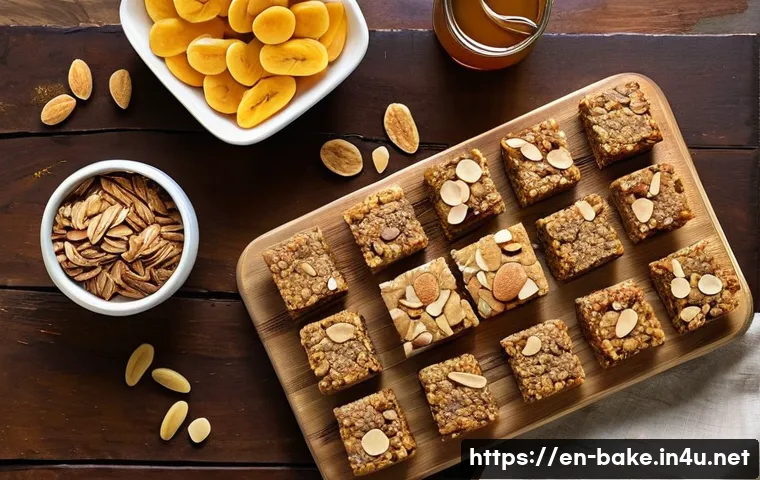
One of the most rewarding aspects of my plant-based baking journey has been realizing that you don’t have to save these incredible treats just for special occasions. Seriously, why wait? From a quick weeknight dessert to impressive holiday spreads, plant-based baking has seamlessly integrated into my everyday life, bringing joy and deliciousness without compromise. I’ve found that some of the simplest recipes, like a perfect batch of chocolate chip cookies made with plant-based butter and a flax egg, become instant crowd-pleasers. There’s something incredibly satisfying about whipping up a batch of fluffy blueberry muffins for breakfast, knowing they’re packed with wholesome ingredients and are kind to both my body and the planet. And let me tell you, bringing a plant-based dessert to a potluck or family gathering and watching people rave about it, completely unaware it’s vegan, is one of the greatest satisfactions! It’s proof that amazing taste transcends dietary labels. From rich, fudgy brownies that everyone devours to elegant fruit tarts with flaky, buttery crusts, the possibilities are truly endless. What I’ve learned is that it’s all about focusing on flavor and texture first, letting the plant-based nature be a delightful bonus rather than the main talking point. These treats aren’t just “good for vegan,” they’re just plain *good*, full stop. It’s about enjoying indulgence in a way that aligns with modern values, proving that you can absolutely have your cake and eat it too!
Sweet Starts: Breakfast Bakes and Morning Delights
- Plant-based pancakes and waffles are incredibly easy to master. Using oat milk and a flax egg often results in a wonderfully fluffy texture that holds up beautifully to syrup.
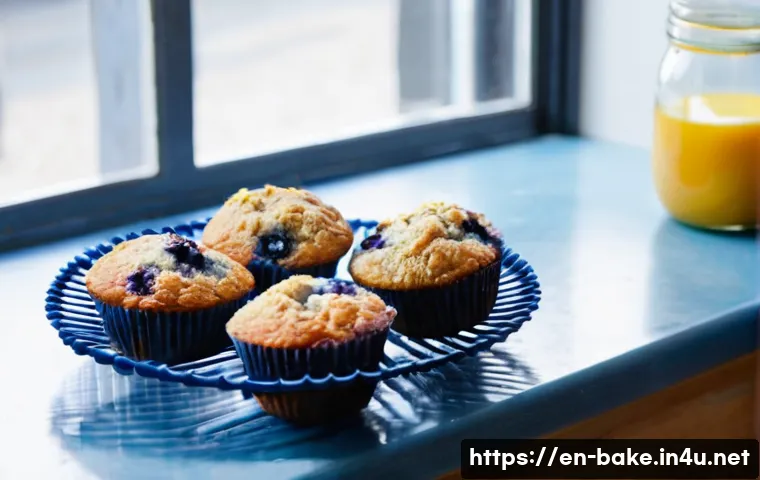
- Muffins and quick breads, like banana bread or apple cinnamon loaf, are perfect for using up ripe fruit and make for a wholesome, comforting breakfast or snack. I love experimenting with different spice blends here.
- Donuts, whether baked or fried, can be surprisingly simple to veganize. A rich plant-based milk and a good egg replacer create a tender crumb that’s just begging for a sweet glaze.
Dessert Delights: From Simple to Spectacular
- Chocolate chip cookies are always a hit. The key is a high-quality plant-based butter that creams well and ensures that classic chewy-on-the-inside, crispy-on-the-outside texture.
- Brownies are another fantastic entry point. Using applesauce or mashed banana for moisture, along with rich cocoa powder and a good plant-based fat, creates an incredibly fudgy result that will satisfy any chocolate craving.
- Layer cakes, while a bit more involved, are absolutely achievable. Using a combination of plant milk, a reliable egg replacer, and a good plant-based frosting means you can create stunning centerpieces for any celebration.
The Future of Baking: Innovations You Can’t Miss
Honestly, the pace of innovation in plant-based baking right now is just mind-blowing, and it keeps me constantly excited to try new things in my kitchen. It feels like every month there’s a new ingredient or technique emerging that pushes the boundaries of what we thought was possible. Remember when vegan cheese was… well, let’s just say it was an acquired taste? Now, we have plant-based cheeses that melt, stretch, and even taste like the real deal, opening up a whole new world for savory bakes like quiches and cheesy breads. But it’s not just about replicating; it’s about *improving* and *creating* entirely new experiences. Companies are pouring resources into developing cutting-edge ingredients like precision-fermented proteins that mimic the functionality of egg whites or milk proteins at a molecular level, offering unparalleled texture and performance. I’ve been keeping an eye on some of the incredible advancements in alternative fats that are specifically engineered for baking, providing superior creaming ability and flakiness. These aren’t just minor tweaks; they’re foundational shifts that are making plant-based baking more accessible, more delicious, and frankly, more fun than ever before. It’s truly inspiring to see how science and culinary creativity are coming together to craft a future where our favorite treats can be enjoyed by everyone, regardless of dietary preferences or restrictions. The journey is far from over, and I’m eagerly anticipating what delicious discoveries await us next!
Next-Gen Ingredients: Science Meets the Sweet Tooth
- Precision-fermented proteins are a true game-changer. These ingredients are created using microbes to produce specific proteins, like those found in dairy or eggs, without any animal involvement. They offer incredible functionality for things like meringue and creamy textures.
- Innovative fat blends are constantly being developed. Beyond simple coconut or shea butter, scientists are creating complex blends that mimic the crystal structure and melting point of dairy butter with astonishing accuracy, leading to flakier pastries and perfectly crisp cookies.
- New starch and fiber technologies are also emerging, designed to improve the texture, shelf-life, and structural integrity of plant-based baked goods, addressing common issues like gumminess or excessive crumbling.
From Lab to Kitchen: Trends to Watch
- The rise of adaptogenic and functional ingredients in baking is an interesting trend. Think incorporating ingredients like ashwagandha or mushroom powders into your treats for a subtle health boost, without compromising on taste.
- Sustainable sourcing is becoming increasingly important. Bakers are looking for ingredients that are not only plant-based but also ethically and environmentally responsible, driving demand for ingredients like responsibly harvested palm oil alternatives or upcycled fruit and vegetable powders.
- Hyper-personalization in baking, with a focus on allergen-friendly and specific dietary needs, means we’ll see even more specialized flours, sweeteners, and binders tailored to individual preferences and health requirements.
| Traditional Ingredient | Plant-Based Alternative | Best For | Key Benefit |
|---|---|---|---|
| Cow’s Milk | Oat Milk, Soy Milk, Almond Milk | Cakes, Muffins, Sauces | Creaminess, moisture, neutral flavor (oat/soy) |
| Butter | Plant-Based Butter Sticks, Refined Coconut Oil | Cookies, Pastries, Frostings | Flakiness, rich flavor, excellent creaming ability |
| Chicken Eggs | Flax Egg, Aquafaba, Commercial Egg Replacer | Binding, Leavening, Emulsifying | Versatile binding (flax), airy texture (aquafaba), comprehensive functionality (replacer) |
| Granulated Sugar | Maple Syrup, Agave Nectar, Date Sugar | Sweetening, adding moisture | Complex flavor (maple), neutral sweetness (agave), natural fiber (date) |
| Heavy Cream | Full-Fat Canned Coconut Milk, Plant-Based Whipping Cream | Whipped Toppings, Ganaches, Custards | Rich texture, thick consistency, versatile for desserts |
글을 마치며
And there you have it, my friends! What an incredible journey we’ve been on, exploring the vibrant and ever-expanding universe of plant-based baking. From those initial hesitant steps to now whipping up dairy-free delights and egg-free masterpieces, it truly feels like I’ve unlocked a whole new level of culinary creativity. Remember, it’s not just about making substitutions; it’s about embracing a mindset of innovation, curiosity, and joy in the kitchen. Every bake is an opportunity to experiment, to learn, and to create something utterly delicious that brings people together, regardless of their dietary choices. So go forth, bake with passion, and don’t be afraid to get a little flour on your nose – that’s when the real magic happens!
알아두면 쓸모 있는 정보
1. Don’t be afraid to start simple! A great batch of plant-based chocolate chip cookies or fluffy muffins is the perfect entry point. Success in easy recipes builds confidence to tackle more complex creations. It’s all about getting a feel for how these incredible ingredients work together.
2. Always read ingredient labels carefully, especially for plant milks and butters. Different brands can have varying fat content, sweetness, and additives, which can definitely impact your final baked good. Finding your favorite brand for each substitute is a game-changer.
3. Invest in a good kitchen scale. Precise measurements, especially for flours and liquid alternatives, are far more critical in plant-based baking than in traditional recipes. It takes the guesswork out of it and leads to much more consistent results every single time.
4. Chilling your dough is often your best friend. For cookies and pastries made with plant-based butter, a good chill allows the fats to solidify, preventing excessive spread and ensuring a beautifully flaky or chewy texture. Patience truly pays off here!
5. Embrace the failures! Every bake that doesn’t turn out perfectly is a learning opportunity. Think of yourself as a culinary detective, figuring out what worked, what didn’t, and why. It’s how you truly develop your intuition and expertise in this exciting world of plant-powered treats.
중요 사항 정리
At its heart, successful plant-based baking boils down to understanding the fundamental role each ingredient plays and then selecting the best alternative to mimic that function. We’ve seen how crucial it is to consider the unique properties of different plant milks, the nuances of various egg replacers, and the delightful contributions of natural sweeteners. Couple this knowledge with the right tools and a willingness to troubleshoot, and you’re well on your way to creating truly exceptional treats. The constant innovation in the plant-based world means there’s always something new and exciting to discover, making this a dynamic and incredibly rewarding culinary adventure for everyone.
Frequently Asked Questions (FAQ) 📖
Q: I’m new to plant-based baking and a little intimidated. What are the absolute best substitutes to start with for eggs and butter that will actually work beautifully?
A: Oh, I totally get that feeling! When I first started, the sheer number of options for replacing eggs and butter felt overwhelming. But after a lot of trial and error (and a few less-than-perfect bakes, we all have them!), I’ve definitely found my holy grail ingredients.
For eggs, my absolute go-to is often a “flax egg” (1 tablespoon ground flaxseed meal mixed with 3 tablespoons water, let it sit for 5 minutes). It’s fantastic for binding in cookies, muffins, and even some cakes, giving that perfect chewiness.
For recipes needing a bit more lift or richness, a mashed ripe banana (about 1/4 cup per egg) or applesauce works wonders, especially in quick breads.
And for butter? Hands down, vegan butter sticks from brands like Miyoko’s Kitchen or Earth Balance are my top recommendations. They cream beautifully and behave almost identically to dairy butter in most recipes, from cookies to pie crusts.
For a slightly healthier fat, coconut oil (refined, so it doesn’t taste like coconut!) is also brilliant in a pinch, especially for adding moisture and richness to brownies or certain cakes.
My personal journey started with flax eggs and Earth Balance, and they truly opened up a world of possibilities without the stress!
Q: Okay, I’m curious! But how do these plant-based ingredients actually mimic the functions of eggs and butter in baking? It still feels like magic!
A: It really does feel like magic sometimes, doesn’t it? But once you understand the science, it’s incredibly empowering! Think about what eggs and butter do in traditional baking.
Eggs provide structure, moisture, leavening, and binding. When we use a flax egg, the soluble fiber in the flaxseed becomes gelatinous, acting as a binder and providing some structure.
Aquafaba, the liquid from a can of chickpeas, is pure sorcery – its proteins mimic egg whites almost perfectly, allowing you to whip it into meringues or add incredible lightness to mousses!
As for butter, it adds fat for richness, flavor, tenderness, and helps with leavening and browning. Plant-based butters are formulated with various vegetable oils (like coconut, palm, and sunflower oil), sometimes with added starches or emulsifiers, to replicate that exact fat content and melting point.
When I’m baking with a good vegan butter, I notice how it creams with sugar just like dairy butter, incorporating air for a light texture, and giving that lovely golden crust.
It’s all about understanding the individual components – fats, proteins, starches, and water – and finding plant-based alternatives that deliver those same functions.
It’s not just swapping; it’s understanding the chemistry and finding plant-powered equivalents that do the heavy lifting!
Q: Beyond just being ‘plant-based,’ what are some of the unexpected benefits or exciting aspects of this baking style that I might not have considered?
A: This is my favorite question because it really gets to the heart of why I love plant-based baking so much! Beyond the obvious ethical and environmental benefits, and the fact that it’s often more allergen-friendly, what truly excites me are the unexpected culinary adventures it brings.
For one, it forces you to be incredibly creative in the kitchen. You learn to appreciate the subtle nuances of ingredients you might have overlooked before – the binding power of a sweet potato puree, the richness of a cashew cream, or the incredible aeration from aquafaba.
I’ve personally found myself experimenting with new flavor combinations and textures that I would have never considered with traditional baking. Plus, because many plant-based ingredients are whole foods, you’re often adding extra nutrients and fiber to your treats without even trying!
I’ve also noticed a wonderful community around plant-based baking – people are so eager to share tips, tricks, and new discoveries, which makes the whole process even more rewarding.
It’s not just about what you’re leaving out; it’s about all the exciting new possibilities you’re inviting in. It’s a journey of continuous learning and delicious innovation, and honestly, that’s what keeps me coming back to my plant-powered kitchen every single day!