France, the land of romance, art, and undeniably, exquisite pastries. From the flaky croissants that melt in your mouth to the colorful macarons that are as pleasing to the eye as they are to the palate, French patisseries hold a special place in the hearts (and stomachs!) of food lovers worldwide.
I’ve always been fascinated by the artistry and tradition that goes into creating these delicacies, and I’m excited to share a little exploration into one particular brand that, in my experience, truly embodies the spirit of French baking.
We’re talking about more than just sweetness; it’s about the history, the dedication, and the passion that makes each bite a little piece of Parisian heaven.
Let’s delve deeper into the details in the following article.
Delving into the Heart of French Baking: Beyond the CroissantAh, French pastries! Just the thought conjures up images of charming Parisian cafes and the intoxicating aroma of butter and sugar wafting through the air.
While croissants and macarons often steal the spotlight, the world of French baking is so much richer and more diverse. Honestly, I’ve spent countless hours exploring local *boulangeries* and *pâtisseries* during my travels in France, each visit revealing new and exciting treats.
The Allure of Traditional Techniques
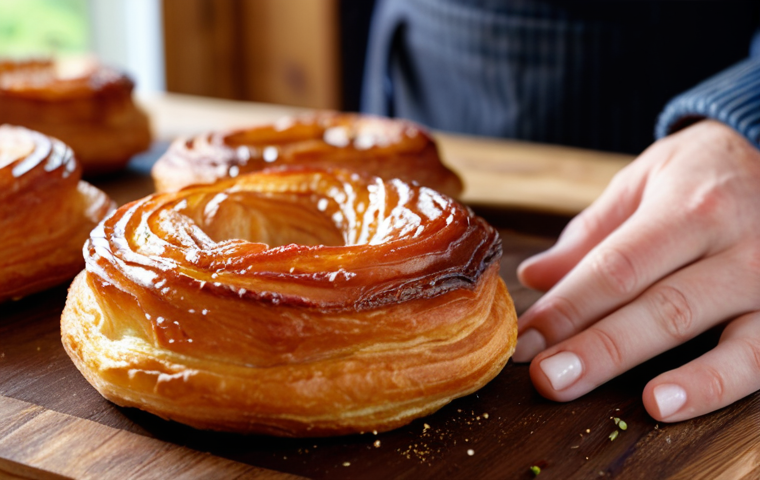
Exploring traditional techniques feels like stepping back in time. These are the methods passed down through generations. Using only the finest ingredients, like locally-sourced butter and flour, chefs create textures and flavors that modern shortcuts simply can’t replicate.
The Baker’s Touch
Witnessing a skilled baker at work is like watching an artist in their studio. The precise measurements, the gentle kneading, and the experienced eye – each step is crucial.
The baker’s touch is what elevates a simple dough into something truly special. I once watched a *boulanger* in a small village meticulously shaping croissants, each one a perfect crescent.
The Unexpected Joy of a Chouquette
For a delightful experience, don’t overlook the humble *chouquette*. These small, airy pastries, studded with pearl sugar, are a simple pleasure. They are the perfect accompaniment to a strong coffee, a sweet treat that isn’t too overwhelming.
I stumbled upon these little gems at a market in Lyon. The vendor told me they were a favorite among local children. It was a sweet, simple, and utterly delightful moment.
Elevating Everyday Moments with Exquisite FlavorsFrench pastries have this incredible ability to turn an ordinary day into something special. It’s not just about the taste, but the entire experience.
I remember this rainy afternoon in Paris, ducking into a small *pâtisserie* to escape the downpour. I bought a *pain au chocolat* and a *café au lait*, and as I sat there, watching the rain fall outside, the warmth and richness of the pastry seemed to chase away the gloom.
It was a simple moment, but it remains one of my fondest memories.
The Ritual of Sharing
In France, pastries are often shared among friends and family. It’s about more than just satisfying a sweet tooth; it’s a gesture of connection and affection.
Bringing a box of *éclairs* to a friend’s house or sharing a *tarte aux fruits* at a picnic is a way to create lasting memories.
Pairing Pastries with the Perfect Drink
The right drink can truly enhance the flavor of a pastry. A rich chocolate *fondant* pairs beautifully with a glass of red wine, while a light and fruity *tarte citron* is perfectly complemented by a cup of herbal tea.
Experimenting with different pairings is a delicious way to discover new flavor combinations. Unraveling the Mystery of the Perfect MacaronAh, the macaron – that colorful, delicate, and often frustratingly difficult-to-master confection.
These meringue-based cookies, sandwiched together with a creamy ganache, have become a symbol of French elegance. But achieving that perfect balance of crispy shell and chewy interior is no easy feat.
The Importance of the “Macaronage”
The “macaronage” is a crucial step in the macaron-making process. It involves carefully folding the almond flour and sugar mixture into the meringue until the batter reaches the right consistency.
Over-mixing can lead to flat, cracked macarons, while under-mixing can result in a lumpy texture.
The Quest for the Perfect Foot
One of the hallmarks of a well-made macaron is the “foot” – the frilly edge that forms around the base of the cookie as it bakes. Achieving that perfect foot requires precise oven temperature and humidity control.
It’s a real badge of honor for any pastry chef. Celebrating Regional SpecialtiesFrance is a country of diverse regions, and each region boasts its own unique pastry specialties.
From the *kouign amann* of Brittany to the *cannelés* of Bordeaux, exploring these regional treats is like taking a culinary journey across the country.
Brittany’s Buttery Delight: The Kouign Amann
The *kouign amann*, a caramelized cake made with layers of butter and sugar. Originating from Brittany, this rich pastry is a testament to the region’s love of butter.
Every bite is a symphony of sweet and salty flavors.
Bordeaux’s Rum-Infused Treasure: The Cannelé
The *cannelé*, a small, cylindrical cake flavored with rum and vanilla. Its dark, caramelized crust gives way to a custardy interior. These iconic pastries are a must-try when visiting Bordeaux.
The Art of Presentation: More Than Just a PastryIn France, pastries are not just food; they are works of art. The presentation is just as important as the taste.
From the elegant displays in the *pâtisserie* windows to the careful arrangement of pastries on a plate, every detail is considered.
The Importance of Visual Appeal
French *pâtissiers* understand the importance of visual appeal. Pastries are often decorated with intricate designs, vibrant colors, and delicate details.
This visual artistry enhances the overall experience, making each bite even more enjoyable.
The Experience of Buying a Pastry
Buying a pastry in France is an experience in itself. From the moment you step into the *pâtisserie* to the moment you unwrap your treat, every detail is designed to delight the senses.
Comparing French Pastries: A Quick GuideHere’s a table to quickly compare some of the famous French pastries.
| Pastry | Description | Region | Key Ingredients |
|---|---|---|---|
| Croissant | Flaky, buttery pastry shaped like a crescent. | Originates from Austria, but perfected in France. | Flour, butter, yeast, sugar |
| Macaron | Meringue-based cookie with a smooth, delicate shell and a creamy filling. | Paris | Almond flour, sugar, egg whites, food coloring |
| Éclair | Oblong pastry made with choux dough, filled with cream and topped with icing. | France | Flour, butter, eggs, cream, chocolate |
| Kouign Amann | Round cake made with layers of butter and sugar. | Brittany | Flour, butter, sugar |
| Cannelé | Small, cylindrical cake flavored with rum and vanilla. | Bordeaux | Flour, milk, eggs, sugar, rum, vanilla |
The Future of French Baking: Tradition Meets InnovationWhile tradition is at the heart of French baking, there is also a spirit of innovation. Young *pâtissiers* are experimenting with new flavors, techniques, and ingredients, while still honoring the classics.
Embracing New Flavors
Many modern *pâtissiers* are incorporating international flavors and ingredients into their creations. From using matcha in macarons to adding spices to *choux* pastry, these innovative twists are adding new dimensions to French baking.
Sustainable Baking Practices
With growing awareness of environmental issues, many *boulangeries* and *pâtisseries* are adopting sustainable baking practices. Using locally-sourced ingredients, reducing waste, and minimizing their carbon footprint are becoming increasingly important.
Exploring the World of French BakingFrench baking is a world of endless delights, from the classic croissants to the innovative creations of modern *pâtissiers*.
Whether you’re a seasoned baker or simply a lover of sweets, there is always something new to discover. It’s about the journey, the experience, and the joy of sharing these treats with others.
Delving into the Heart of French Baking: Beyond the CroissantAh, French pastries! Just the thought conjures up images of charming Parisian cafes and the intoxicating aroma of butter and sugar wafting through the air.
While croissants and macarons often steal the spotlight, the world of French baking is so much richer and more diverse. Honestly, I’ve spent countless hours exploring local *boulangeries* and *pâtisseries* during my travels in France, each visit revealing new and exciting treats.
The Allure of Traditional Techniques
Exploring traditional techniques feels like stepping back in time. These are the methods passed down through generations. Using only the finest ingredients, like locally-sourced butter and flour, chefs create textures and flavors that modern shortcuts simply can’t replicate.
The Baker’s Touch
Witnessing a skilled baker at work is like watching an artist in their studio. The precise measurements, the gentle kneading, and the experienced eye – each step is crucial. The baker’s touch is what elevates a simple dough into something truly special. I once watched a *boulanger* in a small village meticulously shaping croissants, each one a perfect crescent.
The Unexpected Joy of a Chouquette
For a delightful experience, don’t overlook the humble *chouquette*. These small, airy pastries, studded with pearl sugar, are a simple pleasure. They are the perfect accompaniment to a strong coffee, a sweet treat that isn’t too overwhelming. I stumbled upon these little gems at a market in Lyon. The vendor told me they were a favorite among local children. It was a sweet, simple, and utterly delightful moment.
Elevating Everyday Moments with Exquisite Flavors
French pastries have this incredible ability to turn an ordinary day into something special. It’s not just about the taste, but the entire experience. I remember this rainy afternoon in Paris, ducking into a small *pâtisserie* to escape the downpour. I bought a *pain au chocolat* and a *café au lait*, and as I sat there, watching the rain fall outside, the warmth and richness of the pastry seemed to chase away the gloom. It was a simple moment, but it remains one of my fondest memories.
The Ritual of Sharing
In France, pastries are often shared among friends and family. It’s about more than just satisfying a sweet tooth; it’s a gesture of connection and affection. Bringing a box of *éclairs* to a friend’s house or sharing a *tarte aux fruits* at a picnic is a way to create lasting memories.
Pairing Pastries with the Perfect Drink
The right drink can truly enhance the flavor of a pastry. A rich chocolate *fondant* pairs beautifully with a glass of red wine, while a light and fruity *tarte citron* is perfectly complemented by a cup of herbal tea. Experimenting with different pairings is a delicious way to discover new flavor combinations.
Unraveling the Mystery of the Perfect Macaron
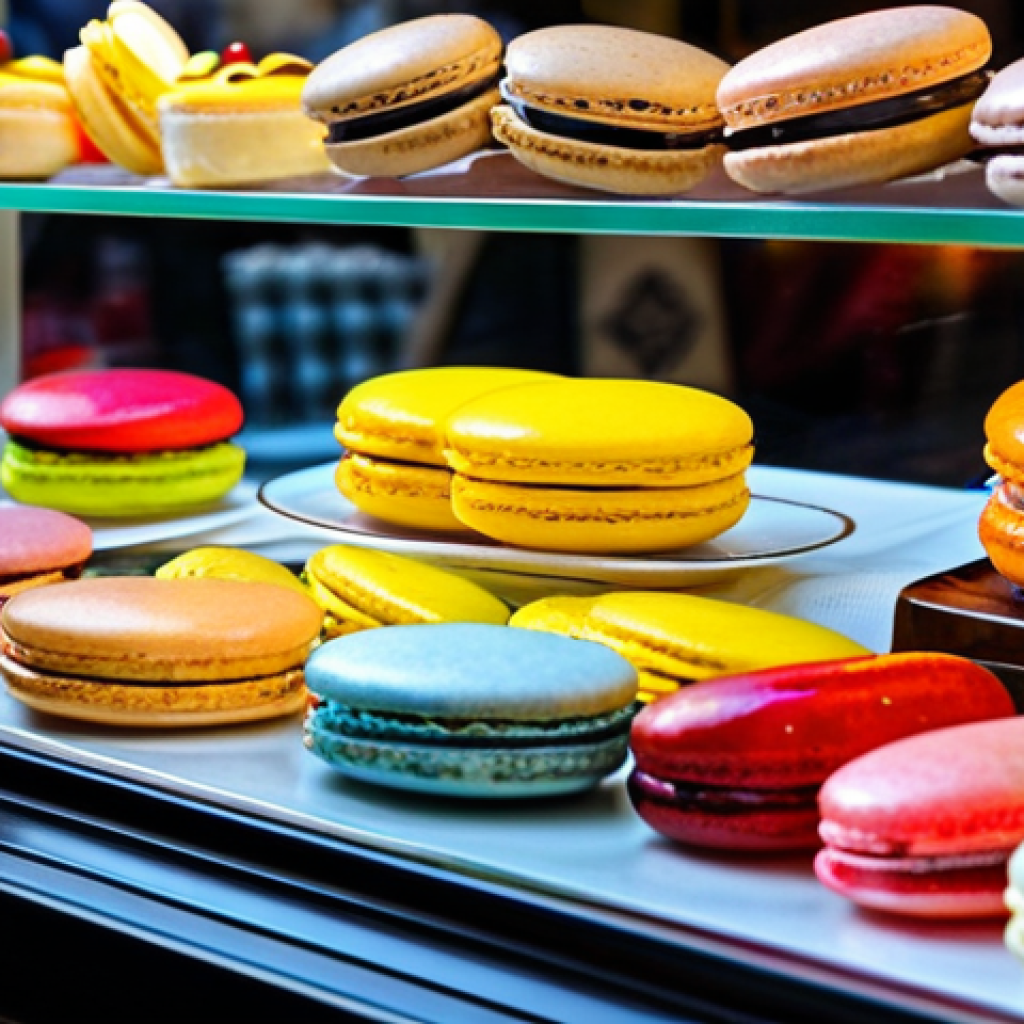
Ah, the macaron – that colorful, delicate, and often frustratingly difficult-to-master confection. These meringue-based cookies, sandwiched together with a creamy ganache, have become a symbol of French elegance. But achieving that perfect balance of crispy shell and chewy interior is no easy feat.
The Importance of the “Macaronage”
The “macaronage” is a crucial step in the macaron-making process. It involves carefully folding the almond flour and sugar mixture into the meringue until the batter reaches the right consistency. Over-mixing can lead to flat, cracked macarons, while under-mixing can result in a lumpy texture.
The Quest for the Perfect Foot
One of the hallmarks of a well-made macaron is the “foot” – the frilly edge that forms around the base of the cookie as it bakes. Achieving that perfect foot requires precise oven temperature and humidity control. It’s a real badge of honor for any pastry chef.
Celebrating Regional Specialties
France is a country of diverse regions, and each region boasts its own unique pastry specialties. From the *kouign amann* of Brittany to the *cannelés* of Bordeaux, exploring these regional treats is like taking a culinary journey across the country.
Brittany’s Buttery Delight: The Kouign Amann
The *kouign amann*, a caramelized cake made with layers of butter and sugar. Originating from Brittany, this rich pastry is a testament to the region’s love of butter. Every bite is a symphony of sweet and salty flavors.
Bordeaux’s Rum-Infused Treasure: The Cannelé
The *cannelé*, a small, cylindrical cake flavored with rum and vanilla. Its dark, caramelized crust gives way to a custardy interior. These iconic pastries are a must-try when visiting Bordeaux.
The Art of Presentation: More Than Just a Pastry
In France, pastries are not just food; they are works of art. The presentation is just as important as the taste. From the elegant displays in the *pâtisserie* windows to the careful arrangement of pastries on a plate, every detail is considered.
The Importance of Visual Appeal
French *pâtissiers* understand the importance of visual appeal. Pastries are often decorated with intricate designs, vibrant colors, and delicate details. This visual artistry enhances the overall experience, making each bite even more enjoyable.
The Experience of Buying a Pastry
Buying a pastry in France is an experience in itself. From the moment you step into the *pâtisserie* to the moment you unwrap your treat, every detail is designed to delight the senses.
Comparing French Pastries: A Quick Guide
Here’s a table to quickly compare some of the famous French pastries.
| Pastry | Description | Region | Key Ingredients |
|---|---|---|---|
| Croissant | Flaky, buttery pastry shaped like a crescent. | Originates from Austria, but perfected in France. | Flour, butter, yeast, sugar |
| Macaron | Meringue-based cookie with a smooth, delicate shell and a creamy filling. | Paris | Almond flour, sugar, egg whites, food coloring |
| Éclair | Oblong pastry made with choux dough, filled with cream and topped with icing. | France | Flour, butter, eggs, cream, chocolate |
| Kouign Amann | Round cake made with layers of butter and sugar. | Brittany | Flour, butter, sugar |
| Cannelé | Small, cylindrical cake flavored with rum and vanilla. | Bordeaux | Flour, milk, eggs, sugar, rum, vanilla |
The Future of French Baking: Tradition Meets Innovation
While tradition is at the heart of French baking, there is also a spirit of innovation. Young *pâtissiers* are experimenting with new flavors, techniques, and ingredients, while still honoring the classics.
Embracing New Flavors
Many modern *pâtissiers* are incorporating international flavors and ingredients into their creations. From using matcha in macarons to adding spices to *choux* pastry, these innovative twists are adding new dimensions to French baking.
Sustainable Baking Practices
With growing awareness of environmental issues, many *boulangeries* and *pâtisseries* are adopting sustainable baking practices. Using locally-sourced ingredients, reducing waste, and minimizing their carbon footprint are becoming increasingly important.
Exploring the World of French Baking
French baking is a world of endless delights, from the classic croissants to the innovative creations of modern *pâtissiers*. Whether you’re a seasoned baker or simply a lover of sweets, there is always something new to discover. It’s about the journey, the experience, and the joy of sharing these treats with others.
In Closing
So, the next time you find yourself in a French *pâtisserie*, take a moment to look beyond the familiar croissants and macarons. Explore the rich tapestry of flavors, textures, and traditions that make French baking so special. You might just discover your new favorite treat!
Bon appétit, and happy baking!
Useful Information
1. Find a Local Bakery: Search online for authentic French bakeries in your area. Look for reviews that mention traditional techniques and high-quality ingredients.
2. Take a Baking Class: Many culinary schools and community centers offer classes on French pastry making. This is a great way to learn the basics and improve your skills.
3. Explore French Cookbooks: Invest in a good French cookbook that focuses on pastries. Look for one with detailed instructions and beautiful photos to inspire you.
4. Watch Online Tutorials: YouTube is a treasure trove of baking tutorials. Search for videos that demonstrate techniques like making macarons or croissants.
5. Visit a French Market: Check if there are any French markets or festivals in your area. These events often feature vendors selling authentic French pastries.
Key Takeaways
French baking is about more than just taste; it’s an experience.
Traditional techniques and high-quality ingredients are essential.
Presentation is a key element of French pastries.
Regional specialties offer a diverse culinary journey.
Innovation is shaping the future of French baking.
Frequently Asked Questions (FAQ) 📖
Q: What makes French pastries so special compared to other types of desserts?
A: Honestly, it’s more than just sugar and flour. Having traveled through France a bit, I’ve noticed that the dedication to quality ingredients and time-honored techniques really sets them apart.
It’s like each pastry has a story to tell, passed down through generations. Plus, there’s just something about the presentation, that perfect swirl on a croissant or the delicate layers of a mille-feuille, that elevates the experience.
I remember once trying a simple pain au chocolat from a small bakery in Paris, and it was the best thing I had ever tasted – that’s the magic of French pastries!
Q: If I can’t travel to France, how can I experience authentic French pastries at home?
A: Great question! While nothing truly beats the experience of savoring a fresh pastry in a Parisian café, you can definitely find high-quality options closer to home.
Look for local bakeries that specialize in French techniques or source ingredients from France. Also, don’t be afraid to try baking them yourself! There are tons of fantastic recipes online, and while it might take some practice, the satisfaction of creating your own perfect croissant is totally worth it.
I once spent a whole weekend trying to perfect macarons, and even though they weren’t perfect, they were delicious and a fun challenge. You can also search for the brand mentioned in the intro and see if they are available near you.
Q: Are French pastries always incredibly sweet and rich?
A: re there any lighter or healthier options available? A3: While many French pastries are known for their richness, there’s actually a lot of variety. Think about a simple baguette – it’s a French pastry, and it’s definitely not overly sweet.
You can also find fruit tarts with fresh seasonal fruits, which offer a lighter option. Even some classic pastries, like éclairs, can be made with less sugar or with fillings that are naturally sweet.
Also, many modern patisseries are adapting traditional recipes to be healthier, using less butter and sugar, so it’s worth exploring your local options to see what they offer.
I have a friend who’s a pastry chef, and she’s always experimenting with ways to make delicious treats that are also good for you.
📚 References
Wikipedia Encyclopedia