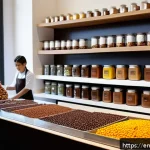
Have you ever found yourself staring longingly at a freshly baked cookie, only to sigh and walk away, haunted by the sugar content? I certainly have. For years, the idea of enjoying truly delicious baked goods without the guilt of refined sugar felt like a distant dream, almost an oxymoron.
But personally, I’ve been genuinely surprised by how far we’ve come! What started as a niche market for specific dietary needs has exploded into a mainstream culinary movement, driven by an ever-growing awareness of health and wellness.
The rising demand for healthier alternatives, fueled by extensive research and public discussion on sugar’s impact, has pushed food innovation to incredible new heights.
From allulose to erythritol and innovative stevia blends, these aren’t just mere substitutes anymore; they’re ingredients crafted to deliver authentic flavor and texture without the glycemic spike.
It’s a game-changer, and honestly, the sheer variety and quality available now would astonish anyone who hasn’t paid close attention. This shift isn’t just a trend; it’s the future of indulgent eating, where pleasure and well-being finally converge.
Let’s explore this in detail below.
The Science of Sweetness: Unpacking the Magic Behind Sugar Alternatives
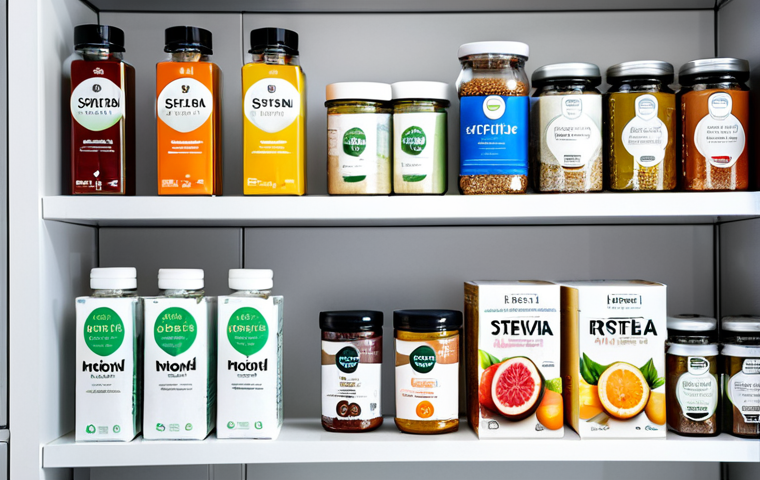
1. Decoding the Different Types of Sweeteners and Their Functions
When I first delved into the world of sugar substitutes, I felt completely overwhelmed. It seemed like every health food store and online guru was promoting a different “miracle” sweetener.
But what I’ve learned, through countless hours of research and frankly, a lot of failed baking experiments, is that not all sweeteners are created equal, and each has its unique properties that make it suitable for different applications.
We’re talking about everything from sugar alcohols like erythritol and xylitol, which provide bulk and a cooling sensation, to high-intensity sweeteners like stevia and monk fruit, which are incredibly potent in tiny amounts.
Then there are the newer kids on the block, like allulose, a “rare sugar” that tastes remarkably like sugar but with almost no calories. Understanding their chemical structures and how they interact with heat and other ingredients is key to successful, delicious baking.
For instance, some sugar alcohols can cause digestive upset in large quantities, a lesson I learned the hard way after a particularly ambitious sugar-free brownie batch.
Others, like pure stevia extract, can have a strong aftertaste if not properly blended or used sparingly. It’s not just about sweetness; it’s about structure, moisture retention, and even browning capabilities, all of which refined sugar typically provides in spades.
2. Beyond Just Sweetness: How These Alternatives Behave in Baking
One of the biggest hurdles I faced when transitioning to sugar-free baking was the realization that sugar does more than just make things sweet. It’s a foundational ingredient for texture, moisture, and even the beautiful golden-brown crust we all love on cookies and cakes.
Sugar caramelizes, it tenderizes, and it provides bulk. So, when you remove it, you’re not just replacing sweetness; you’re often replacing a significant part of the recipe’s structure.
This is where my “aha!” moments started happening. I found that combining different sweeteners often yields the best results – perhaps a blend of erythritol for bulk and a touch of monk fruit for intense sweetness.
For browning, some bakers turn to a tiny bit of molasses or even just a longer baking time at a slightly lower temperature. Moisture, too, can be tricky; I’ve personally found that adding a little extra liquid, like unsweetened applesauce or Greek yogurt, can compensate for the lack of moisture that sugar would typically provide.
It’s truly a science experiment in your kitchen, requiring patience and a willingness to adjust, but the rewards are genuinely satisfying when you pull out a perfectly baked, guilt-free treat.
Navigating the Sweetener Aisle: What’s Right for Your Pantry?
1. My Go-To Sweeteners for Everyday Baking and Why
After years of trial and error, my pantry now stocks a few reliable sugar alternatives that I consistently turn to. My absolute staple is erythritol. Why?
Because it’s a sugar alcohol that’s generally well-tolerated digestive-wise, and it has a very clean taste with minimal aftertaste, unlike some other sugar alcohols.
It’s about 70% as sweet as sugar, so you need a bit more, but it provides excellent bulk, which is crucial for baked goods that rely on volume, like cakes and muffins.
Another frequent flyer in my kitchen is a monk fruit erythritol blend. This combination gives you the best of both worlds: the bulk of erythritol with the intense sweetness of monk fruit, meaning you can use less overall, which is great for recipes where you want to reduce volume.
For a touch of liquid sweetness, I occasionally use a sugar-free maple syrup made with monk fruit or stevia, especially for pancakes or glazes. What I’ve really learned is that having a diverse “sweetener toolkit” allows for much more flexibility and better results across a range of recipes.
I even keep a small container of pure stevia extract for those times I need just a tiny burst of sweetness without adding any volume.
2. A Practical Guide to Common Sugar Substitutes and Their Best Uses
Choosing the right sweetener can feel like navigating a maze, so I’ve put together a quick guide based on my extensive experience. This isn’t exhaustive, but these are the ones you’ll most likely encounter and find useful.
I’ve often wished someone had just laid it out clearly for me when I was starting, instead of having to piece together information from countless forums and obscure blog posts.
| Sweetener Type | Sweetness Relative to Sugar | Typical Baking Use | Key Characteristics & My Experience |
|---|---|---|---|
| Erythritol | ~70% | Cookies, cakes, muffins, general bulk | Clean taste, minimal aftertaste. Can recrystallize if not dissolved well. My personal go-to for volume. |
| Monk Fruit Extract | 150-250x | Drinks, small amounts for high sweetness, blends | Very potent, no calories. Can have a slight fruity aftertaste if used in large quantities. Usually found in blends. |
| Stevia Extract | 200-400x | Drinks, small amounts for high sweetness, blends | Very potent, zero calories. Some people detect a licorice-like aftertaste, especially pure extracts. I use it sparingly. |
| Allulose | ~70% | Cakes, custards, sauces, soft baked goods | Tastes very similar to sugar, browns well, excellent texture. Can be harder to find and more expensive. My new favorite for texture. |
| Xylitol | ~100% | Chewing gum, candies, some baked goods | Equivalent sweetness to sugar, cooling sensation. Toxic to dogs! Can cause digestive upset in larger amounts for humans. I use with caution. |
This table really highlights the versatility available. My advice? Don’t be afraid to experiment!
What works perfectly for one person’s palate or recipe might not for another.
Baking Beyond the Sugar: Tips and Tricks for Sweet Success
1. Mastering Textural Challenges: From Dryness to Density
The most common complaints I hear about sugar-free baked goods are related to texture: they’re often too dry, too dense, or have a gritty mouthfeel. I’ve been there!
I’ve baked bricks disguised as brownies and crumbly cookies that disintegrated upon touch. What I’ve discovered through sheer persistence is that addressing these issues often requires small, strategic adjustments.
For dryness, I often increase liquid ingredients slightly. This could be an extra splash of unsweetened almond milk, a dollop of applesauce, or even a pureed vegetable like zucchini or pumpkin, which also adds hidden nutrients.
To combat density, sometimes it’s about adding more leavening agents like baking soda or baking powder, or incorporating whipped egg whites for airiness.
One trick I’ve found incredibly effective, especially with erythritol, is to grind granular sweeteners into a finer powder using a coffee grinder. This helps them dissolve better, preventing that gritty texture that can ruin a perfectly good cake.
It’s a little extra step, but it makes a world of difference.
2. Flavor Harmony: Blending Sweeteners and Complementary Ingredients
Achieving a balanced flavor profile in sugar-free baking is an art form. It’s not just about making things sweet; it’s about creating a harmonious taste experience.
I quickly learned that relying on a single sugar substitute often leads to a one-note sweetness, or worse, an unpleasant aftertaste. This is why blending is so crucial.
For example, a combination of erythritol and a tiny amount of monk fruit extract can create a robust sweetness that mirrors sugar much more closely than either one alone.
But it goes beyond just sweeteners. Think about how other ingredients can enhance or mask certain characteristics. A pinch of salt can actually amplify sweetness.
Vanilla extract, almond extract, or citrus zests can do wonders in rounding out flavors and diverting attention from any subtle off-notes a sweetener might have.
I personally love adding a touch of cinnamon or nutmeg to almost everything, as these spices naturally enhance the perception of sweetness and add depth.
Don’t underestimate the power of healthy fats either, like avocado or nut butters, which can contribute to a richer mouthfeel and carry flavors more effectively.
Addressing the Elephant in the Room: Health, Safety, and Misconceptions
1. Debunking Common Myths About Sugar Substitutes
When I first started seriously exploring sugar alternatives, the amount of conflicting information out there was dizzying. One week, a certain sweetener would be praised as a miracle, and the next, it would be condemned as a dangerous chemical.
What I’ve come to understand, and this is based on countless hours of reading scientific studies and consulting with dietitians, is that much of the fear surrounding sugar substitutes is driven by misinformation, outdated research, or simply a lack of understanding of the science.
Take artificial sweeteners, for example, like aspartame or sucralose; while I personally prefer natural options, regulated amounts of these have been deemed safe by major health organizations for decades.
The biggest myth I constantly hear is that sugar substitutes cause cancer – a claim that has been thoroughly debunked by extensive research. Another common misconception is that they make you crave more sugar, or that they disrupt your gut microbiome.
While research on the gut is ongoing and fascinating, the current consensus is that for most people, in moderate amounts, these sweeteners are a safe and effective way to reduce sugar intake.
It’s about looking at the body of evidence, not just sensational headlines.
2. My Personal Philosophy on Integrating Sweeteners into a Healthy Lifestyle
For me, incorporating sugar substitutes isn’t about “cheating” or finding a magic bullet for unhealthy eating habits. It’s about finding balance and enjoying life’s little pleasures without compromising my long-term health goals.
My philosophy is rooted in moderation and conscious choices. I don’t believe in absolute restrictions because, let’s be honest, that’s just not sustainable for most people, including myself!
Instead, I view sugar alternatives as tools that allow me to enjoy a homemade cookie or a slice of cake now and then, without the blood sugar spike and subsequent energy crash that comes with refined sugar.
It’s about being mindful of *why* I’m choosing a sugar substitute – is it to satisfy a craving healthily, or am I just looking for an excuse to overindulge?
I’ve found that relying too heavily on hyper-sweetened foods, even sugar-free ones, can still perpetuate a desire for intense sweetness. So, while I advocate for these fantastic alternatives, I also encourage appreciating less sweet flavors and whole, unprocessed foods as the foundation of a healthy diet.
It’s about empowering yourself to make choices that serve your well-being, not just your taste buds in the moment.
The Future of Sweetness: What’s Next in Low-Sugar Innovation?
1. Emerging Sweeteners and Culinary Trends on the Horizon
The world of sweeteners is anything but static, and honestly, that excites me tremendously! What started as a niche for diabetics has truly exploded into a mainstream culinary frontier, driven by consumer demand for healthier options that don’t compromise on taste.
I’m constantly keeping an eye on new developments. For instance, I’ve heard buzz about novel rare sugars beyond allulose, and even new fermentation-derived sweeteners that promise even cleaner tastes and better functionality in baking.
Researchers are tirelessly working to isolate sweet compounds from natural sources, refining extraction methods to yield purer, more versatile ingredients.
We’re also seeing a trend towards “upcycled” sweeteners derived from fruit by-products, which is a fantastic move towards sustainability. It’s not just about new ingredients, though; it’s also about innovative blends that perfectly mimic sugar’s complex profile, and even smart appliances that can automatically adjust recipes for optimal sugar substitute use.
The future promises even more delicious, guilt-free indulgences that will make it easier than ever to live a low-sugar lifestyle.
2. Beyond the Kitchen: The Wider Impact of Sugar Reduction
It’s easy to focus on what sugar alternatives mean for our personal baking habits, but the impact of this movement extends far beyond my kitchen. The rising popularity of sugar substitutes is driving a massive shift in the entire food industry.
Major food and beverage companies are pouring resources into developing healthier versions of their classic products, often utilizing these very alternatives.
This means more options on supermarket shelves, from sugar-free yogurts to low-calorie sodas and even snack bars. The ripple effect is huge: it’s influencing public health campaigns, encouraging healthier food choices in schools and institutions, and potentially reducing the burden of sugar-related diseases globally.
I believe this isn’t just a fleeting trend; it’s a fundamental change in how we perceive and consume sweetness. As consumers become more informed and demand healthier options, the food industry *has* to respond.
It’s a testament to the power of collective consciousness and a step towards a future where delicious food and good health are not mutually exclusive but intertwined.
Concluding Thoughts
As we wrap up this deep dive into the fascinating world of sugar alternatives, I hope you feel more empowered and less overwhelmed. My journey from confused baker to confident sugar-free enthusiast has taught me that embracing these substitutes isn’t about rigid rules, but about understanding the tools at your disposal and using them wisely. It’s a continuous adventure of discovery in the kitchen, leading to truly satisfying and healthier sweet treats. So, go forth and experiment, knowing that you’re not just baking, you’re crafting a healthier, happier lifestyle, one delicious, low-sugar bite at a time. The future of sweetness is bright, and it’s certainly delicious!
Handy Information to Know
1. Start Small and Experiment: Don’t overhaul all your recipes at once. Begin by substituting sugar in simple recipes like a fruit crumble or your morning coffee, and gradually work your way up to more complex baked goods.
2. Always Read Labels: Sweetener blends vary wildly. Check ingredient lists for added fillers, hidden sugars, or artificial ingredients you might want to avoid. Understanding what’s in your chosen product is key.
3. Consider Digestive Tolerance: While generally safe, some sugar alcohols (like xylitol or maltitol) can cause digestive discomfort in larger quantities for sensitive individuals. Start with small amounts to assess your personal tolerance.
4. Hydration is Your Friend: When using sugar alcohols like erythritol, which can sometimes have a cooling effect, ensure your baked goods have enough moisture. This can mean adding extra liquids, applesauce, or pureed fruits/vegetables to compensate.
5. Flavor Beyond Sweetness: Remember that sugar provides more than just sweetness. It contributes to browning, texture, and moisture. Be prepared to adjust other ingredients (like adding a touch more fat or liquid) to achieve the desired result when using alternatives.
Key Takeaways
Navigating sugar alternatives is a journey of understanding their unique properties, experimenting with blends, and integrating them thoughtfully into a balanced, healthy lifestyle. It’s about empowering yourself to enjoy delicious treats without relying on refined sugar, transforming your baking into a healthier, more creative endeavor.
Frequently Asked Questions (FAQ) 📖
Q: With so many new sugar alternatives popping up, how do I even begin to choose the right one for my baking, and do they truly taste good without that weird aftertaste?
A: Oh, I totally get this! When I first dipped my toe into this world, it felt like navigating a jungle of scientific-sounding names. But honestly, it’s less daunting than it seems now.
My go-to advice? Start with the blends – those carefully crafted erythritol-monk fruit or erythritol-stevia mixes. They’re designed to have a taste profile closest to sugar, and they really knock out that common ‘cooling’ sensation some pure erythritol has.
Personally, I’ve had incredible success with allulose for things that need to brown beautifully, like cookies, because it caramelizes in a way other substitutes just don’t.
Experimenting is key, and it’s about finding your personal preference, but I promise you, the taste is no longer a compromise. I mean, my kids genuinely couldn’t tell the difference in my chocolate chip cookies last week, and trust me, they’re brutally honest critics!
Q: Okay, so the taste might be there, but what about the texture? I’ve heard horror stories about dry cakes or gritty cookies when using sugar substitutes. Will my favorite recipes still have that perfect chewiness or moist crumb?
A: This is where the magic really happens with these newer innovations! I used to be so skeptical, imagining rock-hard brownies or cakes that crumbled like sand.
But the advancements are genuinely mind-blowing. For instance, allulose helps with browning and moisture retention in ways older erythritol-only blends never could.
And those refined erythritol blends? They’ve minimized the crystallization that used to make things gritty. I’ve successfully swapped out sugar in my grandmother’s famous lemon loaf recipe – the one that’s been passed down for generations – and it came out perfectly moist with that classic dense crumb.
It’s not just about sweetness anymore; it’s about structure, mouthfeel, and getting that real baked good experience. You know that delightful chew of a perfectly baked oatmeal raisin cookie?
It’s absolutely achievable now!
Q: This all sounds promising, but is this ‘healthier indulgence’ genuinely here to stay, or is it just a fleeting trend?
A: lso, is it affordable for someone like me, who loves to bake regularly and already spends a fair bit on ingredients? A3: Absolutely not a fad, in my opinion – this is a fundamental shift!
Think about it: the demand for healthier options isn’t going anywhere. Major food manufacturers and even your local artisanal bakeries are jumping on board because consumers want to enjoy treats without the sugar crash.
I’ve seen these alternative sweeteners go from being niche health store items to proudly displayed on the baking aisle at my local supermarket, whether that’s a Safeway, a Tesco, or a Coles.
As for cost, yes, some of these ingredients can be a bit pricier per bag upfront than a standard bag of granulated sugar. I won’t lie, when I first started buying allulose, my wallet felt it a little!
But the prices are steadily coming down as production scales up and demand grows. Plus, when you factor in the personal health benefits and the sheer joy of indulging without guilt, for me, it’s a worthwhile investment.
It’s like buying good quality butter over margarine – you pay a bit more, but the results speak for themselves, and it brings so much more satisfaction.
It’s the future, truly.
📚 References
Wikipedia Encyclopedia
구글 검색 결과
구글 검색 결과
구글 검색 결과
구글 검색 결과
구글 검색 결과