Hey there, fellow snack enthusiasts! There’s nothing quite like the joy of biting into a perfect treat – that satisfying crunch, the burst of flavor, the way it just melts in your mouth.
But let’s be real, we’ve all experienced that disappointing moment when a snack falls flat. Perhaps it’s a stale chip that lacks its usual zing, or a cookie that crumbles into a dry mess instead of offering a delightful chew.
It’s a common frustration, and one that often leads us to wonder: what exactly makes some snacks so consistently amazing, while others… not so much?
In my journey exploring the vast world of delicious bites, I’ve personally discovered that the unsung hero behind every truly sensational snack experience is almost always the unwavering freshness of its core ingredients.
It’s a factor often overlooked, yet it holds the power to transform a good snack into an unforgettable one. With today’s discerning consumers increasingly scrutinizing food labels and demanding higher quality, natural ingredients, understanding the journey of these components from farm to your pantry has become more critical than ever.
We’re living in an era where transparency and quality are king, and the shelf-life and origin of what we eat are under the spotlight like never before.
I’ve felt the tangible difference, and trust me, it’s a game-changer! So, what are the hidden secrets to ensuring your favorite snacks always deliver that peak freshness and flavor?
Stick around, and let’s delve deeper into this crucial aspect of snacking below.
The Silent Guardians: Why Ingredient Quality Matters Most
When I first started my deep dive into the world of snacks, I honestly thought it was all about the exciting flavors and catchy packaging. But boy, was I wrong!
I quickly learned that the true magic, the one that makes your eyes light up with every bite, always comes down to the quality of the raw ingredients.
It’s the unsung hero, really. Think about it: a cookie made with butter that’s slightly off, or chips crafted from potatoes that weren’t quite perfect from the start – they just never reach that peak deliciousness.
I’ve personally experienced the disappointment of a well-marketed snack falling flat because the foundational ingredients simply weren’t up to par. It’s like building a magnificent house on a shaky foundation; it’s bound to crumble eventually.
Manufacturers who truly care about our snacking experience understand this at their core, investing heavily in sourcing the best possible components, because they know that’s where true flavor and texture begin.
My go-to brands always seem to nail this, which is why I keep coming back for more.
The Foundation of Flavor
What sets an extraordinary snack apart from a merely good one? In my opinion, it’s the meticulous selection of ingredients. Imagine a bag of potato chips.
If the potatoes aren’t crisp, fresh, and free from blemishes, no amount of seasoning can hide that underlying deficiency. I’ve tasted chips from various brands, and the ones that use high-quality, freshly harvested potatoes just have a cleaner, more robust flavor profile.
It’s not just about the potato; it extends to the oil used for frying, the spices for seasoning, and even the salt. Every single element contributes to the symphony of taste.
When I grab a snack, I’m not just looking for a quick bite; I’m seeking an experience, and that experience starts with impeccable ingredients. This is why I always gravitate towards brands that are transparent about their sourcing.
Beyond the Buzzwords: Real Quality
In today’s market, everyone’s touting “natural” and “premium.” But what do these words actually mean when it comes to the crunch? From my own explorations, real quality often means ingredients that are minimally processed, ethically sourced, and handled with care from the moment they’re harvested.
I once visited a small-batch bakery that emphasized using local, organic flour and fresh eggs from nearby farms. The difference in their cookies was astounding – a richer texture, a more profound flavor, and a freshness that lasted longer.
It taught me that genuine quality isn’t just a marketing ploy; it’s a tangible commitment that translates directly into a superior product. It’s about respecting the ingredient itself, allowing its natural goodness to shine through, rather than masking imperfections with artificial additives.
Decoding the Dates: Beyond “Best By” and “Use By”
We’ve all been there, staring at a snack package, trying to decipher those mysterious dates printed on it. “Best By,” “Use By,” “Sell By” – it can feel like a secret code, right?
For years, I just assumed they meant “this snack will spontaneously combust on this exact date.” But after quite a bit of research and, let’s be honest, a few too many instances of cautiously sniffing a bag of chips past its “best by” date, I’ve learned there’s a lot more nuance to it.
These dates are incredibly important, but they’re not always a hard stop. Understanding what each one truly signifies can save you from unnecessary food waste and, more importantly, ensure you’re always enjoying your snacks at their peak.
It’s all about quality versus safety, and knowing the difference has completely changed how I approach my pantry.
Understanding “Best By” and “Use By”
The “Best By” date is primarily a quality indicator. It tells you when the product is expected to be at its optimal freshness, flavor, or texture. It’s essentially the manufacturer’s recommendation for when the snack will taste its absolute best.
I’ve found that many dry snacks, like crackers or sealed cookies, can often be perfectly fine, albeit perhaps a little less crisp, for a while after this date.
On the other hand, “Use By” is generally more about food safety, especially for perishable items. This date is crucial for items that can genuinely spoil and become unsafe to eat.
While you might stretch a “Best By” date, I personally never mess around with a “Use By” date – better safe than sorry, especially when it comes to things like dairy-based dips or fresh fruit snacks.
My rule of thumb is to trust my senses first, but always prioritize “Use By” for safety.
The Role of Packaging and Storage
The effectiveness of these dates heavily relies on how the snack has been packaged and stored. An airtight seal and proper storage conditions can extend the quality of a snack significantly beyond what a “Best By” date might suggest.
I’ve seen firsthand how a bag of chips left open on the counter will go stale in a day, even if its “Best By” date is months away. Conversely, an identical bag, stored in a cool, dark pantry, properly sealed, will often retain its crunch and flavor well past that date.
This is why paying attention to packaging integrity – no tears, no punctures – and then diligently storing snacks away from heat, light, and moisture is just as important as reading the label.
It’s like the snack equivalent of putting on a good coat before going out in the rain; it protects it from the elements.
The Pantry Protector: Mastering Optimal Storage Conditions
I used to think my pantry was just a catch-all for anything edible. Cereal, canned goods, snacks – just shove it all in there, right? Oh, how naive I was!
Over the years, I’ve learned that where and how you store your snacks can make or break their deliciousness. It’s not just about keeping them from going bad; it’s about preserving that ‘just opened’ freshness for as long as possible.
There’s nothing more disappointing than reaching for your favorite treat, only to find it’s gone soft, lost its crunch, or developed a weird, stale taste.
I’ve made all the mistakes – leaving chips bags half-open, storing cookies in humid spots, and even exposing chocolate to too much light. Trust me, learning the nuances of proper snack storage is a game-changer for any serious snack lover.
It’s about creating the perfect environment for each type of treat.
Temperature, Light, and Air: The Triple Threat
These three factors are the biggest culprits when it comes to snack spoilage. Temperature fluctuations can cause condensation, leading to soggy textures and bacterial growth.
That’s why I always recommend a cool, consistent environment – no direct sunlight beaming into your snack stash, and definitely keep them away from the oven or any heat-generating appliances.
Light, especially direct sunlight, is a silent killer for many snacks; it can break down fats and cause off-flavors, especially in items like nuts, certain chips, and chocolate.
And then there’s air. Oxygen is a freshness enemy, causing oxidation that leads to staleness and rancidity. This is why an airtight seal is your best friend.
I’ve found that investing in good quality, airtight containers for opened bags of chips or cookies makes an incredible difference in their longevity. It’s a small effort that yields huge rewards in terms of sustained flavor.
Beyond the Original Packaging: Smart Storage Solutions
While original packaging is designed to protect snacks up to a point, it’s often not sufficient once opened. For things like crackers, cereals, and even some cookies, I swear by glass jars with rubber-sealed lids.
They keep air out wonderfully and look pretty on the shelf! For chips or pretzels, I prefer using bag clips that genuinely seal, or better yet, transferring them to a zip-top bag and squeezing out as much air as possible before storing them in a dark cabinet.
And let’s not forget the fridge and freezer for certain items. Nuts and seeds, for instance, can go rancid quickly at room temperature, but chilling them extends their life significantly.
Even some baked goods can benefit from freezing. I’ve successfully frozen cookies and brownies, thawing them as needed, and they taste just as good as fresh.
It’s all about matching the storage method to the snack.
From Farm to Feast: Tracing the Journey of Freshness
Have you ever stopped to think about the incredible journey your favorite snack ingredients make before they even reach the factory, let alone your pantry?
I know I used to just grab a bag of something yummy without a second thought. But once I started digging into how snacks are made, I realized that the freshness journey begins long before packaging.
It’s a complex dance from farm to processing plant, then to your local store. Every step along that path, from harvesting to transportation and manufacturing, plays a crucial role in preserving the quality that ultimately determines how delicious that snack tastes to you.
Manufacturers who prioritize freshness aren’t just thinking about the “best by” date; they’re thinking about the entire supply chain, and that makes a world of difference in the final product.
The Supply Chain’s Silent Promise
For a snack to be truly fresh, its ingredients need to be handled with care from the moment they’re harvested. Take, for example, corn for tortilla chips, or grains for crackers.
If these raw materials are exposed to excessive heat, moisture, or pests during storage or transport, their quality degrades rapidly. I’ve seen brands that pride themselves on “field-to-factory” speed, minimizing the time between harvest and processing.
This quick turnaround is vital because it locks in the natural flavors and nutrients. It also reduces the need for heavy preservatives, which is a win-win in my book.
When a company manages its supply chain effectively, ensuring proper climate control during transit and efficient processing upon arrival, they’re essentially making a silent promise of freshness to us, the consumers.
Manufacturing Magic: Preserving Peak Condition
Once the fresh ingredients arrive at the factory, the challenge shifts to processing them in a way that preserves their peak condition. This often involves rapid processing, precise temperature controls, and sometimes even specialized techniques like vacuum sealing or nitrogen flushing within packaging to prevent oxidation.
I’ve learned that the most innovative snack manufacturers use cutting-edge technology not to alter ingredients, but to protect their inherent freshness.
It’s not just about cooking; it’s about smart engineering. For instance, some chips are cooked in smaller batches to ensure even crispiness, while others use advanced drying methods for fruits to retain their natural sweetness and texture without excessive sugar.
It’s a fascinating blend of science and culinary art, all aimed at delivering that perfect bite.
| Ingredient Type | Key Freshness Indicators | Optimal Storage Method |
|---|---|---|
| Potatoes (for chips) | Firm, smooth skin, no green spots or sprouts | Cool, dark, dry place (not refrigerator) |
| Grains (for crackers/cereal) | Dry, free from moisture/pests, natural aroma | Airtight containers, cool and dry pantry |
| Nuts & Seeds | Earthy aroma, firm texture, no rancid smell | Airtight containers, refrigerated or frozen for longevity |
| Fats & Oils | Clear, light color, neutral smell | Dark, cool place, sealed tightly (refrigerate after opening for some oils) |
| Dairy (for cheese snacks) | Clean smell, consistent texture, no mold (unless intentional) | Refrigerated, tightly wrapped to prevent drying |
Snack Science: Understanding Oxidation and Spoilage
Ever wondered why that perfectly crunchy chip turns into a sad, floppy excuse for a snack, or why those delicious nuts suddenly taste a bit… off? It’s not just bad luck, folks; it’s science!
Specifically, it’s often the result of oxidation and other spoilage mechanisms at play. When I first started noticing these changes in my snacks, I just thought, “Oh, it’s old.” But as I delved deeper, I realized there’s a fascinating, albeit frustrating, biochemical process happening.
Understanding these natural enemies of freshness has not only made me a more informed consumer but also a better snack-storer. It’s like knowing your opponent’s playbook – you can anticipate their moves and protect your precious treats more effectively.
The Silent Destroyer: Oxidation
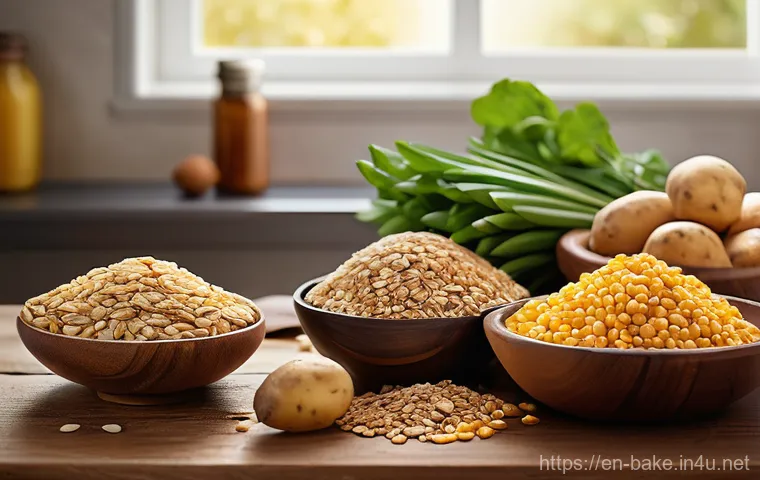
Oxidation is perhaps the biggest culprit behind stale and rancid snacks. Simply put, it’s a chemical reaction where oxygen molecules interact with the fats and oils present in many snacks.
Think of it like rust forming on metal, but for your food! This reaction breaks down the fats, creating compounds that lead to those unpleasant, off-flavors and smells we associate with staleness.
I’ve tasted nuts that have gone rancid, and let me tell you, it’s a distinct and not-at-all-pleasant experience – a bitter, metallic taste that ruins the whole batch.
This is why packaging that minimizes oxygen exposure, like vacuum-sealed bags or nitrogen-flushed containers, is so incredibly effective. It’s literally fighting chemistry to keep your snacks fresh.
Avoiding air exposure after opening is paramount if you want to keep that delightful crunch and flavor intact.
Moisture, Enzymes, and Microbes
Beyond oxidation, moisture is another major freshness foe. Humidity can turn crispy crackers into chewy disappointments and make crunchy cereals soggy.
It can also activate enzymes naturally present in some ingredients, which can further break down textures and flavors. I’ve learned the hard way that leaving something like an open bag of granola on a humid summer day is a recipe for disaster.
Then there are the invisible villains: microbes. While not always the primary cause of staleness in dry snacks, bacteria, yeasts, and molds can certainly contribute to spoilage, especially if there’s any moisture involved.
This is why proper storage in a cool, dry place is so crucial. It slows down these biological processes, giving your snacks a fighting chance to stay delicious for longer.
It’s a whole ecosystem of factors working against your snack, but with the right knowledge, you can win the battle.
DIY Freshness Checks: How to Spot a Stale Snack
Okay, so we’ve talked a lot about what makes snacks fresh and why they go stale, but how do *you*, the everyday snack enthusiast, actually tell if a snack is still good to go?
Because let’s be real, sometimes those “best by” dates are just a suggestion, and sometimes a snack can be off even before that date if it wasn’t stored properly.
Over the years, I’ve developed a few tried-and-true methods – a sort of DIY freshness inspection kit – that relies heavily on our own senses. Trust me, your eyes, nose, and even your ears are your best tools when it comes to assessing snack quality.
It’s a skill I’ve honed through countless snacking adventures, and it’s saved me from many a disappointing bite!
The Visual Inspection: What Your Eyes Can Tell You
First things first: give your snack a good look. Your eyes are your initial line of defense. Are the chips still vibrant in color, or do they look dull and faded?
For something like nuts, are they plump and uniformly colored, or do they appear shriveled or discolored? I always check for any signs of mold, which can sometimes appear as fuzzy spots, even on things you wouldn’t expect.
If a cracker looks unusually greasy on the surface, or if there’s any clumping in something that should be free-flowing like granola, those are red flags.
Sometimes, even the packaging can give clues; a puffed-up bag might indicate gas production from spoilage, while a deflated one might suggest a broken seal and air exposure.
Your eyes are powerful detectors, so use them!
The Sniff Test: Trust Your Nose
This is, hands down, one of my most reliable methods. Our sense of smell is incredibly sensitive and can detect subtle changes that indicate spoilage long before taste.
For snacks, a fresh aroma is key. Chips should smell like their intended flavor, nuts should have an earthy, pleasant scent, and cookies should smell sweet and baked.
If you detect any sourness, bitterness, or a chemical, paint-like smell (often indicative of rancid oils), it’s probably best to toss it. I’ve personally encountered plenty of nuts that looked fine but had a distinctly “off” smell – a clear sign of rancidity setting in.
Don’t be shy; take a good, deep sniff. If it doesn’t smell right, it probably isn’t right for your taste buds.
The Texture and Taste Test: The Final Verdict
If a snack passes the visual and sniff tests, then it’s time for the texture and, finally, a small taste test. For crunchy snacks like chips or crackers, the sound it makes when you break or bite into it can tell you a lot.
Is it a satisfying snap or a sad, soft bend? Stale chips lose their crispness and become rubbery, while stale cookies might turn rock-hard or crumbly.
For something like gummy candies, they should be soft and pliable, not overly stiff or sticky. If everything still feels good, take a tiny bite. Is the flavor what you expect?
Is it bright and full, or dull and muted? Any off-flavors – a metallic tang, an unpleasant bitterness, or just a general lack of zest – are your final indicators.
Trust your gut; if it doesn’t taste good, it’s not worth eating.
Smart Snacking Habits: Keeping Your Treats Top-Tier
Okay, we’ve covered a lot about the science, the storage, and the tell-tale signs of freshness. But what about putting it all into practice in your everyday life?
Because honestly, for me, the goal isn’t just to *understand* freshness; it’s to *experience* it consistently. It’s about developing smart habits that ensure every snack break is a moment of pure, unadulterated joy, not a gamble with staleness.
Over my many years as a dedicated snack enthusiast, I’ve cultivated a few key strategies that have truly elevated my snacking game, making sure my treats are always top-tier.
These aren’t complex rules; they’re simple adjustments that make a huge difference in the long run.
Mindful Purchasing: Don’t Overbuy
This might sound counterintuitive for a snack lover, but one of the best ways to ensure freshness is not to overbuy. I know, I know, those bulk deals are tempting, and sometimes you just want a huge stash of your favorite treats.
But realistically, how quickly are you going to consume that giant bag of pretzels or that family-sized box of cookies? I’ve learned that buying smaller quantities more frequently means that everything I have on hand is generally fresher.
It reduces the chances of items sitting around long enough to go stale, even with the best storage practices. It’s all about matching your consumption rate to your purchasing habits.
Plus, it gives you an excuse to visit the snack aisle more often, which is always a win in my book!
First In, First Out (FIFO) for Your Pantry
This is a principle often used in retail, but it’s incredibly effective for your home pantry too: First In, First Out. When you buy new snacks, make sure to place them behind the older ones of the same type.
This way, you’re always reaching for the items that have been in your pantry the longest first, ensuring they get consumed before their freshness diminishes.
I’ve even started putting little sticky notes with the purchase date on my snack containers, especially for bulk items. It sounds a bit nerdy, but it’s a simple visual reminder that helps me rotate my stock efficiently.
It prevents those sad moments of discovering a forgotten, long-expired treasure lurking in the back of the cupboard. This little habit has drastically cut down on my food waste and ensured more fresh snacking.
Repurpose and Rejuvenate: Giving Stale Snacks a Second Life
Even with the best intentions, sometimes a snack goes a little stale. But don’t despair! Not all hope is lost.
I’ve discovered that many slightly stale items can be wonderfully repurposed or even rejuvenated. For instance, slightly stale chips can be crushed and used as a crunchy topping for casseroles or salads.
Slightly dry cookies can be crumbled into ice cream or used as a base for cheesecake. And soft, stale bread or crackers? Transform them into delicious breadcrumbs or croutons by toasting them in the oven.
Even a slightly less-crisp cracker can sometimes be revived with a quick stint in a warm oven for a few minutes. It’s about being creative and resourceful, turning what seems like a snacking setback into a culinary opportunity.
It’s a great way to respect your food and enjoy it to the very last crumb!
Wrapping Things Up
Well, friends, we’ve journeyed quite a bit through the wonderful, sometimes confusing, world of snack freshness! It’s been a fascinating deep dive, hasn’t it? From the silent promise of quality ingredients at the farm to the tricky dance of oxidation in your pantry, every step plays a part in that perfect crunch or creamy bite. What I’ve really taken away from all this – and what I truly hope you do too – is that being a mindful snack consumer isn’t just about reading labels; it’s about engaging all your senses, understanding the journey your food takes, and empowering yourself with a little bit of science. It’s about elevating every snack moment into a truly delightful experience, and isn’t that what life’s little pleasures are all about?
Handy Insights for Your Snacking Journey
Here are some quick pointers I’ve picked up along the way that I think are super helpful for keeping your snacks at their absolute best. Trust me, these small habits make a huge difference!
1. Date Decoder: Remember, “Best By” is usually about quality, meaning your snack might still be perfectly fine to eat, just maybe not at its peak crispness. “Use By,” however, especially for perishable items, is more about safety – always err on the side of caution there. Recent movements, like new legislation in California effective July 2026, aim to standardize these labels to “Best if used by” for quality and “Use by” for safety, which I think is a fantastic step to reduce confusion and food waste!
2. Airtight is Always Right: For opened bags of chips, crackers, or cereal, investing in good quality, airtight containers is a total game-changer. Oxygen is the enemy of crispness! I personally love glass jars with rubber seals for my pantry staples; they keep things fresh and look great too.
3. Cool, Dark, and Dry is Key: Most snacks prefer a consistent environment away from direct sunlight, heat, and humidity. These elements can accelerate spoilage, making things go stale or even rancid much faster than you’d expect. Think of your pantry as a cool, dry cave for your treasures.
4. Trust Your Senses First: While dates offer guidance, your eyes, nose, and even your ears (for that crunch!) are often the best indicators of a snack’s freshness. If something looks off, smells funky, or just doesn’t feel right, it’s usually a good idea to pass on it. This is a skill I’ve honed over years of passionate snacking.
5. Repurpose, Don’t Discard: Don’t be too quick to throw out slightly stale snacks! A little creativity can give them a second life. Stale chips can become crunchy casserole toppings, and dry cookies can be crumbled into ice cream or used for pie crusts. It’s a wonderful way to minimize food waste and get a little inventive in the kitchen.
Key Takeaways for Peak Snacking Pleasure
Ultimately, ensuring your snacks are always at their best boils down to a few core principles, and honestly, they’ve become second nature to me as a true snack enthusiast. It begins with recognizing that the journey of freshness starts with the quality of the ingredients themselves. Then, it’s about becoming fluent in the language of food labels, understanding that ‘best by’ doesn’t always mean ‘bad by,’ but that ‘use by’ demands more attention. Crucially, mastering the art of proper storage—think airtight seals, cool, dark spaces, and avoiding temperature extremes—is your shield against spoilage. I’ve found that adopting smart shopping habits, like not overbuying and practicing a ‘first in, first out’ rotation in your pantry, drastically cuts down on waste and ensures you’re always reaching for something delicious. By combining this knowledge with a mindful approach and trusting your own senses, every snack break truly becomes a moment to savor, fulfilling that craving with the absolute best a treat can offer. It’s about transforming potential disappointment into consistent delight, and that’s a snack philosophy I wholeheartedly embrace.
Frequently Asked Questions (FAQ) 📖
Q: How can I tell if my favorite snacks are truly fresh, beyond just checking the expiration date?
A: You know, it’s funny how we rely so heavily on those dates, but they’re often more about “best quality” than actual safety! From my experience, your senses are your best friends here.
First, give it a sniff. Does that bag of chips smell a little off, or that cookie have a slightly sour note? If something smells wrong, trust your nose.
Then, look closely. Are there any strange discolorations, mold, or a slimy texture? These are big red flags.
Finally, feel and taste (if it passes the first two). Chips should be crisp, cookies should be chewy or crunchy, depending on their type. If a crisp snack is suddenly chewy, or a soft snack is hard and dry, it’s probably past its prime.
I’ve found that “best by” or “sell by” dates are more like suggestions for peak flavor, not a hard stop on edibility. Use those senses!
Q: What’s the secret to properly storing snacks to keep them tasting their best for as long as possible?
A: This is a question I get all the time, and it’s simpler than you might think! The biggest enemies of snack freshness are moisture and air. I’ve learned that airtight containers or resealable bags are absolute game-changers for pretty much everything, from nuts and granola to cookies and crackers.
Glass containers are fantastic because they don’t absorb odors, keeping flavors pure. Beyond that, a cool, dry, and dark place is your pantry’s best friend, protecting snacks from humidity and light.
For some items, like certain baked goods or even opened bags of chips in really humid climates, I’ve found that refrigeration or even freezing can work wonders.
Just make sure they’re sealed tight to prevent them from absorbing other fridge smells. For things I buy in bulk, I even vacuum-seal them – it’s a bit extra, but wow, does it lock in that fresh flavor!
Q: Do snacks made with “natural” or “clean” ingredients always stay fresh longer than those with more preservatives?
A: This is a fantastic question that gets at the heart of what many of us are looking for in our food today! It’s a bit of a balancing act, honestly. On one hand, snacks with natural and clean ingredients are definitely a win for your health, often having more vitamins and minerals and fewer artificial additives.
From my experience, you can really taste the difference when ingredients are truly fresh and natural. However, here’s the kicker: typically, snacks made with fewer artificial preservatives tend to have a shorter shelf life because natural ingredients are more prone to spoilage.
Think about a fresh apple versus apple sauce – one lasts longer! Brands are constantly innovating with natural preservation methods, like plant extracts or fermentation-derived solutions, to extend freshness without compromising on that “clean label” appeal.
So, while “natural” doesn’t always equal “longer-lasting” in the traditional sense, it definitely means a higher quality, often more delicious, and certainly healthier snack experience that’s worth enjoying sooner!